
Pruning
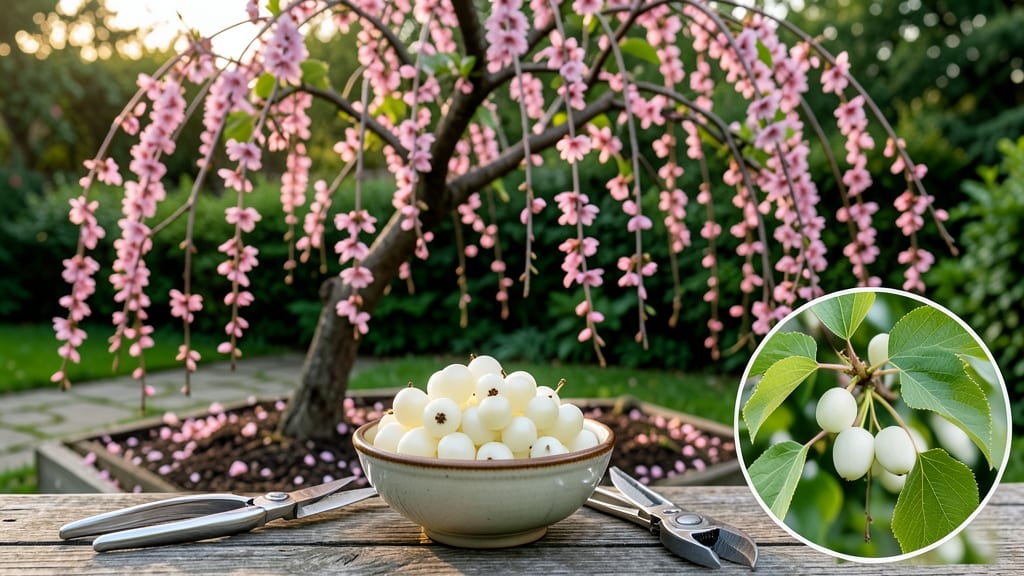
Weeping cherry tree leaves are not edible and contain cyanogenic glycosides, which release cyanide when ingested, posing serious health risks. Even small amounts may cause nausea, dizziness, or worse. Avoid consuming any part of the tree, including fruit, leaves, or bark, unless verified as non-toxic by a horticultural expert.
Weeping cherry trees (Prunus serrulata varieties) belong to the same family as bitter almonds, which naturally contain these toxic compounds. 🌿 The danger lies in how these glycosides break down into hydrogen cyanide when chewed or processed, even in small quantities.
Symptoms can escalate from mild stomach upset to respiratory distress within hours, making accidental ingestion particularly risky for pets and children.
If you're looking to grow edible cherries, consider sweet cherry varieties like Bing or Rainier, which are safe once fully ripened. These produce fruit that's perfect for pies, jams, or fresh eating—just be sure to remove pits, as they also contain trace amounts of cyanogenic compounds.
Always consult a local nursery for verified non-toxic alternatives before planting.
💡 In This Article
- Toxic Compounds in Weeping Cherry Tree Leaves
- Safe Edible Cherry Tree Alternatives for Gardens
Toxic compounds in weeping cherry tree leaves
The weeping cherry tree (Prunus serrulata) contains amygdalin, a cyanogenic glycoside that converts to hydrogen cyanide when plant cells are damaged—like chewing leaves or crushing stems. This chemical reaction occurs through the enzyme beta-glucosidase, which splits amygdalin into benzaldehyde (responsible for bitter almond smell) and cyanide.
A single leaf contains about 0.01-0.05 milligrams of cyanide, but cumulative exposure from multiple leaves can quickly become dangerous.
Symptoms of cyanide poisoning appear within 15-60 minutes after ingestion and include headache, rapid breathing, and dizziness. Severe cases may lead to seizures or unconsciousness. 🌿 The bark and pits also contain these compounds, though in higher concentrations than leaves.
Even animals like goats or deer avoid these trees in nature due to their bitter taste—a natural defense mechanism that humans shouldn't rely on for safety.
Medical treatment involves immediate administration of amyl nitrite or sodium nitrite to counteract cyanide's effects on oxygen transport. Supportive care in a hospital setting is critical, as delayed treatment can be fatal.
Children under 5 years old are particularly vulnerable due to their lower body weight and higher metabolic rate, which accelerates toxin absorption.
What makes this especially concerning is that weeping cherry trees are often planted in urban landscapes and parks, where accidental ingestion is more likely. The tree's ornamental appeal—with its delicate pink blossoms and graceful branches—masks its hidden danger.
Unlike true almonds (which require processing to release cyanide), weeping cherry leaves pose a risk even when fresh or lightly cooked.
For comparison, 10-20 bitter almonds (about 0.5-1 gram) contain a lethal dose of cyanide for an adult. Weeping cherry leaves contain less per gram, but their accessibility makes them a greater hazard.
Always verify plant identification before consuming any part of an unknown tree, especially in areas with ornamental cherries.
If you suspect poisoning, call emergency services immediately. Symptoms can progress rapidly, so don't wait for severe signs to appear. 🚨