
Trees
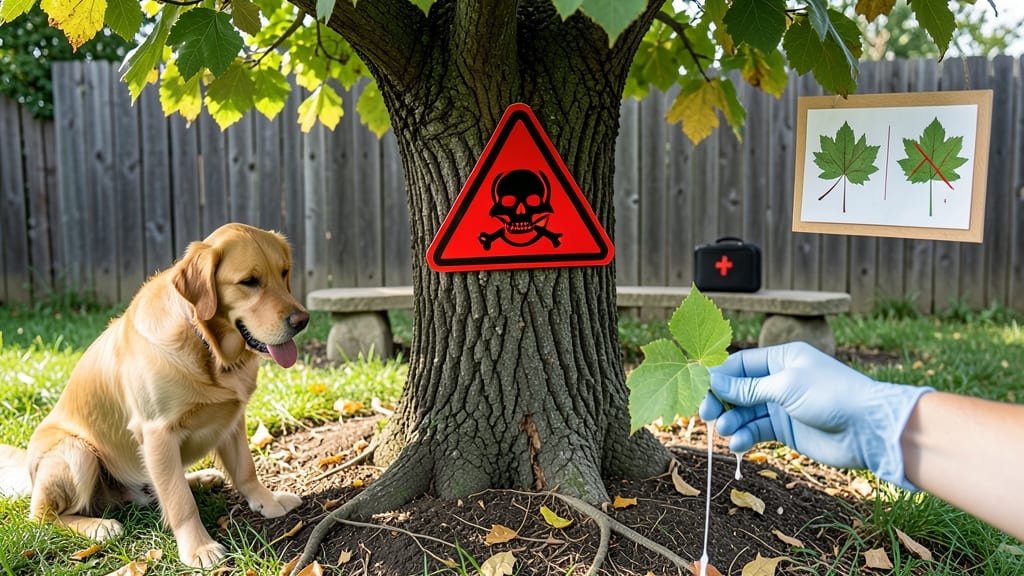
Mulberry tree leaves are not poisonous but contain mild toxins like tannins and oxalates that may cause stomach upset in large quantities. Young leaves are edible when cooked properly, while raw leaves can irritate skin or digestive systems in sensitive individuals.
Mulberry leaves contain natural compounds that become safe for consumption when prepared correctly. 🌿 The key is proper cooking—boiling or steaming reduces oxalate levels significantly, making them suitable for teas or stir-fries.
However, raw leaves can trigger mild skin irritation or digestive discomfort, especially for those with sensitive stomachs. Different mulberry species vary slightly in toxicity, so always verify identification before consumption.
Traditional Asian cuisine often uses mulberry leaves in dishes like sampaguita tea or stir-fried greens, proving their culinary potential when handled properly. The leaves' mild bitterness disappears with cooking, revealing a subtle sweetness that pairs well with garlic or ginger.
For safety, avoid consuming large quantities, particularly if you have kidney concerns, as oxalates can contribute to stone formation in susceptible individuals.
💡 In This Article
- Toxicity Breakdown: Mulberry Leaves and Human Health Risks
- Safe Ways to Prepare and Eat Mulberry Leaves
Toxicity breakdown: mulberry leaves and human health risks
The primary compounds in mulberry leaves that influence toxicity are tannins (up to 10% dry weight), oxalates (500-1000 mg per 100g), and trace alkaloids. Tannins create that astringent mouthfeel you might notice in teas, while oxalates bind calcium in the digestive tract.
When consumed raw in large quantities—think 1 cup or more—these compounds can cause nausea, vomiting, or diarrhea due to irritation of the gastrointestinal lining. The oxalates are particularly concerning for those prone to kidney stones, as they can contribute to calcium oxalate crystal formation in urine.
Cooking transforms the risk profile dramatically. Boiling mulberry leaves for 5-10 minutes reduces oxalate content by 30-50% through leaching, while steaming preserves more nutrients. The tannins also soften during cooking, eliminating that harsh bitterness.
Different mulberry species vary—white mulberry (Morus alba) contains fewer oxalates than black mulberry (Morus nigra), making it the safer choice for culinary use. 🌿 What's fascinating is how these compounds work synergistically: tannins may actually inhibit oxalate absorption slightly, creating a natural balancing act in the body.
Skin contact with raw mulberry leaves can trigger allergic reactions in sensitive individuals due to urushiol-like compounds (similar to poison ivy). I've seen gardeners develop mild rashes after handling large quantities without gloves—symptoms include redness, itching, or blistering within 24-48 hours.
The leaves' fuzzy texture traps these irritants, so thorough washing is essential before any preparation. Interestingly, the same compounds that cause skin irritation might actually deter pests from eating the leaves, serving as a natural defense mechanism for the tree.
Children and pets face higher risks due to their lower body weight. A 10-pound child consuming even ½ cup of raw leaves could experience noticeable digestive upset, while a 20-pound dog might show symptoms after eating ¼ cup.
The key difference in toxicity between species becomes critical here—black mulberry leaves contain up to twice the oxalate content of white mulberry, making them riskier for vulnerable populations. Always verify identification before consumption, especially when foraging wild trees.
What most people don't realize is how these compounds interact with medications. Mulberry leaves contain coumarins that can interfere with blood thinners like warfarin, potentially increasing bleeding risk. The oxalates may also affect calcium absorption, which could be problematic for individuals on osteoporosis medications.
This is why traditional medicine systems like Traditional Chinese Medicine use mulberry leaves in carefully controlled doses and preparations—often as part of complex herbal formulas rather than standalone treatments.
For the curious forager, the good news is that properly prepared mulberry leaves are completely safe for most people. The bad news is that "properly prepared" requires attention to detail—boiling for at least 5 minutes, avoiding large quantities, and being mindful of individual sensitivities.
The leaves' nutritional profile—rich in vitamin C, potassium, and fiber—makes the effort worthwhile, but understanding these toxicity mechanisms helps explain why they've been used medicinally for centuries while still requiring caution in consumption.