
Pruning
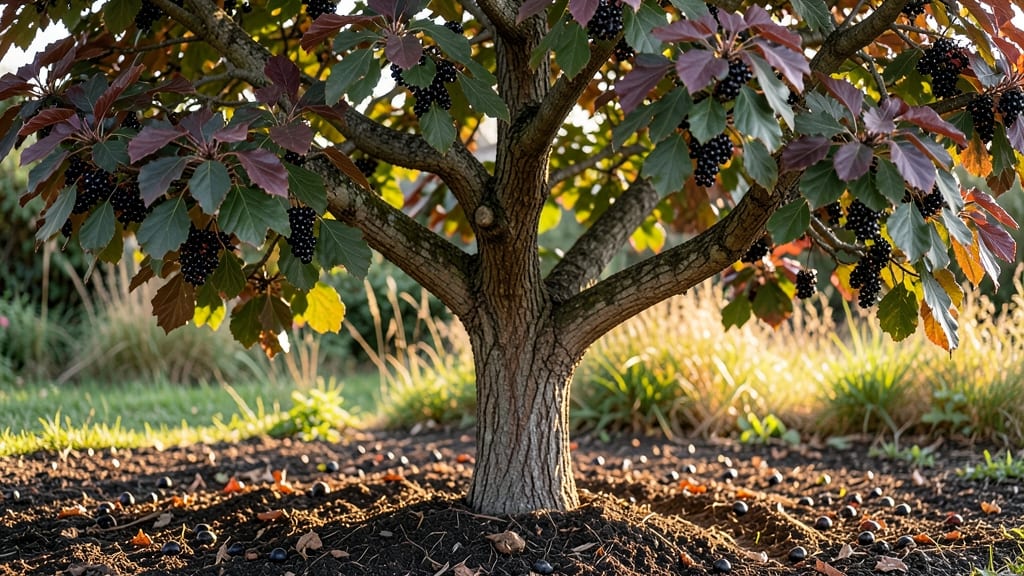
A mature mulberry tree 🌳 can reach towering heights of 40 to 60 feet—but its true potential only unfolds when you master the art of pruning.
Picture this: a tree laden with sweet, juicy berries one season, then struggling with sparse fruit the next. The difference? Pruning. Without the right cuts at the right time, your mulberry’s growth can become unruly, its fruit production dwindles, and pests or disease creep in.
This guide cuts through the confusion, showing you exactly how to prune for healthier branches, better fruit, and a tree that thrives for decades. Whether you’re dealing with overgrowth, dead wood, or just want to boost your harvest, these techniques will keep your mulberry in peak shape year-round.
From seasonal timing to tool choices, we’ll cover everything you need to transform your mulberry tree from a wild tangle into a productive, picturesque centerpiece of your landscape.
When and how to prune a mature mulberry tree for maximum fruit production
A mature mulberry tree thrives when pruned strategically—especially if you want to boost fruit production. The key lies in timing and technique. Prune at the right season, and you'll encourage stronger growth and heavier harvests.
Skip it, and your tree risks becoming overcrowded, disease-prone, or structurally weak. Let's dive into the science behind mulberry tree pruning to keep your tree productive for decades.
Mulberries produce fruit on new wood, meaning last year's growth bears this year's berries. This makes pruning timing critical. Cut too late, and you remove potential fruiting branches. Cut too early, and you stress the tree before it's ready.
Balance is everything. We'll cover the exact seasonal schedule and step-by-step methods to maximize your harvest while maintaining tree health.
Step-by-Step Mulberry Tree Pruning Guide
- 1 Timing: Prune during late winter or early spring (just before buds swell) for dormant season pruning. Avoid pruning during fruiting season (late spring/early summer).
- 2 Tools: Use sharp bypass pruners for branches ½-inch thick or smaller. For thicker branches, use a pruning saw. Sterilize tools with rubbing alcohol to prevent disease.
- 3 Remove Dead/Diseased Wood: Cut out dead, diseased, or crossing branches first. Look for blackened bark, fungal spots, or branches rubbing against others.
- 4 Thin the Canopy: Remove 10-20% of branches to improve airflow. Focus on suckers (shoots at the base) and vertical growth to encourage a balanced shape.
- 5 Make Clean Cuts: Cut just outside the branch collar (the swollen area where the branch meets the trunk). Avoid leaving stubs, which invite rot.
- 6 Post-Pruning Care: Apply mulch around the base and water deeply. Monitor for new growth in spring—this indicates successful pruning.
Dormant season pruning (late winter/early spring) is your best bet for mulberry trees. This timing allows the tree to heal before the growing season kicks in. Focus on removing dead wood, crossing branches, and suckers to redirect energy toward fruit production.
Never prune during fruiting season—this removes potential fruit-bearing branches and stresses the tree.
If your tree is overgrown, spread pruning over 2-3 years to avoid shock. Remove no more than 25% of the canopy in a single year.
For younger trees, limit pruning to 10% of branches to encourage establishment. Always prioritize airflow and sunlight penetration to prevent fungal diseases like powdery mildew.
Use sharp, sterilized tools to make clean cuts. Dull pruners crush branches, creating ragged wounds that heal poorly. After pruning, seal larger cuts (over ½-inch thick) with pruning sealant to prevent disease entry. For smaller branches, let the tree's natural callus tissue form—no sealant needed.
Watch for water sprouts (fast-growing vertical shoots) after pruning. These steal energy from fruit production. Remove them immediately by cutting at the base. Similarly, suckers (shoots from the roots) should be pulled or cut to prevent competition with the main tree.
Regular monitoring keeps your mulberry tree focused on bearing fruit.
After pruning, your tree should show vigorous new growth by late spring. If growth is weak or sparse, your tree may need nutrient adjustment. Apply a balanced fertilizer (10-10-10) in early spring to support recovery.
Pair this with deep watering to encourage root development. Avoid heavy fertilization in fall—it promotes late-season growth that won't harden off before winter.
One common mistake is over-pruning, which reduces next year's fruit yield. Mulberries produce fruit on new wood, so aggressive cuts limit fruiting sites. Another error is pruning at the wrong angle, which can damage the branch collar.
Always cut just outside the collar to ensure proper healing. These small details make a big difference in long-term tree health and productivity.
For organic pruning, avoid chemical sealants. Instead, use natural wound dressings like bee's wax or clay-based products for larger cuts. These methods support the tree's natural healing processes while keeping your harvest chemical-free. Organic pruning also reduces the risk of pest infestations, as synthetic sealants can attract insects.
Finally, observe your tree's growth patterns each year. Adjust your pruning approach based on what you see. If fruit production declines, you may need to reduce pruning intensity or shift focus to removing older branches to encourage new growth. With the right techniques,
Common mulberry tree pruning mistakes that kill fruit yield (and how to fix them)
A mature mulberry tree thrives when pruned correctly, but common mistakes can drastically reduce fruit production. Many gardeners accidentally stress the tree by pruning at the wrong time, removing too many branches, or ignoring signs of disease.
These errors weaken the tree's structure and limit its ability to produce abundant, high-quality berries.
One of the biggest mistakes is pruning during the fruiting season. When you cut back branches while the tree is actively producing fruit, you remove energy sources that could have supported a larger harvest. This reduces fruit yield and can even stunt the tree's growth for the next season.
Another critical error is over-pruning, which removes more than 25% of the tree's foliage in a single session. This shocks the tree, making it vulnerable to pests, diseases, and poor fruit development.
Even well-intentioned gardeners sometimes remove too many branches to "open up" the canopy, only to see their harvest shrink.
⚠️ CALLOUT-WARNING: MISTAKES THAT DESTROY YOUR MULBERRY'S FRUIT YIELD
To fix these issues, start by pruning only in late winter or early spring, before buds swell but after the worst frost. This timing ensures the tree has time to recover and produce fruit without stress.
Use clean, sharp pruners to make smooth cuts just outside the branch collar—never leave stubs, which invite disease.
If you've already over-pruned, don't panic. Focus on restoring balance by leaving at least 60% of the tree's foliage intact. Apply a balanced fertilizer (10-10-10) in early spring to help the tree recover and support fruit production.
For diseased branches, prune them immediately and sterilize your tools with rubbing alcohol to prevent spread.
Finally, prioritize structural health over aesthetic pruning. Remove only dead, crossing, or diseased branches—never prune for "neatness" at the expense of fruit-bearing wood. A well-pruned mulberry tree can reward you with 30-50% more berries the following season if you follow these guidelines.
With the right approach, your mature mulberry tree can bounce back stronger than ever, producing a bountiful harvest year after year. 🌳✂️🍇