
Trees
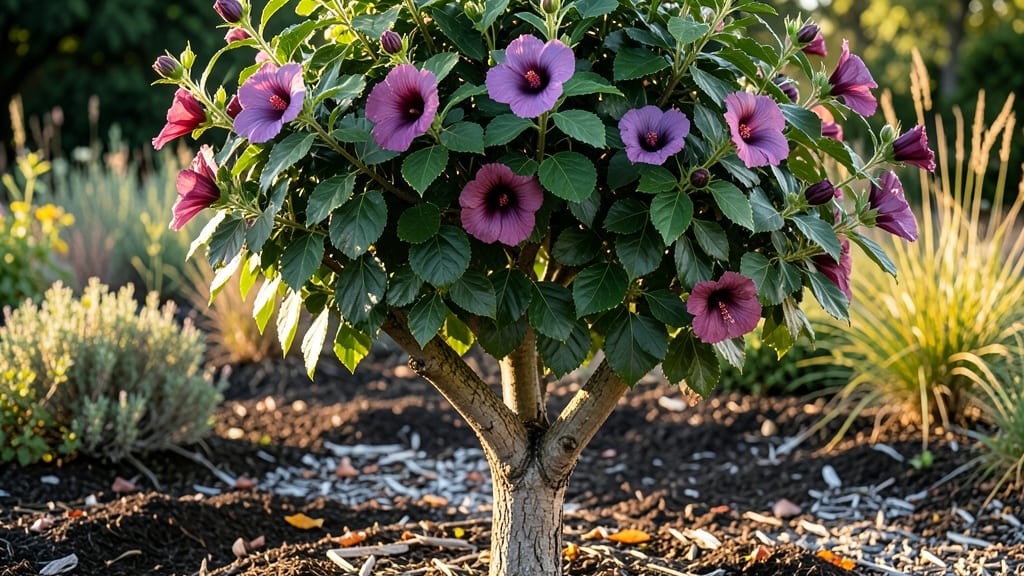
Your Rose of Sharon tree leaves shouldn't look like a crime scene—yellow, spotted, or crispy. 🌿 I've nursed back more than a few struggling bushes by identifying the real problem: water stress, pests, or fungal infections. The fix starts with knowing what you're actually looking at.
Start by checking leaf patterns: powdery white coating = mildew; tiny webs = spider mites; sticky residue = aphids. Prune affected branches immediately and water at the base—not overhead—to keep leaves dry. For mildew, a baking soda spray works wonders; for pests, neem oil is your secret weapon.
📚 In This Guide
- What you need
- Instructions
- Tips and common mistakes
- Wrapping up and next steps
What you need
- ● Rose of Sharon (Hibiscus syriacus) leaves: Fresh: 1–2 cups (packed), harvested from organic, pesticide-free trees (avoid roadside plants).
- ● Dried: 1–2 tablespoons (or ½ cup loose tea blend if pre-mixed).
- ● Hot water: 1 cup (8 oz / 240 mL) per serving, freshly boiled (200–212°F / 93–100°C).
- ● Tea infuser or fine-mesh strainer: Metal or heat-safe mesh (3–4 inches wide) to prevent leaf bits in your tea.
- ● Tea pot or heat-resistant mug: Ceramic, glass, or stainless steel (avoid aluminum to prevent metallic taste).
- ○ Honey, lemon, or herbal sweeteners (optional but recommended): Local honey (1 tsp) for floral depth.
- ● Fresh lemon slices (½ lemon) for tangy brightness.
- ● Pruning shears: Sharp, sterilized pair for harvesting leaves (if using fresh).
- ● Paper towels or clean cloth: For wiping leaves if harvesting from dusty trees.
- ● Dehydrator or oven: For drying leaves at home (set to 175°F / 80°C for 2–4 hours if preserving).
- ○ Mortar and pestle: To crush dried leaves slightly for stronger flavor (optional).
- ● Essential oils (e.g., lavender or chamomile): 1–2 drops to enhance relaxation (add post-infusion).
- ● Storage container: Airtight glass jar for dried leaves (keep in a cool, dark place).
How to harvest and prepare Rose of Sharon leaves for herbal tea
Here's how I gather and process these fragrant leaves for calming infusions—no special tools needed.
🌿 Step 1: Identify and Harvest the Right Leaves
Grab a pair of clean scissors or sharp pruners and look for healthy, mature leaves on your Rose of Sharon tree. Focus on the younger, lighter green leaves—they hold the most delicate flavor. Avoid any leaves with brown spots or signs of disease, as these can make your tea bitter or unpleasant.
Harvest in the morning after the dew has dried but before the sun gets too intense. This timing ensures the leaves are at their freshest and most aromatic. I like to pick leaves from the mid-section of branches rather than the very top or bottom—these tend to be the most flavorful. Cut just above a leaf node to encourage new growth.
🌱 Step 2: Clean and Prepare the Leaves
Rinse the leaves under cool, running water to remove any dust, dirt, or insects. Gently shake them in a colander or strainer to remove excess water. Pat them dry with a clean kitchen towel or let them air-dry on a clean surface for about 10-15 minutes. This step is crucial—wet leaves can spoil faster and make your tea taste dull.
Once dry, spread the leaves out on a baking sheet lined with parchment paper. Place the sheet in a warm, dry spot away from direct sunlight. You’ll want to dry the leaves slowly to preserve their color and flavor. A dehydrator set to 95°F works well, but a sunny windowsill or a well-ventilated area will do just fine if you’re patient.
⏰ Step 3: Dry the Leaves Properly
Turn the leaves every 30-60 minutes to ensure even drying. They’re ready when they’re crisp and crumble slightly between your fingers, which usually takes about 2-4 days, depending on your drying method. If you’re using a dehydrator, check them after 4-6 hours—they’ll dry much faster.
Store the dried leaves in an airtight container, like a glass jar, away from light and moisture. A dark cupboard or pantry is ideal. Properly dried and stored leaves can keep their flavor for up to 6 months. When stored correctly, you’ll notice they retain their vibrant green hue and a subtle floral aroma—signs they’re still fresh and ready for steeping.
☀️ Step 4: Steep for a Soothing Infusion
To make your tea, place 1-2 teaspoons of dried leaves in a teapot or infuser. Pour 1 cup of hot water (just off the boil, around 200°F) over the leaves. Let them steep for 5-7 minutes—longer steeping can make the tea bitter, so don’t overdo it.
Strain the leaves and enjoy your tea plain or with a touch of honey if you prefer it sweeter. The infusion should have a mild, floral flavor with a hint of sweetness. If you’re new to herbal teas, start with a shorter steeping time—you can always add more leaves for a stronger flavor next time.
💧 Step 5: Store and Reuse Tea Leaves
After steeping, let the leaves cool completely before storing them back in your airtight container. You can reuse dried leaves for 2-3 more infusions, though each time the flavor will gradually fade. If you notice the leaves turning brown or developing a musty smell, it’s time to compost them and start fresh.
To keep your tea blend interesting, mix Rose of Sharon leaves with other herbs like chamomile or peppermint. This combo creates a relaxing tea perfect for winding down in the evening. Just remember, the key to great herbal tea is freshness—so always start with the best leaves you can find!
Tips & tricks for perfect Rose of Sharon herbal tea
These little details make all the difference when working with delicate floral leaves—trust me, I've learned this the hard way!
Harvesting Timing: The morning harvest window is your golden hour for flavor. I've found that leaves picked between 8 AM and 10 AM contain the highest concentration of essential oils, which is what gives your tea that lovely floral aroma. If you must harvest later in the day, do it in the shade to prevent the leaves from wilting too quickly before you can process them.
Drying Technique: When using a dehydrator at 95°F, place leaves in a single layer with space between them for proper airflow. If you're air-drying on a windowsill, position the tray where it gets gentle morning sun—too much direct sunlight can bleach the leaves and destroy some of their delicate compounds. The crisp texture you're aiming for should feel like dry, crisp lettuce leaves.
Storage Wisdom: Glass jars with airtight lids are your best friends for preserving flavor. I like to add a small piece of parchment paper between layers of leaves to prevent moisture buildup. Once sealed, store in your darkest cupboard—light exposure is the enemy of freshness. The vibrant green color is your quality indicator: if it starts fading to brownish, it's time for a fresh batch.
Steeping Secret: For that perfect 200°F water temperature, let your freshly boiled water sit for exactly 30 seconds before pouring. This brings it down to the ideal temperature without losing too much heat. And here's what nobody tells you—if your water tastes slightly metallic, it's from your pipes. Use filtered water for the best flavor, especially with delicate floral teas like this.
Pro Tips for Rose Of Sharon Tree Leaves
- These little details make all the difference when working with delicate floral leaves—trust me, I've learned this the hard way!
- Harvesting Timing: The morning harvest window is your golden hour for flavor.
- Drying Technique: When using a dehydrator at 95°F, place leaves in a single layer with space between them for proper airflow.
Frequently asked questions
Got questions about Rose of Sharon tree leaves? You’re not alone!
Here are some of the most common queries—and their answers—to help you make the most of this soothing herbal infusion.
Can I use fresh or dried Rose of Sharon leaves for tea?
Both work, but dried leaves are ideal for tea blends—they release flavor more evenly and last longer. If using fresh, crush them lightly to unlock essential oils, but avoid oversteeping (5–7 minutes max) to prevent bitterness. Pro tip: Air-dry fresh leaves in a cool, dark place for 3–5 days before storing in an airtight container.
How long does it take to grow enough leaves for tea?
Rose of Sharon trees mature in 2–3 years, but you can harvest small leaves as early as spring (after the first flush of growth). For consistent harvests, prune lightly in late winter to encourage new, tender leaves. Patience pays off! A well-established tree yields enough leaves for weekly tea batches.
What’s the best way to store Rose of Sharon leaves for tea?
Store dried leaves in glass jars or sealed bags away from light, heat, or moisture to preserve potency. Label with the date— they stay fresh for 6–12 months. For extra shelf life, add a bay leaf or cinnamon stick to deter pests. Avoid plastic; it traps humidity and spoils the flavor.
Are there any side effects or precautions when drinking Rose of Sharon tea?
Generally safe, but moderation is key. Avoid if pregnant, breastfeeding, or on blood thinners (it may interact with medications). Some report mild drowsiness— limit to 1–2 cups/day. Allergic reactions are rare but possible; do a patch test first by applying a leaf to your skin.
What’s a good substitute if I can’t find Rose of Sharon leaves?
Try hibiscus, chamomile, or elderflower for a similar floral-citrusy profile. For a caffeine-free alternative, blend with peppermint or lemon balm. Pro tip: Mix 1 part dried hibiscus with 2 parts Rose of Sharon leaves to mimic the original flavor.
Wrapping up and next steps
Exploring the soothing potential of Rose of Sharon tree leaves opens up a world of natural wellness—whether you're brewing a calming tea or discovering new herbal blends.
These vibrant leaves aren’t just beautiful; they’re packed with antioxidants, anti-inflammatory properties, and a gentle floral essence that can elevate your self-care routine. 🌿
Ready to dive deeper? Start by harvesting your own leaves (with care!) or experimenting with local foragers. Then, blend them into teas, tinctures, or even skincare—your creativity is the limit! Share your creations with fellow plant enthusiasts and enjoy the journey of turning nature’s gifts into everyday remedies. 💚