
Pests and Diseases
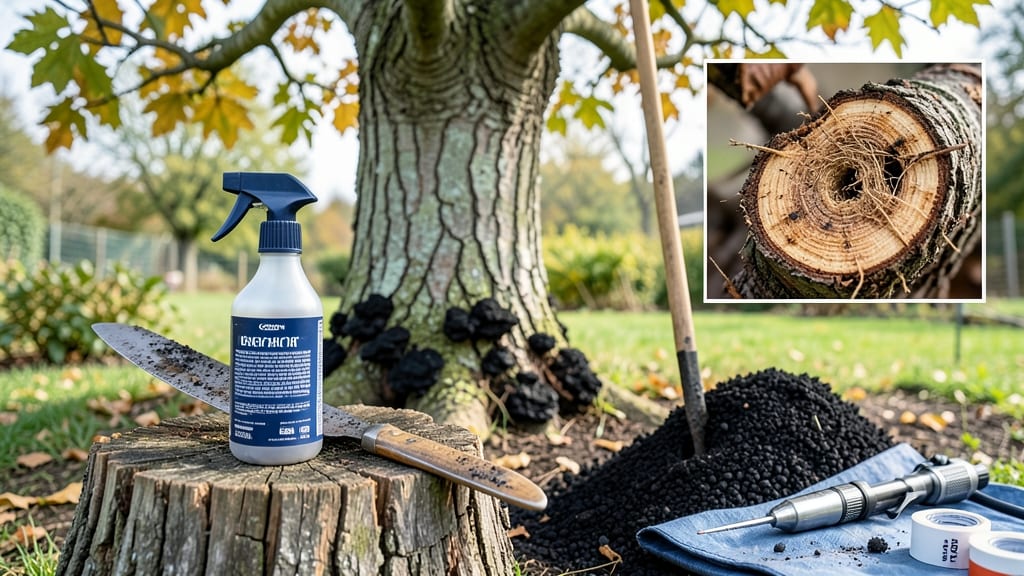
Your tree’s slow decline might be fungus or rot—and the good news is, tree fungus and rot treatment specialists can save it before it’s too late. 🌳 I’ve watched my own oak’s bark split and ooze, and what started as a small crack turned into a full-blown rot problem if I hadn’t acted fast.
The key? Spotting the signs early and knowing whether to DIY or call in reinforcements.
Most rot begins with wet soil or poor drainage, creating the perfect damp, dark conditions fungi love. You’ll see mushrooms sprouting at the base, soft or spongy wood, or bark that peels away like wet paper.
Chemical treatments like boron-based fungicides can help, but for deep rot, a specialist’s precision tools—like air injection systems—are often the only way to reach the heart of the problem without harming the tree.
Early intervention means pruning infected branches (sterilize your tools first!) and improving drainage with organic mulch or French drains. For severe cases, a specialist can inject fungicides directly into the trunk or recommend structural support to keep the tree standing.
The goal? Buying time until the tree can heal—or at least making its final years beautiful.
Don’t wait until the trunk hollows out—act when you see the first signs. Whether you’re tackling it yourself or hiring help, the right treatment can turn a dying tree into a thriving one again. Here’s how to decide what’s needed for your situation.
Root Causes Of Tree Decay
Fungal infections and rot in trees aren’t random acts of nature—they’re the result of specific conditions that create the perfect storm for pathogens to thrive. Understanding why these issues develop is the first step in preventing them or addressing them early.
Below, we break down the key factors that turn healthy trees into vulnerable hosts for destructive fungi.
Fungi thrive in damp environments, and excess moisture is the #1 catalyst for rot. When trees sit in soggy soil—whether from heavy rainfall, poor drainage, or irrigation overkill—their roots and trunk become waterlogged. This creates an ideal breeding ground for Armillaria (honey fungus), Phellinus (white rot), and other wood-decaying fungi.
Why it happens:
- Compacted or clay-heavy soil prevents water from draining, keeping roots saturated.
- Improper grading around the tree base causes water to pool, especially after storms.
- Overwatering (even in drought-prone areas) suffocates roots, making them susceptible to fungal invasion.
- Root barriers or underground obstructions (like broken pipes or concrete) disrupt natural water flow, trapping moisture.
💡 Pro Tip: If your tree sits in a low spot or near a downspout, install a French drain or swale to redirect water away from the root zone.
Trees have a natural defense system—tree bark and sap—but when they’re injured, fungi exploit those openings like a thief in the night. Even small wounds can become gateways for infection.
Common damage triggers:
- Mechanical injuries: Lawnmowers, string trimmers, or even improper pruning cuts that leave jagged edges.
- Animal activity: Squirrels gnawing bark, deer rubbing antlers, or woodpeckers pecking at weakened spots.
- Lightning strikes or hail: These create deep, hidden cracks where fungi like Ganoderma (reishi mushroom) can nest.
- Construction or utility work: Root damage from digging or buried cables can stress trees, making them fungus magnets.
🔥 Key Insight: Fungi often enter through wounds years before visible rot appears. That’s why a tree that looks fine today might suddenly decline tomorrow.
Stressed trees are like people with weakened immune systems—they’re far more likely to fall ill. Fungal infections often target trees already struggling from other issues.
Stressors that open the door to rot:
| Type of Stress | How It Weakens the Tree | Fungi That Exploit It |
|---|---|---|
| Drought | Roots shrink, reducing nutrient flow; bark cracks from dehydration. | Fomes fomentarius (tinder fungus) |
| Poor Soil Nutrition | Lack of nitrogen/phosphorus slows growth, making wood softer. | Heterobasidion annosum (annosum root rot) |
| Competition from Nearby Plants | Roots compete for water/nutrients, stunting growth. | Armillaria (spreads aggressively in stressed root systems) |
| Pest Infestations | Bark beetles, borers, or aphids create entry points for fungi. | Ophiostoma (often hitchhikes with beetles) |
✨ Prevention Tip: Mulch properly (2–4 inches deep, kept away from the trunk) to retain moisture and regulate soil temperature, reducing stress.
Fungi don’t just appear out of nowhere—they spread. Contaminated tools, infected mulch, or even windborne spores can introduce deadly pathogens to your trees.
How contamination happens:
- Infected pruning tools: Cutting a diseased branch and then using the same saw on a healthy tree transfers spores.
- Compost or mulch from unknown sources: Some "natural" mulch contains dormant fungal spores.
- Wind or water dispersal: Spores from nearby infected trees or even distant forests can land on wounds.
- Animal vectors: Birds, rodents, or even humans can carry fungal fragments on fur, shoes, or equipment.
🎯 Actionable Fix: Always sterilize pruning tools with 70% isopropyl alcohol between cuts, and avoid piling mulch directly against the trunk (leave a 6-inch gap).
By recognizing these underlying causes, you can proactively protect your trees—or catch rot early enough to save them. The next step? Learning how to identify the signs before it’s too late.
Fixing Fungal Tree Troubles
When your trees show signs of rot or fungal infections, acting quickly can save them. Below, we’ve broken down the most common causes and the practical, step-by-step solutions to restore your trees’ health—plus tips to keep them thriving long-term.
Cause: Overwatering, poor drainage, or compacted soil suffocates roots, creating the perfect breeding ground for fungi like Phytophthora or Armillaria.
How to Fix It: 🔥 🚰 Drainage First
- Dig a shallow trench around the tree’s base to improve water flow. Add gravel or sand (not soil) to create a drainage layer.
- If the area floods often, consider French drains or a swale (a shallow ditch) to redirect water away.
🍳 🌿 Aerate the Soil
- Use a manual aerator or a garden fork to poke holes in compacted soil around the roots. This lets oxygen reach the roots and discourages fungal growth.
- Mix in compost or organic matter (like coconut coir) to improve soil structure.
👨🍳 🌡️ Fungal Treatment
- Apply a copper-based fungicide (like Bordeaux mixture) or hydrogen peroxide (3%) to the soil to kill existing fungi.
- For severe cases, a tree injection treatment with systemic fungicides (like propiconazole) may be needed—best done by a specialist.
💡 🌱 Pro Tip: Mulch 3–4 inches deep (but keep it 6 inches away from the trunk) to regulate moisture without smothering roots.
Cause: Wounds from storms, pruning cuts, or bark injuries invite fungi like Fomes funosus (shelf fungus) or Phellinus weirii to colonize the tree’s core.
How to Fix It: 🔪 🌳 Prune Strategically
- Remove dead, diseased, or crossing branches with sterilized tools (wipe blades with rubbing alcohol between cuts).
- Make cuts just outside the branch collar (the swollen area where the branch meets the trunk) to prevent further damage.
⏰ 🛡️ Seal Wounds (When Needed)
- For small wounds (under 2 inches), let the tree seal itself—don’t paint it.
- For larger wounds, apply a tree wound dressing (like Tanglefoot Tree Wound Pruning Sealer) to slow fungal entry.
💡 🌡️ Prevention is Key
- Avoid topping trees (cutting back to a stub)—this creates perfect fungal entry points.
- Inspect trees annually for cracks, oozing sap, or mushroom growth at the base (a red flag for heart rot).
Cause: Fungi like Armillaria (honey mushroom) or Nectria thrive in wet, damaged bark, causing cankers or peeling.
How to Fix It: 🍳 🌿 Clean Up Debris
- Remove fallen leaves, bark, or wood chips near the tree—these harbor spores.
- Sterilize pruning tools after each cut to prevent spreading spores.
👨🍳 🛡️ Apply Fungicidal Sprays
- Use a contact fungicide (like myclobutanil) on infected bark, following label instructions.
- For Armillaria, copper fungicides or phosphite-based treatments (like Potassium Phosphite) can help.
💡 ✨ Boost Tree Health
- Fertilize with slow-release, organic options (like fish emulsion or compost tea) to strengthen the tree’s defenses.
- Water deeply but infrequently—fungi love soggy bark.
Cause: Fungi like Valsa or Leucostoma create sunken, oozing sores (cankers) that girdle branches or trunks.
How to Fix It: 🔥 🔪 Prune Infected Branches
- Cut at least 6 inches below the canker (healthy tissue) using sterilized tools.
- Burn or dispose of infected wood (don’t compost it!).
🍳 🌡️ Treat with Systemic Fungicides
- For persistent cankers, a tree injection with propiconazole or tebuconazole can help.
- Bacterial cankers? Use copper-based sprays (like Copper Sulfate).
💡 🌱 Strengthen the Tree
- Improve air circulation by thinning dense foliage.
- Avoid wounding bark during pruning—smooth cuts heal better.
| Do This ✅ | Avoid This ❌ |
|---|---|
| Water in the morning (less humidity = fewer spores) | Overwatering (fungi love wet conditions) |
| Mulch properly (3–4” deep, 6” from trunk) | Piling mulch against the trunk (causes rot) |
| Prune in dry weather (reduces fungal spread) | Pruning when branches are wet |
| Inspect trees yearly (catch issues early) | Ignoring mushroom growth at the base |
| Use resistant tree species (e.g., oaks over willows) | Planting susceptible trees in soggy soil |
🚨 When to Call a Specialist: If your tree shows large mushrooms at the base, extensive oozing cankers, or sudden leaf drop, it may need professional intervention—like fungicide injections, structural cabling, or bracing to prevent collapse.
A tree fungus and rot treatment specialist can assess whether your tree is salvageable or if removal is the safest option.
Frequently asked questions
How do I know if my tree has fungal rot instead of just normal aging?
Look for mushrooms growing at the base, bark that peels away like wet paper, or soft, spongy wood when pressed. Fungal rot often creates hollow spots inside the trunk—tap it with a hammer: a dull thud means decay. Normal aging shows cracks or rough bark without these signs.
Can I save a tree with heart rot, or should I remove it?
It depends on the severity. If the rot is limited to small areas and the tree remains structurally stable, a specialist can inject fungicides or install cabling/bracing to support weak branches. But if the trunk is hollow or mushrooms sprout everywhere, removal is safer to prevent falling hazards.
What’s the fastest way to stop fungal spread between trees?
Sterilize tools with 70% isopropyl alcohol between cuts, remove infected branches immediately, and apply copper fungicide to wounds. For severe cases, a specialist can inject systemic fungicides directly into the trunk to halt underground spread.
Are there natural remedies for tree fungus, or do I always need chemicals?
Natural options like neem oil or baking soda spray (1 tbsp baking soda + 1 quart water) can help mild cases, but they’re not as effective as copper-based fungicides for deep rot. For stubborn fungi like Armillaria, professional-grade treatments are usually necessary.
How much does a professional tree rot treatment cost?
Costs vary by tree size and rot severity: $200–$500 for fungicide injections, $500–$1,500 for structural support, and $1,000+ for emergency removals. A specialist’s assessment first determines if treatment is viable or if removal is safer.