
Pests
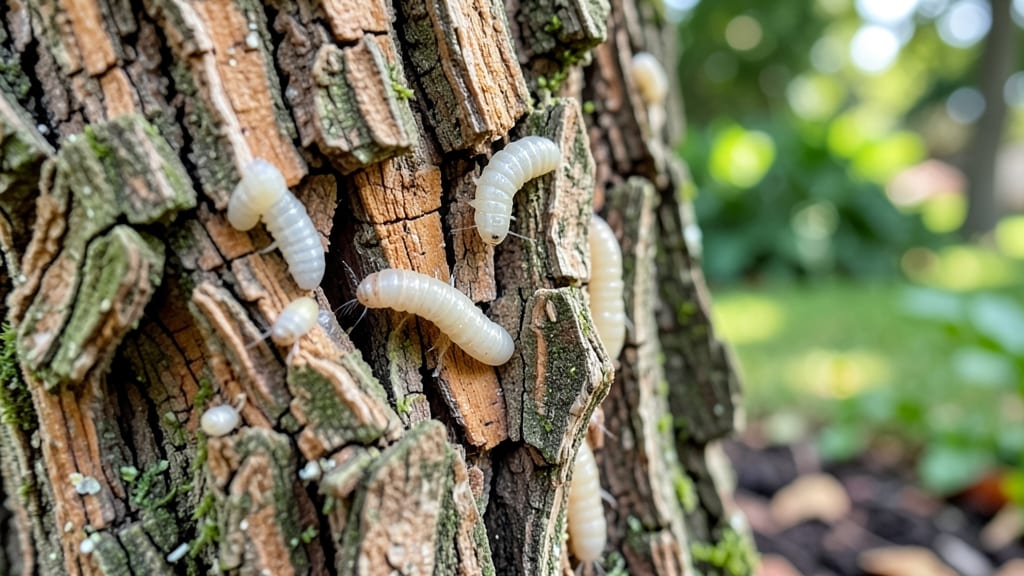
Finding little white worms tunneling through your tree bark? Those are likely wood-boring larvae or bark beetle grubs—silent destroyers that can weaken or even kill trees if left unchecked. ✨ I’ve battled these pests in my own yard, and what I learned changed how I protect my trees forever.
These tiny invaders start as eggs laid under bark cracks, then hatch into larvae that chew through cambium—the tree’s lifeline. Heavy infestations cause wilting, dieback, or even tree death, but the good news? You can stop them naturally with targeted treatments. The key is acting fast before damage spreads.
By the end of this guide, you’ll know exactly how to identify the pests, remove them safely, and reinforce your tree’s defenses. I’ll share my go-to methods—from manual removal to organic sprays—that have saved my trees from severe harm without harsh chemicals.
Whether you’re dealing with fruit trees, shade trees, or even houseplants, these steps work. Let’s get your trees back to healthy growth and keep those pests from returning for good.
Root Causes of Bark Invaders
Understanding why these tiny white worms appear in tree bark starts with recognizing their ecological roles—and the conditions that turn your trees into their buffet. While some may seem harmless, others can signal deeper issues. Let’s break down the science behind their presence.
Some "worms" aren’t pests at all—they’re part of a tree’s natural ecosystem. Wood-boring beetle larvae (like those of the two-spotted lady beetle or sawyer beetles) or moth caterpillars (such as gypsy moth larvae) may tunnel into bark, but they’re often a sign of a healthy, decaying wood cycle.
These creatures help break down dead or weakened wood, recycling nutrients back into the soil.
Key trigger:
- 🌳 Stressed or dying trees (from drought, disease, or poor soil) attract these natural decomposers.
- 🌡️ Warm, humid climates accelerate larval activity, especially in spring and fall.
Pro tip: 💡 If the worms are small, white, and legless (like maggots), they’re likely fly larvae—harmless unless they’re swarming in large numbers.
When the worms are segmented, fuzzy, or leave frass (sawdust-like droppings), they’re often parasitic larvae—and that’s a red flag. The most common culprits include:
| Pest | Signs of Infestation | Why It Happens |
|---|---|---|
| Woodworm Larvae | Tiny holes in bark, frass piles | Adult beetles lay eggs in cracks; larvae bore into sapwood to feed. |
| Sirex Woodwasps | Sawdust tunnels, weakened branches | Females inject eggs + symbiotic fungi into trees, killing them over time. |
| Carpenter Ants | Shredded wood, winged swarms near bark | Colonies nest in moist, rotting wood, tunneling to expand their habitat. |
Key trigger:
- 🚰 Moisture damage (from leaks, poor drainage, or overwatering) creates ideal breeding grounds.
- 🌪️ Storm or physical injury to bark exposes fresh wood, inviting egg-laying adults.
Warning: 🚨 If you see adult beetles or wasps near the tree, act fast—their larvae can kill a tree in 1–3 years.
Some worms thrive in fungus-infected wood. For example:
- Ambrosia beetles (tiny, dark-winged beetles) farm fungus inside tree tunnels, fermenting it into a food source for their larvae.
- Heart rot fungi (like Fomes fomentarius) soften wood, making it easier for larvae to burrow.
Key trigger:
- 🌧️ Prolonged wet conditions (e.g., root rot from poor drainage) weaken structural integrity.
- 🪓 Old wounds or dead branches provide entry points for fungal spores and egg-laying pests.
Pro tip: 🔍 Check for mushrooms at the tree’s base—a classic sign of fungal decay. Prune dead branches 6+ inches back to prevent reinfestation.
Sometimes, the problem isn’t natural—it’s man-made.
Poor tree care can turn a healthy oak into a pest magnet: - Over-fertilizing (especially with nitrogen) makes trees vulnerable to borers. - Compacted soil restricts root growth, weakening the tree’s defenses. - Landscaping injuries (like lawnmower damage) create wounds for pests to exploit.
Key trigger:
- 🏗️ Construction or pavement disrupts root zones, stressing trees.
- 🌳 Monoculture planting (e.g., all oak trees in a row) increases pest spread.
Actionable fix: 🌱 Improve soil health with compost or mulch, and avoid overwatering—soggy roots = pest paradise.
How to Fix Infestations Naturally
Discovering tiny white worms wriggling in your tree bark can be alarming, but the good news is that most infestations are manageable with the right approach. The key is identifying the root cause—whether it’s wood-boring larvae, fungal growth, or moisture issues—and applying targeted solutions.
Below, we break down practical, chemical-free fixes for each common culprit, along with long-term prevention tips to keep your trees healthy.
Before treating, narrow down what’s causing the problem.
Grab a flashlight and inspect the bark closely: - Wood-boring larvae (e.g., bark beetles, carpenterworms): Look for tiny exit holes, sawdust-like frass, or live larvae. - Fungal larvae (e.g., ambrosia beetles or termites): Check for moldy, discolored bark or sticky resin traps. - Moisture-related pests (e.g., mealybugs or scale): Soft, mushy bark or sap oozing may indicate excess humidity.
Pro Tip: 💡 Use a magnifying glass or smartphone app like iNaturalist to snap photos and compare with pest databases.
If you spot white grubs or worms tunneling under the bark, act fast to prevent further damage.
👨🍳 Manual Removal (Small Infestations)
- Prune Infected Branches: 🔪 Cut and dispose of heavily infested limbs in a sealed trash bag (do not compost).
- Scrape Off Larvae: Use a putty knife or stiff brush to gently remove visible worms from cracks.
Drop them in soapy water to kill them. 3. Apply Diatomaceous Earth (DE): 🌡️ Sprinkle food-grade DE around the base of the tree and on bark crevices. DE dehydrates larvae but is safe for plants and pets once settled.
🥘 Natural Sprays (Larger Infestations)
- Neem Oil Solution: Mix 1 tbsp neem oil + 1 tsp mild soap per gallon of water. Spray on bark (avoid leaves if possible).
Reapply every 7–10 days until larvae emerge. - Beneficial Nematodes: 🎯 For underground larvae, apply Heterorhabditis bacteriophora nematodes to soil around the tree’s drip line. Water deeply after application.
Warning: ⚠️ Avoid overwatering—soggy bark attracts more pests!
If the worms are linked to fungus or excess moisture, focus on drying out the tree and improving airflow.
🌧️ Reduce Moisture Buildup
- Improve Drainage: 💧 Check for compacted soil or low spots near the tree.
Amend soil with compost or perlite to enhance aeration. - Trim Overhanging Branches: Ensure sunlight reaches the trunk to speed up drying. - Use a Dehumidifier: For indoor potted trees, place a small dehumidifier nearby to lower ambient moisture.
🍄 Treat Fungal Growth
- Baking Soda Spray: Mix 1 tbsp baking soda + 1 quart water + a few drops of soap. Spray on affected bark to inhibit fungal spores.
- Copper Fungicide: Apply copper-based sprays (like Bordeaux mixture) if mold is widespread.
Follow label instructions for dilution.
Once the infestation is under control, prevent recurrence with these habits:
| Prevention Tip | How to Do It |
|---|---|
| Inspect Regularly | Check bark twice a year (spring/fall) for early signs of pests or damage. |
| Encourage Natural Predators | Plant marigolds, lavender, or mint near trees to attract ladybugs and parasitic wasps. |
| Keep Trees Healthy | Water at the base (not overhead) and fertilize with balanced organic fertilizer. |
| Seal Cracks Promptly | Use tree-safe sealant to fill bark crevices where pests hide. |
| Avoid Overwatering | Water deeply but infrequently—let soil dry between waterings. |
Final Note: ✨ For severe infestations (e.g., large oak trees with extensive tunneling), consult a certified arborist. They can assess whether the tree is structurally compromised and recommend professional treatments like soil drenches or systemic insecticides (used as a last resort).
By combining manual removal, natural sprays, and preventive care, you can restore your tree’s health without harsh chemicals. Happy treekeeping! 🌳💚
Frequently asked questions
Are these white worms always harmful to my tree?
Not necessarily! Some white worms are actually part of nature's cleanup crew. For example, larvae from lady beetles or moths break down dead wood, which is harmless. However, if they're segmented, fuzzy, or leave sawdust-like frass, they're likely wood-boring pests that can weaken or kill your tree over time. Always check for signs like tiny exit holes or wilting branches.
How do I tell if the worms are beetle larvae vs. fly maggots?
Beetle larvae usually have 6 legs, a hard head capsule, and a segmented body (like tiny grubs). Fly maggots are legless, soft-bodied, and maggot-like—they often appear when fruit or sap is fermenting on the tree. Use a magnifying glass: beetle larvae will have distinct body segments, while maggots look more like tiny, smooth worms.
Will pruning infected branches help stop the spread?
Pruning is one of the most effective first steps. Cut off and dispose of infested branches immediately (don't compost them). Seal the cuts with tree wound paint to prevent new pests from entering. Focus on branches with visible damage, exit holes, or heavy worm activity—this stops larvae from spreading to healthier parts of the tree.
How long does it take for natural treatments like neem oil to work?
Neem oil typically takes 7–14 days to show results, as it disrupts larval growth cycles. For best results, apply it when the tree is dry and reapply every 7–10 days until you see fewer worms. Combine it with manual removal for faster control—neem oil alone may not eliminate severe infestations but will weaken larvae over time.
Can I use vinegar to kill these worms?
Vinegar is not recommended for treating bark infestations. While it may kill some larvae on contact, it can also harm the tree by altering soil pH and burning bark. Stick to safer options like neem oil, diatomaceous earth, or soapy water for manual removal. If you want to use vinegar, dilute it heavily (1:10 ratio) and apply only to the soil—not the bark.