
Container Gardens
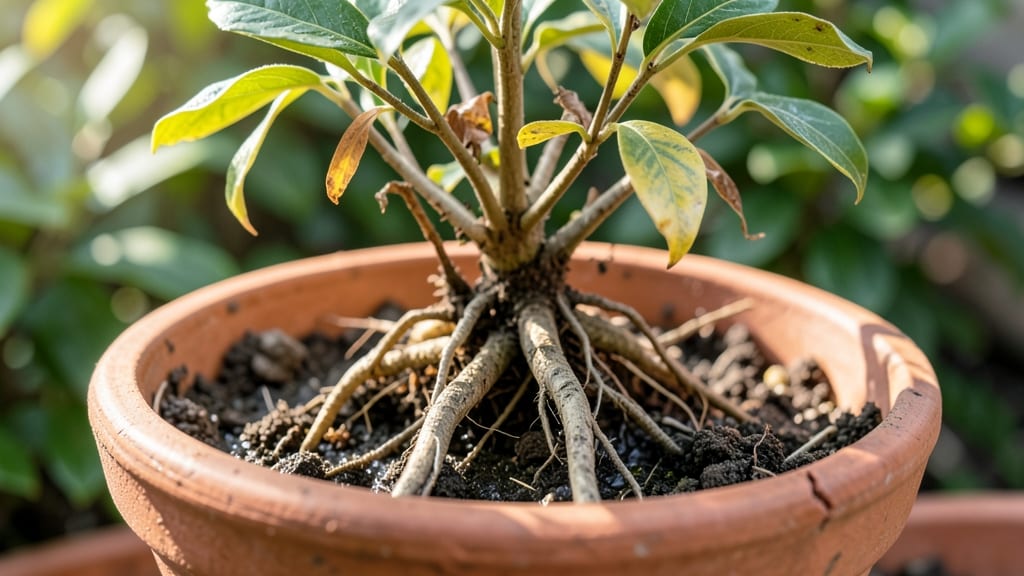
Growing tea trees in containers unlocks fragrant, medicinal benefits even in tiny urban spaces. These container-specific tips ensure your tea tree thrives with proper care, from soil selection to pruning techniques.
Best Soil Mix for Container Tea Trees
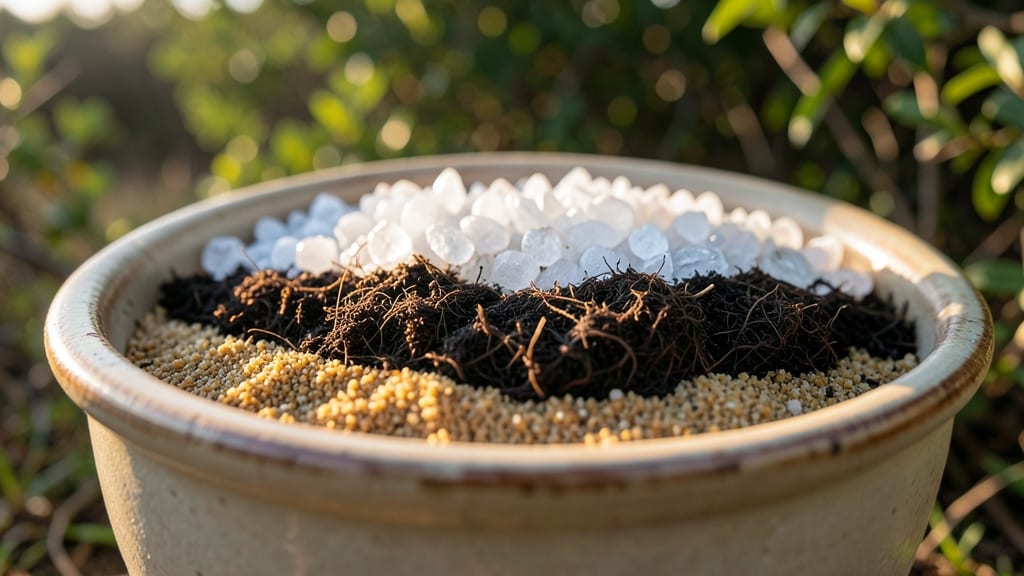
Your container tea tree's health starts with the right soil mix—one that mimics its native Australian heathland while preventing soggy roots. A blend of 50% sandy loam, 30% peat moss or coconut coir, and 20% perlite or coarse sand creates the perfect balance of drainage and moisture retention.
This mix ensures acidic pH (5.5-6.5), which tea trees crave, while the sandy component prevents waterlogging that can drown roots. Add a handful of crushed pine bark to improve aeration and mimic the forest floor. For best results, repot every 2-3 years with fresh mix to maintain nutrients and structure.
Urban gardeners and small-space growers will appreciate how this lightweight mix reduces container weight while keeping roots happy. 🌿
Optimal Container Size for Mature Tea Trees
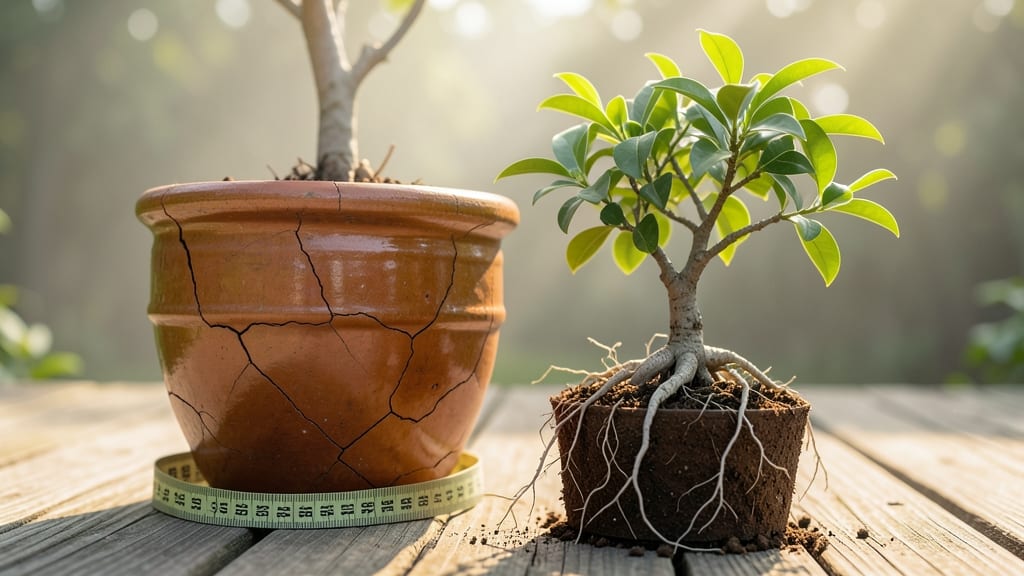
Skipping the guesswork on container size can mean the difference between a thriving tea tree and one struggling with root-bound stress. Mature tea trees need 18+ inches in both depth and width to support their extensive root systems and prevent circling roots that stunt growth.
Prioritize containers with at least one 1-inch drainage hole at the bottom—terracotta or fiberglass pots are ideal for their breathability and durability. For longevity, choose glazed ceramic or plastic with UV protection to prevent cracking or degradation. A slightly larger pot (20+ inches) gives extra buffer room for seasonal growth spurts.
Urban gardeners with limited space will appreciate how this size accommodates mature trees while keeping them mobile. Just remember: bigger isn’t always better—overly large pots can retain too much moisture, so match the container to your tree’s current stage. 🌱
Sunlight Requirements for Potted Tea Trees
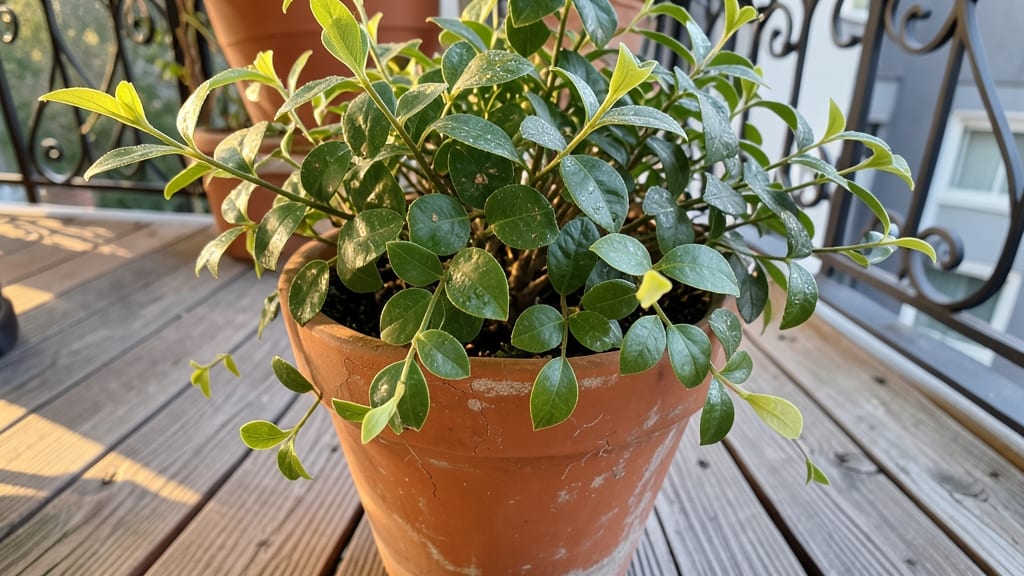
Your potted tea tree craves sunlight but can't handle the harsh afternoon rays that scorch its delicate leaves. The key to success lies in striking a balance between 6-8 hours of morning sun and afternoon shade—especially during peak summer months.
Place your container on a patio, balcony, or deck where it gets bright, indirect light in the afternoon. If moving between indoor and outdoor spaces, transition gradually over 7-10 days to avoid shock. Watch for yellowing or crispy edges—signs of too much sun—and adjust with sheer curtains or a light shade cloth.
Urban gardeners with limited outdoor space will appreciate this flexibility, as tea trees adapt well to indoor grow lights (12-14 hours daily) during winter. With the right light balance, your tea tree will reward you with lush, fragrant foliage year-round. 🌟
Watering Schedule for Container Tea Trees
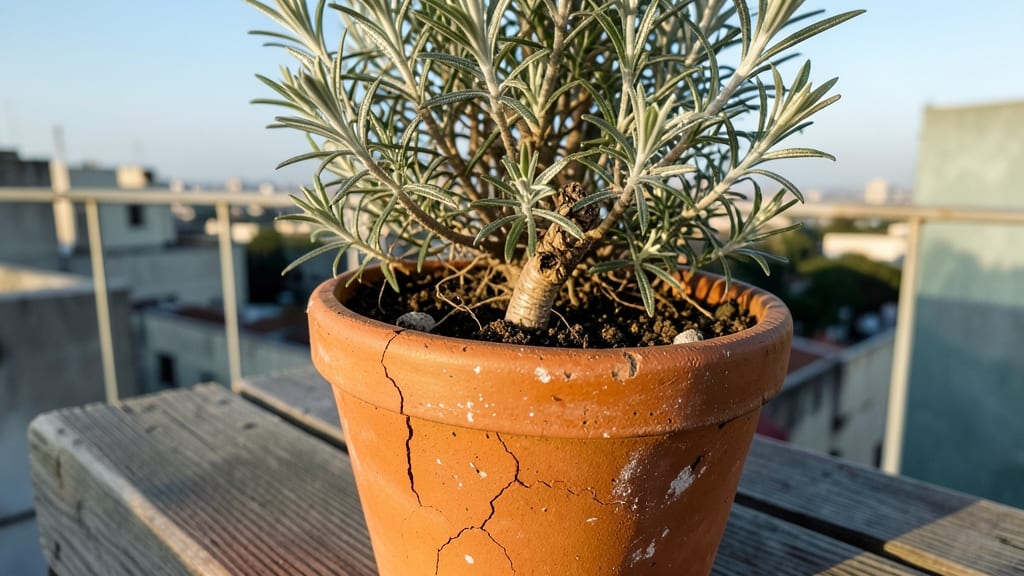
Urban gardeners know the struggle: balancing water needs in drought-prone containers without drowning roots. Tea trees (Melaleuca alternifolia) thrive on consistency, but their shallow container roots dry out fast—especially in city heat.
Use the finger-test method twice weekly: stick your finger 1-2 inches into the soil. Water only when it feels dry to the touch. Adjust for seasons—reduce watering in winter by half, and increase slightly in summer while monitoring for wilting. Always water at the base, avoiding leaves to prevent fungal issues.
This schedule keeps your container tea tree lush without risking root rot—a game-changer for small-space growers. 💡
Pruning Techniques for Compact Growth
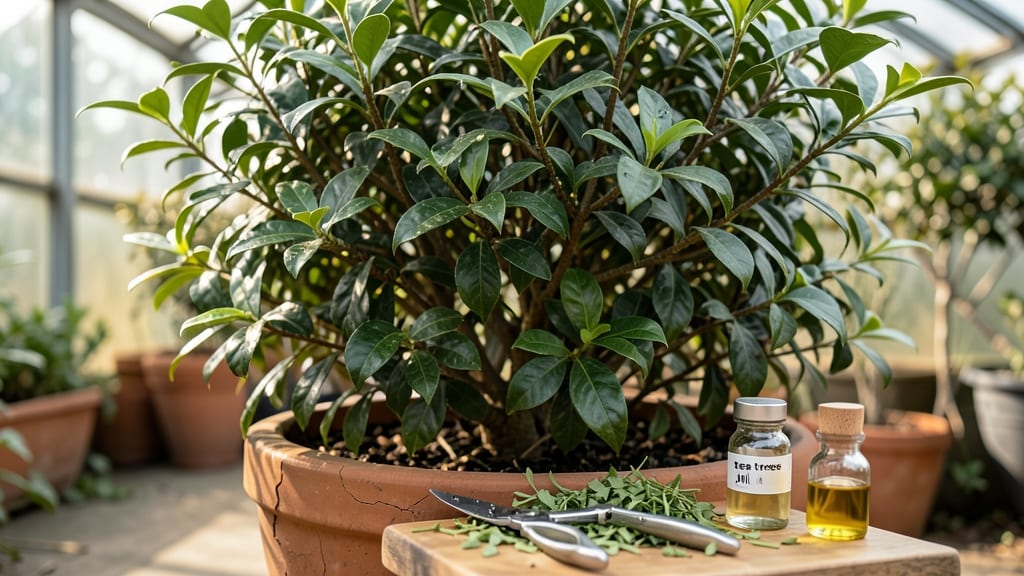
Want a tea tree with a fuller, bushier shape and higher essential oil production? Pruning isn’t just about aesthetics—it’s a game-changer for your plant’s health and aromatic potential. The key lies in timing, technique, and keeping your tools clean to prevent disease.
Start pruning in early spring just as new growth begins, cutting back overly long branches by one-third to encourage lateral shoots. For year-round oil production, avoid heavy pruning in fall or winter, as this can stress the plant. Always sterilize your pruners with rubbing alcohol between cuts to prevent bacterial or fungal infections, which are more common in container-grown plants.
This method is perfect for urban gardeners with limited space—compact growth means more leaves for harvesting, and proper pruning keeps your tea tree thriving for years. 💚
Fertilizing Routine for Container Tea Trees
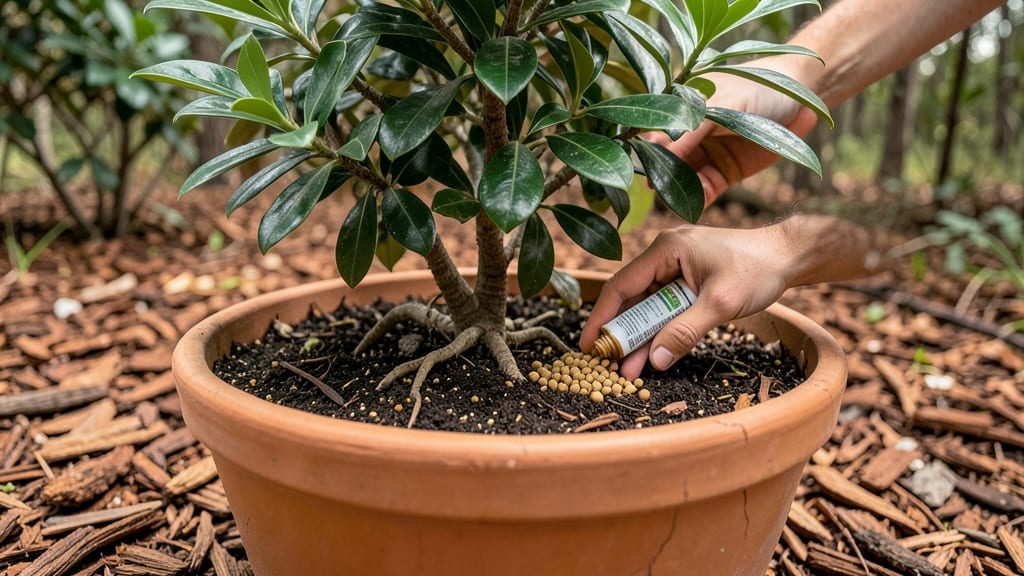
Your container tea tree thrives best when its nutrients mirror the slow-release richness of its native Australian forest floor. Instead of synthetic spikes, use a balanced organic schedule that feeds roots steadily while preventing salt buildup common in potted plants.
Start with a slow-release fertilizer like worm castings or composted pine bark in spring, then supplement every 6-8 weeks with a micronutrient-rich liquid feed (such as fish emulsion or seaweed extract). Tea trees love iron and zinc—add chelated supplements if leaves turn yellow between veins. Urban gardeners will appreciate this low-maintenance approach that keeps plants lush without overpowering small containers. 💚
Pest Control for Potted Tea Trees
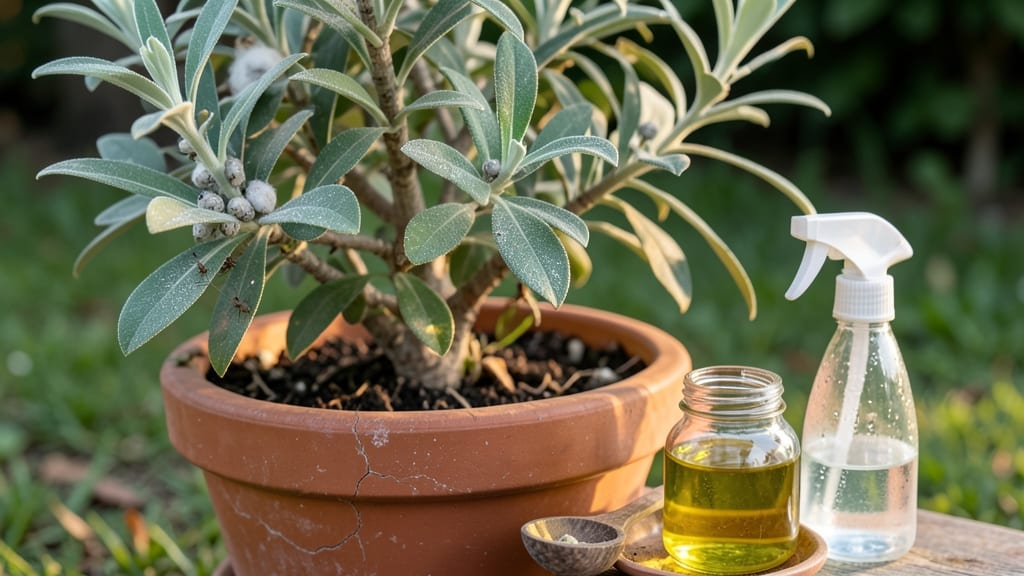
Even your fragrant tea tree (Melaleuca alternifolia) can fall victim to pests like spider mites, aphids, or mealybugs—especially when confined to containers. The good news? Natural solutions tailored for potted plants can keep your tree thriving without harsh chemicals.
Start with preventive care: Mist leaves weekly to deter mites, and spray with neem oil (1 tsp per quart of water) every 2-3 weeks. For infestations, isolate the pot and apply insecticidal soap directly to webs or pests. Container-specific tip: Check drainage holes for hidden pests like scale insects, and remove affected leaves promptly. Aphids? Blast them off with a strong stream of water.
Urban gardeners and beginners will appreciate these low-toxicity methods—no gloves or masks required! With consistent monitoring, your tea tree will stay pest-free and productive. 🌱
Winter Care for Container Tea Trees
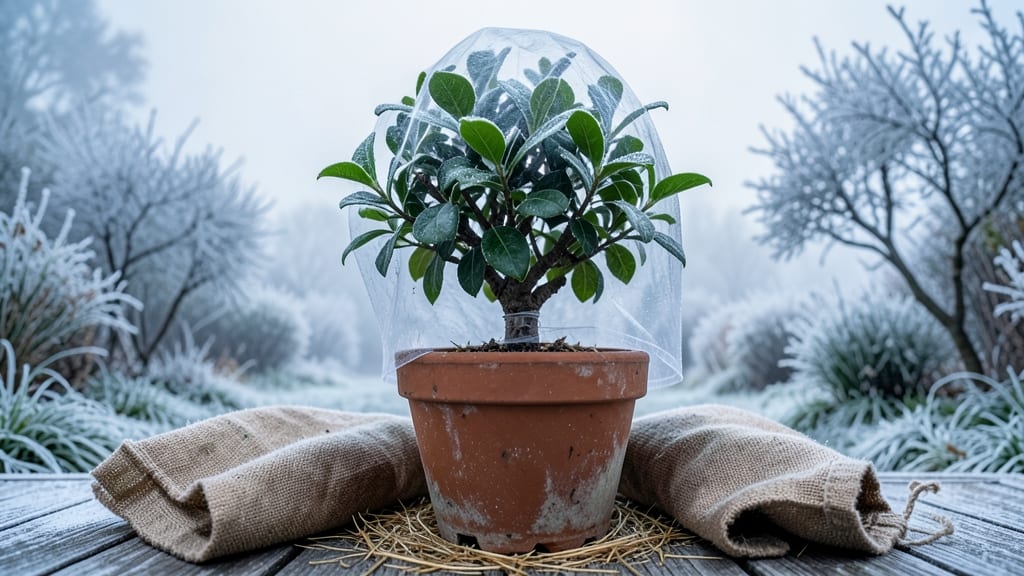
When frost creeping in threatens your potted tea tree, don’t panic—just prepare! Cold climates can damage tender leaves, but with the right winter care, your tree will bounce back stronger than ever. The key is protecting roots and foliage from sudden temperature drops.
Start by wrapping the container itself in bubble wrap or burlap to insulate against cold soil. Add a 3-inch layer of mulch (like straw or pine bark) around the base to shield roots. For extra protection, move containers to a sheltered spot—like a garage or under an eave—before nighttime temps drop below 25°F. If indoor space is tight, group pots together to create a microclimate that retains warmth.
Tea tree owners in USDA Zones 7-9 will especially benefit from these steps, as they’re the most vulnerable to frost damage. With these simple adjustments, your tree will survive winter and reward you with fresh growth come spring. 🌿
Harvesting Leaves for Essential Oil
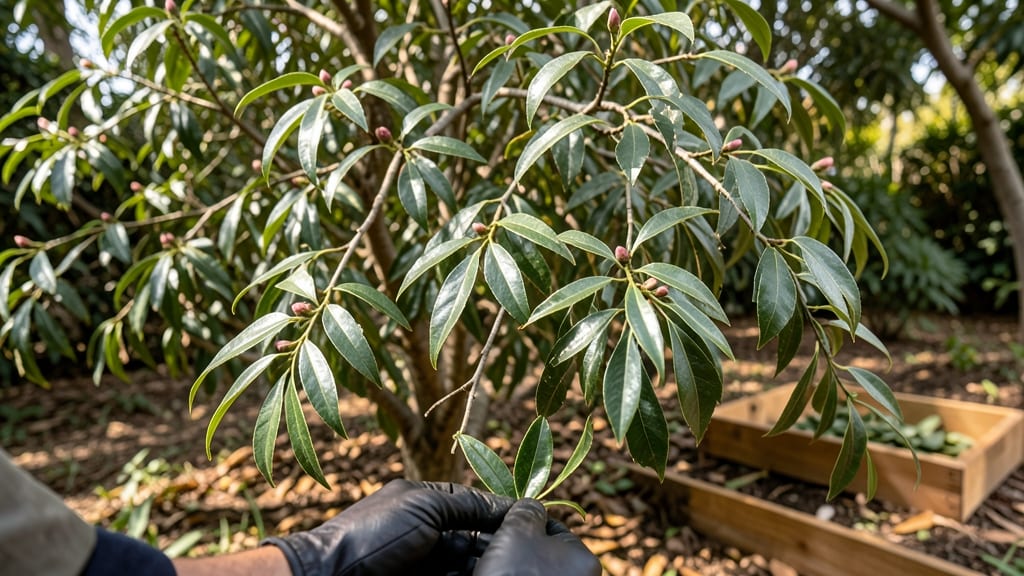
Ready to unlock the full potential of your tea tree? The secret to maximizing essential oil yield lies in harvesting leaves at the right time—just before flowering when oil concentrations peak. This timing ensures the highest medicinal potency and aromatic strength for your homemade remedies or DIY blends.
Start by harvesting young, fresh leaves in the morning after the dew has dried but before the sun intensifies. Use clean, sharp pruning shears to avoid damaging the plant, and collect only what you need—never take more than one-third of the foliage at once. After harvesting, lay the leaves in a single layer on a drying rack or mesh screen in a well-ventilated, shady area for 1-2 weeks. Avoid direct sunlight, which can degrade the essential oils. Once fully dried and brittle, store the leaves in an airtight glass jar away from light to preserve their potency for up to a year.
This method is perfect for urban gardeners or herbalists looking to create their own tea tree oil at home. With the right timing and care, you’ll harvest leaves packed with therapeutic properties—ready to infuse into oils, salves, or tinctures. ✨
Common Mistakes to Avoid in Container Tea Trees

A struggling tea tree often points to one of seven common mistakes that even experienced gardeners make. These errors—like overpotting or nutrient deficiencies—can leave your plant stunted, yellowing, or worse, dead.
First, avoid overpotting, which causes root suffocation and water retention. Tea trees need containers with 18+ inches of depth but not excessive space—repot every 2–3 years. Next, watch your watering: soggy soil leads to root rot, while dry soil causes leaf drop. Test moisture with your finger—water only when the top 1–2 inches feel dry. Finally, skip heavy fertilizers; tea trees thrive on light, balanced organic feeds (like fish emulsion) every 4–6 weeks, not synthetic boosts.
These oversights are especially costly for urban gardeners with limited space. Fixing them early saves time, money, and your plant’s health. 🌿