
How To
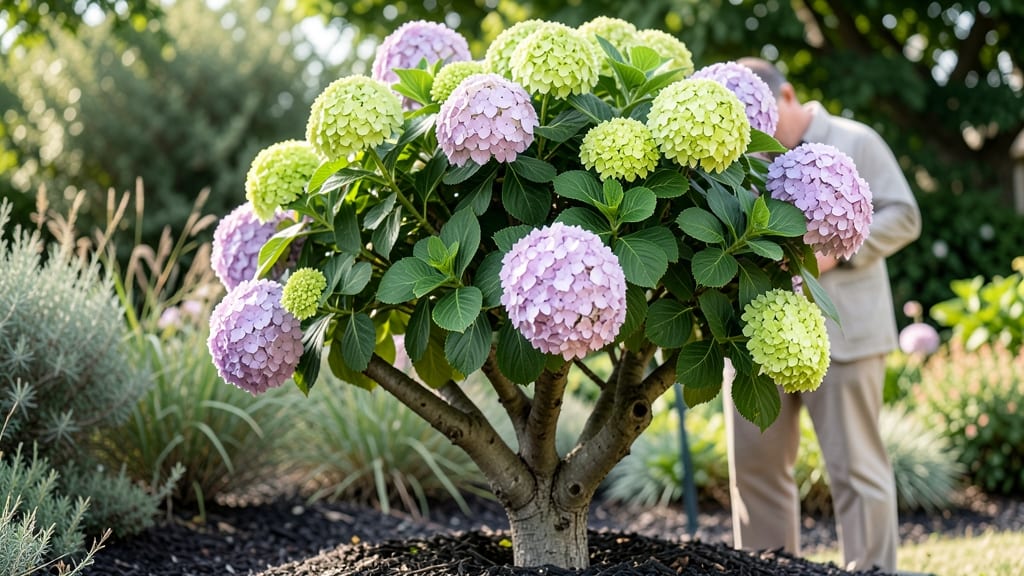
A hydrangea tree grows anywhere from 6 to 15 feet tall at maturity, depending on the variety and how you care for it 🌸 — and that range can change dramatically with the right (or wrong) pruning habits.
Picture this: You plant a 6-foot hydrangea tree in your front yard, only to watch it stretch toward the sky like a teenager in a growth spurt. Or maybe you’ve seen those dwarf varieties that stay compact, perfect for small gardens.
The truth? Height isn’t just about genetics—it’s about sunlight, soil, and when you reach for those pruning shears.
Some varieties, like the towering Hydrangea paniculata 'Limelight', can reach 12 feet or more if left unchecked, while others, such as H. arborescens 'Annabelle', max out around 5 feet. The key to controlling its size lies in understanding your plant’s needs and acting at the right time.
In this guide, I’ll break down the height ranges for popular varieties, the factors that push (or stunt) growth, and the pruning secrets that keep your hydrangea tree at the perfect height—whether you want it to shade your patio or fit neatly in a flower bed.

Hydrangea tree height by variety: from compact to towering giants
Choosing the right hydrangea tree for your space starts with understanding their mature heights. Some varieties stay compact at 3–5 feet, while others can soar to 15 feet or taller.
The key is matching the plant’s growth habit to your landscape—whether you need a privacy screen, a shade provider, or a focal point near your patio. Let’s explore the most popular types and their height ranges to help you make the perfect pick.
Hydrangeas are divided into three main groups based on height and growth patterns: dwarf varieties (ideal for small gardens), semi-dwarf varieties (versatile for medium spaces), and standard varieties (best for large landscapes).
Each type has unique care needs, but all thrive with well-draining soil and partial shade. Knowing these distinctions will save you from outgrowing your space—or underutilizing a towering beauty.
| Variety | Mature Height | Growth Habit | Best For | Care Tips |
|---|---|---|---|---|
| Hydrangea arborescens 'Annabelle' | 3–5 ft | Bushy, rounded | Small gardens, containers | Prune in late winter; tolerates full sun |
| Hydrangea paniculata 'Limelight' | 6–8 ft | Upright, pyramid-shaped | Privacy screens, focal points | Needs well-draining soil; prune in late winter |
| Hydrangea quercifolia 'Snow Queen' | 8–12 ft | Oakleaf-shaped, weeping branches | Shade trees, woodland gardens | Prefers acidic soil; mulch annually |
| Hydrangea macrophylla 'Endless Summer' | 3–5 ft (dwarf) or 6–10 ft (standard) | Bushy, mounding | Borders, containers, small yards | Deadhead spent blooms; partial shade preferred |
| Hydrangea paniculata 'Grandiflora' | 8–15 ft | Tall, upright, vase-shaped | Large landscapes, backyard focal points | Tolerates full sun; prune in late winter |
| Hydrangea arborescens 'Incrediball' | 3–4 ft | Compact, rounded | Containers, small spaces, urban gardens | Drought-tolerant; prune lightly in spring |
Height ranges are approximate and can vary based on growing conditions. Dwarf varieties are ideal for containers or small gardens, while taller types excel as privacy hedges or shade providers.
The Hydrangea arborescens group, like 'Annabelle' and 'Incrediball,' stays on the shorter side, making them perfect for containers or front-yard plantings. These varieties thrive in full sun to partial shade and produce large, sterile blooms that last from summer to fall.
If you’re working with limited space, these are my top recommendations for a low-maintenance yet high-impact look.
For those with larger properties, the Hydrangea paniculata varieties like 'Limelight' and 'Grandiflora' are game-changers. They grow 6–15 feet tall and develop a pyramidal shape that’s perfect for backyard focal points or privacy screens.
These types also handle full sun better than other hydrangeas, making them versatile for sunnier climates.
The Hydrangea quercifolia group, such as 'Snow Queen,' is a standout for its oakleaf-shaped foliage and weeping branches. Mature trees reach 8–12 feet and create a dramatic, woodland-like effect.
They’re ideal for shady areas and add seasonal interest with their fall color changes from green to deep red or purple.
If you’re unsure about height, consider dwarf varieties like 'Endless Summer' or 'Incrediball.' These stay under 5 feet but still deliver stunning blooms. They’re perfect for urban gardens or balconies where space is tight. Plus, their manageable size makes them easier to prune and maintain without sacrificing beauty.
Remember, the mature height of a hydrangea tree depends on more than just the variety—pruning habits, soil quality, and sunlight exposure all play a role. For example, over-pruning can stunt growth, while rich, acidic soil encourages taller, healthier plants.
Always check the USDA hardiness zone for your area to ensure the variety you choose will thrive.
For first-time growers, I recommend starting with 'Annabelle' or 'Limelight'—both are forgiving, fast-growing, and adaptable to different conditions. If you’re aiming for a taller specimen, 'Grandiflora' or 'Snow Queen' will reward you with years of lush foliage and showy blooms.
With the right variety and care, your hydrangea tree will become a showstopper in your landscape.
Pro tip: Always measure your space before planting. A 15-foot hydrangea near a small patio will quickly become overwhelming, while a 3-foot dwarf might get lost in a large backyard. Plan ahead, and your hydrangea will grow into the perfect fit for your garden!
Factors that influence hydrangea tree height: sunlight, soil, and pruning secrets
Understanding how to maximize—or control—your hydrangea tree's height starts with three critical factors: sunlight exposure, soil conditions, and pruning techniques. Each plays a unique role in determining whether your plant grows into a towering 15-foot shade provider or stays compact at 5 feet.
Let me break down how these elements interact to shape your hydrangea's stature.
The amount of sunlight your hydrangea receives directly impacts its growth rate and final height. Most varieties thrive in partial shade (3–6 hours of morning sun), which encourages slower, bushier growth.
However, full sun exposure can push some varieties like Hydrangea paniculata to grow taller and faster, sometimes exceeding 12 feet. On the flip side, too little light can stunt growth entirely.
🌿 Hydrangea Tree Height Guide
| Variety | Mature Height | Sunlight Needs |
| Hydrangea paniculata | 8–15 ft | Full sun to partial shade |
| Hydrangea arborescens | 3–6 ft | Partial shade |
| Hydrangea quercifolia | 6–12 ft | Partial shade |
Note: Dwarf varieties (e.g., 'Little Lime') stay under 5 ft with proper care.
Soil pH is another hidden growth regulator for hydrangeas. These plants prefer acidic soil (pH 5.2–6.0), which unlocks their full height potential. If your soil is alkaline, your hydrangea may grow slower or develop chlorotic leaves.
To test your soil, grab a pH testing kit and amend with sulfur or peat moss if needed. I’ve seen Hydrangea macrophylla varieties grow 30% taller after adjusting soil pH!
Pruning is where you take control of your hydrangea’s height. For taller growth, prune lightly in late winter to encourage new shoots. To keep it compact, prune back by 1/3 in early spring.
Avoid summer pruning, as it can reduce next year’s blooms. Use sharp, clean bypass pruners and always cut just above a leaf node to promote healthy regrowth.
One common mistake I see is over-pruning Hydrangea paniculata in fall, which removes next year’s flower buds. Instead, wait until late winter when the plant is dormant. For weeping varieties, prune the outer branches to encourage a fuller shape while maintaining height.
Remember, less pruning = taller growth, while aggressive pruning keeps plants shorter.
For optimal height control, combine these factors: place your hydrangea in morning sun with afternoon shade, ensure acidic soil, and prune strategically. With these adjustments, you can guide your hydrangea to reach its ideal height—whether that’s a towering shade tree or a compact patio focal point. 🌳