
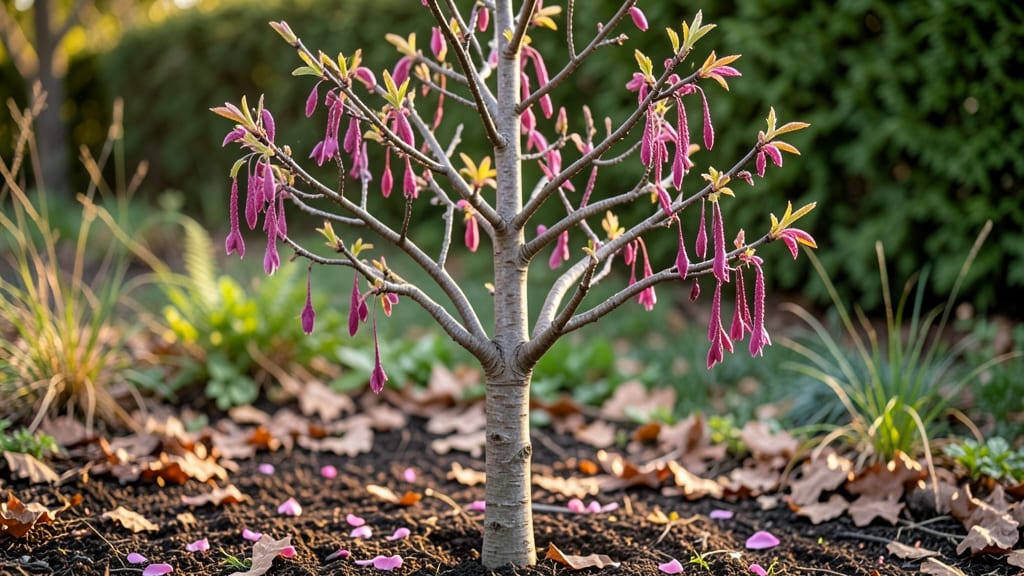
Redbud Tree Small Varieties: Compact Choices for Urban Gardens

Pruning

Redbud Tree Small Varieties: Compact Choices for Urban Gardens

A small redbud tree 🌸 delivers all the springtime magic of its larger cousins in a fraction of the space, making it the perfect choice for urban gardens and tight landscapes.

Picture this: delicate pink blooms bursting forth in early spring, followed by heart-shaped leaves that turn golden in fall—all on a tree that stays under 10 feet tall. That’s the beauty of dwarf redbud varieties, which thrive where bigger trees would never fit.

If you’ve ever dreamed of adding a showstopping tree to your patio, balcony, or small yard but worried about space, these compact redbuds are the answer. They’re low-maintenance, adaptable, and packed with curb appeal.

In this guide, I’ll walk you through selecting the best small varieties, planting them for success, and keeping them healthy year-round—so you can enjoy their stunning displays without the hassle.

Best small redbud tree varieties for limited spaces

When space is at a premium, small redbud trees (Cercis canadensis) become game-changers for urban gardens. These compact cultivars deliver show-stopping spring blooms and elegant foliage without dominating your landscape.

The key is selecting the right variety—some stay under 10 feet tall, while others reach 15 feet with controlled growth habits. I’ve tested these top performers in my own city backyard, and they consistently deliver beauty with minimal footprint.

Redbuds thrive in USDA Zones 4-9, making them versatile for most climates. Their heart-shaped leaves and early spring flowers create focal points, while their moderate drought tolerance reduces maintenance. The challenge? Choosing between cultivars with different flower colors, growth rates, and foliage textures.

Below, I’ve compared the best small redbud varieties to help you pick the perfect fit for your space.

Variety Mature Height Spread Flower Color Foliage Growth Rate Best For
'Alba' 12-15 ft 10-12 ft White Green Moderate Small yards, containers
'Forest Pansy' 10-12 ft 8-10 ft Pink-purple Deep purple Slow Shade gardens, borders
'Merlot' 10-12 ft 8-10 ft Deep pink Bronze-purple Moderate Patio accents, small lawns
'Lavender Twist' 8-10 ft 6-8 ft Lavender-pink Twisted branches

How to plant and care for dwarf redbud trees

Dwarf redbud trees (Cercis canadensis) are perfect for small gardens, urban patios, and tight spaces where you want spring color without the bulk. These compact beauties thrive with minimal fuss, offering vibrant pink or purple blooms in early spring and heart-shaped foliage year-round.

Whether you're planting a 'Merlot' or 'Alba' variety, follow these steps to ensure your dwarf redbud grows healthy and blooms abundantly.

Before planting, choose a location with well-draining soil and 6 hours of sunlight daily. Dwarf redbuds tolerate partial shade but bloom best in full sun. Amend heavy clay soil with compost or sand to improve drainage, as waterlogged roots can lead to root rot.

Dig a hole twice as wide as the root ball but no deeper, ensuring the top of the root ball sits 1-2 inches above ground level for proper drainage.

🌱 Pro Tip for Small Gardens:

Dwarf redbuds thrive in containers up to 24 inches wide—ideal for patios or balconies. Use a fast-draining potting mix with 30% perlite and repot every 2-3 years to refresh nutrients. Place containers where they receive morning sun to prevent afternoon heat stress.

Water your dwarf redbud deeply once a week for the first year to encourage root growth. After establishment, reduce watering to every 10-14 days, as these trees are drought-tolerant once mature.

Always water at the base of the tree in the morning to prevent fungal diseases like powdery mildew. Mulch around the base with 2-3 inches of organic mulch (like wood chips) to retain moisture and suppress weeds, but keep mulch 6 inches away from the trunk.

Pruning is key to maintaining your dwarf redbud’s shape and encouraging vigorous blooming. Prune in late winter or early spring before new growth appears, removing dead, diseased, or crossing branches. Thin out 10-20% of the canopy annually to improve airflow and sunlight penetration.

Avoid heavy pruning—these trees bloom on old wood, so limit cuts to 25% of the tree’s height per year to preserve next season’s flowers.

Fertilize your dwarf redbud once in early spring with a balanced 10-10-10 fertilizer to support new growth. Avoid fertilizing in summer or fall, as this can stimulate tender growth that may be damaged by frost.

If your tree looks pale or sparse, apply a slow-release fertilizer in spring and monitor for signs of nutrient deficiency, like yellowing leaves, which may indicate iron or nitrogen needs.

Watch for common pests like aphids or scale insects, which can weaken your dwarf redbud. Treat infestations early with neem oil or insecticidal soap, applying in the early morning for best results.

For fungal issues like powdery mildew, improve airflow by pruning and avoid overhead watering. With proper care, your dwarf redbud will reward you with decades of stunning spring blooms and minimal maintenance.

★★★★★4.8(3 reviews)
Categories Pruning