
Planting
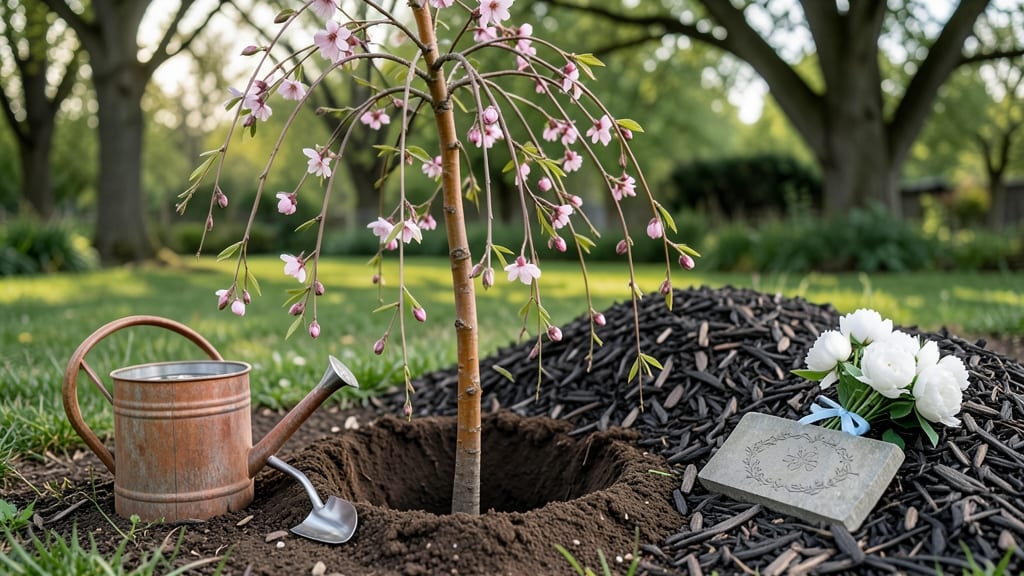
Planting a tree in memory of a pet turns grief into something green and growing. 🌳 I still remember the quiet spot where I buried my old tabby, and how the first sapling there felt like a promise—love that keeps on giving, even when they're gone.
This isn't just about planting; it's about creating a living tribute that grows with time, just like the memories we carry.
The right tree makes all the difference—something sturdy, long-lived, and meaningful. I chose a dogwood for its delicate blooms and lasting presence, but magnolias, maples, or even a shade-giving oak work beautifully too.
Think about your pet's personality: a fast-growing willow for energy, a slow-blooming cherry for quiet reflection, or a fragrant tree like lilac to fill the air with scent. The roots will run deep, just like the love you're honoring.
What you'll end up with is a place to visit, to remember, and to feel close to your pet even years later. The tree becomes a quiet guardian, its leaves whispering stories only you understand.
Over time, it'll provide shade for future walks, a perch for birds, and a spot where the sunlight dances just the way your pet used to love. This isn't just a memorial—it's a living legacy.
Whether you plant in spring or fall, the act itself becomes part of the healing. Bring a photo to tuck in the soil, write their name on a small plaque nearby, or simply sit beneath the new sapling and talk to them.
The earth remembers what we forget to say out loud. Here's how to make it meaningful—and lasting.
📚 In This Guide
- What you need
- Instructions
- Tips and common mistakes
- Wrapping up and next steps
What you need
- ● Tree sapling: Choose a native, pet-friendly species (e.g., dogwood, maple, or oak). Quantity: 1
- ○ Shovel: A sturdy, medium-sized digging spade (16–20 inches long). Optional: A trowel for finer adjustments.
- ● Compost or well-aged manure: 1–2 gallons to enrich the soil.
- ● Mulch: 2–3 bags (pine straw, wood chips, or shredded leaves).
- ● Watering can or hose: With a gentle spray nozzle for hydration.
- ○ Planting guide or stake: (Optional) To support young trees.
- ○ Memorial plaque or engraved stone: (Optional) For a personal touch.
- ● A sunny or partially shaded spot with well-draining soil.
- ● Check local regulations for tree-planting permits (some areas require approval).
- ● Plan for ongoing care—trees need consistent watering for the first year.
Step-by-step instructions for planting a memorial tree
Here's how to create a lasting tribute with care and intention.
🌱 Step 1: Choose the Right Tree Species
Select a tree that thrives in your climate and holds personal meaning. Fast-growing species like dogwood, redbud, or magnolia provide quick visual comfort, while oak or maple offer long-term stability. I like to pick trees with flowers or foliage that remind me of my pet—maybe a yellow flowering tree if they loved sunny days.
Check your local nursery for native options. Native trees establish faster, support local wildlife, and require less maintenance. Avoid invasive species—your memorial should benefit the ecosystem, not disrupt it. Call your county extension office if you're unsure about local regulations on tree planting.
🪴 Step 2: Select and Prepare the Planting Site
Choose a location with at least 6 feet of clearance in all directions for mature growth. Sunlight needs vary by species—full sun (6+ hours) works for most memorial trees, but check your chosen variety's requirements. I always test the spot by standing there for an hour to visualize how it will look as the tree grows.
Dig a hole twice as wide as the tree's root ball but only as deep. Loosen the sides of the hole with a shovel to prevent root circling. The top of the root ball should sit 1-2 inches above ground level—this prevents water pooling around the trunk. If your soil is heavy clay, mix in 3 inches of compost from the provided bag to improve drainage.
☀️ Step 3: Plant the Tree with Intention
Remove the tree from its container and gently loosen any circling roots with your fingers. Place it in the hole so the root flare (where roots meet trunk) is visible above the surrounding soil. This prevents the trunk from sinking into the ground as it matures. Fill the hole with native soil, tamping down lightly every 6 inches to remove air pockets.
Create a watering basin by mounding soil 2-3 inches higher than the surrounding ground in a circle around the tree. This directs water to the roots where it's needed. Water deeply until the soil is saturated 12 inches down—you'll know it's enough when water pools in the basin and drains away within 15 minutes.
💧 Step 4: Establish a Care Routine for the First Year
Water twice weekly for the first month, then taper to once weekly once leaves appear. New trees need 1-2 gallons of water per week during dry spells. I set a reminder on my phone for watering days—memorial trees need consistent care to thrive. Mulch with 3 inches of organic mulch (like wood chips) in a 3-foot diameter circle, keeping it 6 inches away from the trunk to prevent rot.
Stake only if your tree is taller than 6 feet or in a windy location. Use two stakes placed diagonally and tie with soft fabric strips—never wire, which can girdle the trunk. Check ties monthly and loosen as the tree grows stronger. Avoid fertilizing for the first year—your tree's energy should focus on root establishment, not foliage growth.
⏰ Step 5: Create a Meaningful Ceremony
Schedule your planting for a special day—perhaps your pet's birthday, anniversary of their passing, or a day with personal significance. Bring a small shovel, a photo of your pet, and a note with their name and dates. I like to include a small keepsake like a collar or toy buried with the tree's roots as a silent tribute.
After planting, spend time reflecting by the tree. Speak their name, share a favorite memory, or simply sit in quiet companionship. This ritual connects you to the living memorial you've created. Take a photo of the planting site to track its growth over time—it's amazing how quickly a sapling becomes a towering reminder of love.
Tips & tricks for planting a meaningful memorial tree
Creating a lasting tribute takes thoughtful planning—and these small details make all the difference.
Species Selection Tip: Consider the tree's mature size when choosing your location. A dogwood may look perfect now, but it will grow to 20-30 feet tall. Measure your yard carefully and visualize the tree's full growth pattern before planting. I always sketch a rough outline of the tree's expected shape to ensure it fits harmoniously with your landscape.
Root Care Secret: When loosening circling roots in Step 3, be gentle—you're not trying to remove them completely, just create gentle breaks to encourage outward growth. Use your fingers or a small tool to tease apart any roots wrapped tightly around the root ball. This simple step prevents girdling as the tree matures, which can strangle its own growth over time.
Watering Wisdom: The 15-minute drainage test after planting is crucial—it tells you exactly how well your soil absorbs water. If water pools longer than 15 minutes, your hole needs more loosening or additional compost. For clay-heavy soils, I've found mixing in 50% compost to native soil creates ideal drainage while retaining moisture. This prevents both drowning and dehydration of young roots.
Ceremony Enhancement: Turn your planting into a meaningful ritual by creating a small time capsule with your tree. Bury a waterproof bag containing your pet's photo, a handwritten note, and a small keepsake at the base of the root ball. Mark the spot with a decorative stone or solar-powered stake. This hidden tribute becomes a personal anchor for future visits to the tree.
Pro Tips for Plant A Tree In Memory Of A Pet
- Creating a lasting tribute takes thoughtful planning—and these small details make all the difference.
- Species Selection Tip: Consider the tree's mature size when choosing your location.
- Root Care Secret: When loosening circling roots in Step 3, be gentle—you're not trying to remove them completely, just create gentle breaks to encourage outward growth.
Frequently asked questions
Got questions? You’re not alone—honoring a pet with a living memorial is a meaningful but sometimes tricky process. Here are answers to the most common concerns to help you plant with peace of mind.
What’s the best type of tree to plant in memory of a pet?
Choose a tree that thrives in your climate and symbolizes your pet’s spirit. Fast-growing species like dogwood or maple offer quick comfort, while long-lived oak or cedar trees create lasting legacies. Native plants also support local ecosystems—win-win for healing and nature!
How long does it take for a tree to grow enough to feel meaningful?
Most trees take 3–5 years to establish sturdy roots and visible growth, but emotional connections start the moment you plant. Smaller trees (like cherry blossoms) may bloom in 1–2 years, offering earlier reminders of your pet’s love. Patience is part of the gift!
Do I need a special permit or permission to plant a memorial tree?
Check local regulations—some cities require permits for public spaces (parks, sidewalks), while private land is usually fine. Call your city’s parks department or utility company (for underground lines) to avoid surprises. Many cemeteries or nature preserves also offer guided planting programs!
What if I can’t plant a tree myself? Are there alternatives?
Consider:
- Symbolic planting: Donate to organizations like The National Arbor Day Foundation to plant a tree in your pet’s name.
- Potted trees: Start with a small tree in a planter near your home or pet’s favorite spot.
- Wildflower gardens: Plant native flowers that attract butterflies or birds—beautiful and eco-friendly.
How do I care for the tree so it thrives long-term?
Start with regular watering (deeply, 1–2 times/week for the first year), mulch (2–4 inches around the base), and pruning dead branches. Avoid over-fertilizing—native trees often need less. Mark the spot with a personalized plaque or engraved stone to visit and share stories.
Still unsure? Contact local nurseries or pet loss support groups—they’ve got tips and heartfelt advice!
Wrapping up and next steps
Planting a tree in memory of your beloved pet is more than just a gesture—it’s a way to honor their love while nurturing something beautiful for years to come. 🌱 Whether you choose a native species, a memorial plaque, or a community project, every step ensures their legacy grows alongside the earth.
Now that you’re inspired, take that first step: pick a spot, gather your tools, and plant with intention—your pet’s memory will thrive in every leaf and branch.