
Pruning
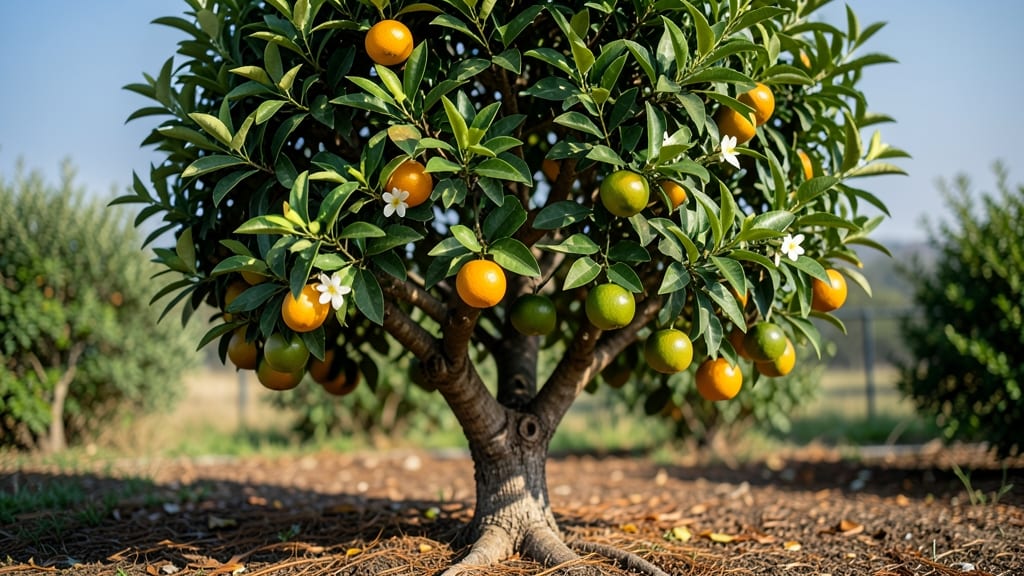
Orange balls on palm trees turn your yard into a tropical paradise year-round. 🌺 These vibrant fruits—like those on the Canarium or Dypsis lutescens—aren’t just pretty; they’re conversation starters that keep your garden lively even in winter.
The secret? Pairing them with the right plants and placement for maximum impact.
Most people overlook these palms because they assume they need a full sun, hot climate—but many thrive in partial shade and humid coastal areas. My Petite Palm produces bright orange berries for months, and it fits perfectly in pots near my pool.
The key is matching it with foliage that complements its tropical vibe, like ferns or bird-of-paradise.
You’ll end up with a garden that feels like a resort, not just a backyard. The orange fruits contrast beautifully against deep green leaves, and the combination draws in hummingbirds and butterflies. Place yours near seating areas or entryways to make every visit feel like a vacation.
Works in containers or planted in the ground, from patios to poolside nooks. Here’s how to style yours for maximum wow factor—without needing a greenhouse or tropical climate.
Nature’s Colorful Surprise Explained
Those vibrant orange balls on your palm tree aren’t just a quirky decoration—they’re a fascinating biological response to environmental cues. Understanding why they appear helps you nurture your tree’s health and keep it looking stunning year-round. Let’s break down the science behind this tropical spectacle.
Many palms produce bright orange inflorescences (flower clusters) as a signal to pollinators like bees, bats, or birds. These structures are packed with nectar and pollen, making them irresistible to wildlife. The orange hue isn’t just for show—it’s an evolutionary adaptation to stand out against green foliage, ensuring successful reproduction.
- Seasonal blooming: Some palms, like the Cocos nucifera (coconut palm) or Roystonea regia (royal palm), flower in response to specific conditions, such as warm temperatures, long daylight hours, or even stress signals like drought.
- Stress-induced blooming: If your palm is otherwise healthy but suddenly sprouts orange clusters, it might be reacting to environmental changes, like a shift in watering or soil nutrients.
💡 Pro Tip: If you’re growing palms in containers, ensure they’re large enough—root-bound stress can sometimes trigger premature flowering!
Once pollinated, the flowers transform into drupes (fleshy fruits with a hard pit), often turning orange as they ripen. This color change is due to carotenoids—the same pigments found in carrots and oranges—which protect the fruit from UV damage and attract animals for seed dispersal.
- Genetic programming: Some palm varieties, like the Phoenix dactylifera (date palm), are hardwired to produce orange-colored fruits as part of their natural lifecycle.
- Nutrient availability: If your palm lacks phosphorus or potassium, the fruits may develop unevenly or fail to turn orange, staying green or yellow instead.
🌡️ Watch Out: Over-fertilizing with nitrogen can delay fruiting. Balance your palm’s diet with a low-nitrogen, high-potassium fertilizer (like a 5-10-10 blend) to encourage vibrant fruit development.
Not all orange clusters are a sign of healthy reproduction—sometimes, they’re a defense mechanism against pests or pathogens. Certain palms, like the Washingtonia filifera (California fan palm), may produce abnormal orange growths when under attack by:
- Scale insects or mealybugs: These sap-sucking pests weaken the tree, prompting it to release stress hormones that trigger unusual growths.
- Fungal infections: Diseases like Phytophthora can cause discolored lesions that mimic orange fruit clusters.
- Bacterial infections: Xylella fastidiosa (a bacterial leaf scorch) can lead to orange-brown fronds that resemble abnormal flowering.
🔥 Act Fast: If the orange growths look shriveled, sticky, or accompanied by black sooty mold, inspect your palm for pests or fungal signs. Prune affected areas immediately and treat with neem oil or a systemic fungicide.
By recognizing whether your palm’s orange balls are a natural part of its lifecycle or a cry for help, you can keep your tree thriving—and your landscape vibrant!
Revive Your Palm’s Vibrant Display
If your palm tree’s orange balls (likely its fruit or inflorescences) are looking lackluster, overripe, or even falling off prematurely, the good news is that most issues can be fixed with simple care adjustments.
Below, we’ve mapped out the most common causes of dull or dying orange clusters—and the step-by-step solutions to bring them back to life (or prevent future problems).
If your palm’s orange balls are dropping early or turning mushy, it’s often a sign of overripeness, poor pollination, or stress. Here’s how to salvage them:
🍳 Prune for Better Airflow & Light
- Why it helps: Crowded fronds or dense growth can trap moisture, leading to rot or fungal issues that speed up fruit decay.
- How to do it:
- Use sterilized pruners (rubbing alcohol wipe) to trim only brown, dead, or overly dense fronds at the base.
- Remove any fruit clusters that are already mushy or infested (save a few healthy ones for propagation).
- Pro tip: 💡 Prune in early morning to avoid stressing the tree during peak heat.
🌡️ Adjust Watering Habits
- Why it helps: Overwatering or inconsistent moisture causes fruit to split or fall prematurely.
- How to do it:
- Check soil moisture 3 inches deep—if it’s damp, wait. If dry, water deeply but avoid soggy roots.
- Mulch with 2–3 inches of organic mulch (like bark chips) to retain moisture and regulate temperature.
- Avoid wetting fruit clusters during watering to prevent fungal growth.
🎯 Boost Pollination (If Needed)
- Why it helps: Some palms (like Canary Island Date Palms) rely on insects or wind for pollination. If fruit isn’t forming properly, give it a hand!
- How to do it:
- Gently tap clusters with a stick to mimic wind pollination (do this on a dry day).
- Attract pollinators by planting bee-friendly flowers nearby (e.g., lavender, sunflowers).
If the fruit is small, pale, or failing to ripen, your palm may be nutrient-deficient or shaded too much. Try these fixes:
💪 Fertilize for Richer Color
- Why it helps: Orange fruit gets its vibrancy from potassium and phosphorus, which fade without proper feeding.
- How to do it:
- Use a balanced palm fertilizer (e.g., 8-2-12 or 6-6-6) in early spring and summer.
- Slow-release granules work best—sprinkle around the drip line (not the trunk) and water in.
- Avoid high-nitrogen fertilizers (like lawn food), which promote leaf growth over fruit.
☀️ Optimize Sunlight Exposure
- Why it helps: Palms need 6+ hours of direct sun daily for fruit to ripen properly.
- How to do it:
- If your tree is shaded, trim nearby structures (e.g., overgrown branches, fences).
- Gradually acclimate indoor palms to outdoor sun by moving them to brighter spots over 2–3 weeks.
- Reflective surfaces (like white walls or mirrors) can bounce extra light onto the tree.
🌱 Improve Soil Drainage
- Why it helps: Compacted or clay soil starves roots of oxygen, leading to poor nutrient uptake.
- How to do it:
- Test your soil (a simple pH test kit works). Palms prefer slightly acidic to neutral (6.0–7.0).
- Amend heavy soil with sand, perlite, or coconut coir to improve drainage.
- Raise containers on pot feet if growing in pots to prevent waterlogging.
Once your palm’s orange balls are back in top shape, keep them thriving with these preventative tips:
- 🔄 Rotate containers (if potted) every few months so all sides get even sun.
- 🚫 Avoid herbicides near the base—many kill beneficial insects and roots.
- 🌿 Monitor for pests (like palm weevils or scale insects) with monthly inspections. Treat early with neem oil or insecticidal soap.
- 📅 Follow a feeding schedule: Fertilize every 2–3 months during growing season (spring–fall).
- 🌧️ Winter prep: If in a cold climate, mulch heavily and reduce watering to protect roots.
With these fixes, your palm should reward you with bold, juicy orange clusters for seasons to come. And if all else fails? Those fallen fruit can often be propagated—just plant the pits in well-draining soil and watch for new growth! 🌱
Frequently asked questions
Which palm trees produce those bright orange "balls"?
The most common palms with vibrant orange clusters are the Canarium species (like the Malaysian Canarium) and Dypsis lutescens 'Petite' palms. These produce striking orange berries that stand out beautifully against green foliage. Other varieties like the Medjool date palm also develop orange fruit when mature.
Can I grow a palm with orange fruit in my climate?
Many of these palms thrive in USDA zones 9-11 but can also be grown in containers and moved indoors during winter. For cooler climates, choose smaller varieties like the Dypsis lutescens 'Petite' that fit well in pots. They need bright indirect light and protection from frost.
Why aren't my palm's orange fruits ripening properly?
Orange fruit may fail to ripen due to insufficient sunlight (6+ hours daily) or nutrient deficiencies. Try moving your palm to a sunnier spot and fertilizing with a low-nitrogen, high-potassium blend (like 5-10-10) during growing season. Also check for proper drainage—waterlogged roots prevent fruiting.
Are the orange "balls" edible or just decorative?
Most ornamental palms with orange clusters (like Canarium species) have edible fruit when fully ripe, though they're often tart or fibrous. The Medjool date palm produces sweet, edible orange dates. Always research your specific palm variety before consuming any fruit—some may be toxic or require special preparation.
How do I style a palm with orange fruit in my garden?
Place your palm near seating areas or entryways to highlight its vibrant fruit. Pair it with silver foliage plants (like dusty miller) or tropical flowers (like hibiscus) for maximum contrast. For containers, use large pots with terracotta or woven textures to enhance the tropical vibe.