
Light Requirements
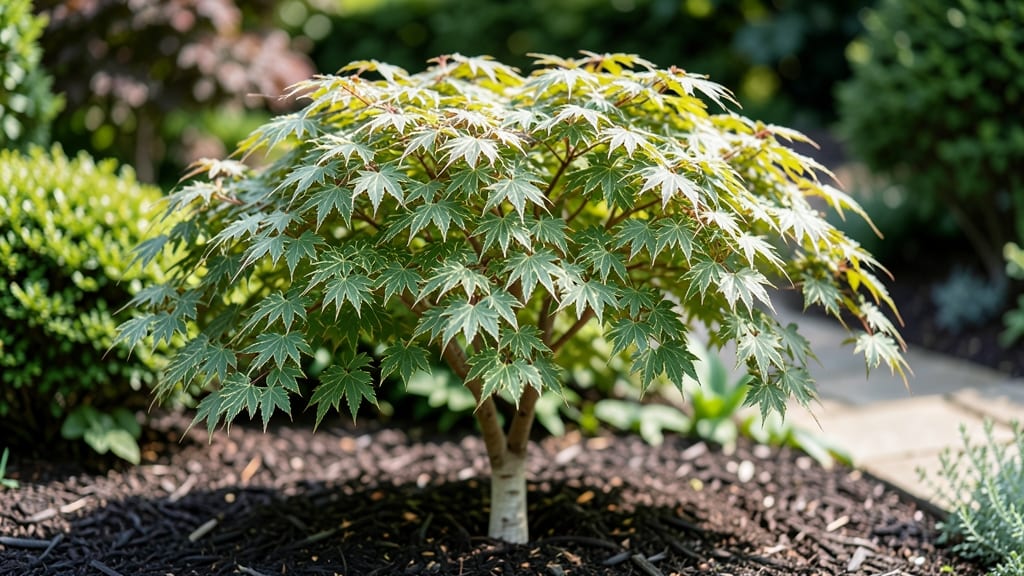
The tree with dark and light green leaves, the Emerald Gaiety beech, steals the show with its dark green leaves edged in golden yellow—like nature’s own watercolor masterpiece. 🌿 I planted mine last spring, and now it’s the centerpiece of my shade garden, casting dappled light that makes every other plant glow.
This isn’t just a tree; it’s a living sculpture that shifts with the seasons, from spring’s fresh chartreuse to autumn’s deeper bronze tones.
What makes it special is how it thrives in partial shade, making it perfect for understory plantings or as a dramatic focal point near patios. Pair it with hostas or ferns for a layered, textured look, or let it stand alone as a conversation starter.
Unlike fussy varieties, this beech handles humidity and urban pollution surprisingly well—ideal for city gardens or woodland edges.
By summer, the contrast sharpens into a striking dark-green-and-gold duo that catches the eye from every angle. The foliage stays lush even in heat waves, and the slow-growing habit means you won’t need to prune often.
For maximum impact, plant it where its branches can arch over pathways, creating a canopy of shimmering light.
Pro tip: Mulch with shredded bark to preserve moisture and highlight the foliage’s colors. In winter, the exfoliating bark adds texture, so it’s never a dull moment. Whether you’re designing a shadow garden or just want a showstopper, this tree delivers drama with minimal effort.
📚 In This Guide
- What you need
- Instructions
- Tips and common mistakes
- Wrapping up and next steps
What you need
- ● Tree Selection: 1 Japanese Maple (Acer palmatum) (e.g., 'Bloodgood' or 'Shishigashira') – dark green to burgundy foliage with striking contrast.
- ● 1 Variegated Holly (Ilex × 'Golden King') – light green/yellow and dark green leaves.
- ● 1 Dwarf Fothergilla (Fothergilla gardenii 'Mount Airy') – silvery-white and deep green foliage.
- ● Soil Prep: 50 lbs well-draining potting mix (or native soil amended with compost).
- ● 1 lb slow-release fertilizer (10-10-10 or organic option).
- ● Planting Tools: 1 garden trowel (for transplanting).
- ● 1 shovel (for digging holes, 2x wider than root ball).
- ● 1 pruning shears (for trimming dead branches).
- ● 1 watering can or hose with spray nozzle.
- ● Mulch (2–3 inches of pine bark or shredded leaves) to retain moisture.
- ● Epsom salt (1 tbsp per gallon of water) for magnesium boost (if leaves look pale).
- ● Decorative stones or garden stakes for aesthetic contrast.
- ● Drip irrigation system for low-maintenance watering.
How to plant and care for a variegated tree with striking contrast
This is the tree that turns heads in shady spots—its bold dark-and-light green leaves create natural art all year. Here's how to grow one that thrives.
🌱 Step 1: Choose the Right Tree for Your Space
Start with a dwarf or medium-sized variegated tree like the Emerald 'n' Gold Euonymus or Variegated Boxwood—both handle shade beautifully. These varieties naturally develop the stunning dark and light green foliage you're after. Check your space: mature trees need 10-15 feet of clearance for branches to spread, while dwarf varieties stay compact at 6-8 feet.
Look for young trees with existing variegation—the more contrasting leaves you see now, the more dramatic the display will be. If you're planting from seed, expect 2-3 years before you see the signature color contrast develop fully. I always buy a 3-5 gallon container-grown specimen from a nursery for instant impact.
☀️ Step 2: Select the Perfect Shady Spot
These trees thrive in partial to full shade, but they need at least 3-4 hours of filtered light daily to maintain their variegation. Too little light fades the contrast, turning leaves uniformly green. I test spots by observing how nearby hostas or ferns grow—if they're thriving, your tree will too.
Watch for drafty areas—cold winds can scorch delicate variegated leaves. Plant near a north-facing wall or under dappled tree canopy for protection. The soil should drain well but stay moist—amend heavy clay with 2-3 inches of compost before planting to improve aeration.
🪴 Step 3: Plant at the Right Depth and Stake if Needed
Dig a hole twice as wide as the root ball but only as deep—the top of the root ball should sit 1 inch above ground level. This prevents the trunk from sitting too deep, which can cause rot. Gently loosen the roots if they're circling the root ball (a common issue with container-grown trees).
Fill the hole halfway with water and let it drain, then backfill with native soil mixed with 1 cup of slow-release fertilizer. Stake only if your tree is taller than 6 feet—younger trees usually don't need support. If staking, use two stakes on opposite sides and tie with soft fabric strips (never wire, which can girdle the trunk).
💧 Step 4: Water Deeply and Mulch Properly
Water thoroughly right after planting—aim for 1-2 gallons depending on root ball size. The soil should be evenly moist but not soggy. For the first 2-3 weeks, check moisture daily by sticking your finger 2 inches deep—water again if it feels dry. After that, water 2-3 times per week unless you get steady rain.
Spread 3-4 inches of mulch (like shredded bark) over the root zone, keeping it 6 inches away from the trunk to prevent rot. This conserves moisture and regulates soil temperature. I top up mulch annually in spring—just enough to maintain that 3-inch layer. Avoid fresh wood chips, which can rob nitrogen from the soil.
✂️ Step 5: Prune for Shape and Health Annually
Prune in late winter or early spring before new growth starts. Remove dead, crossing, or inward-growing branches first—these compete for light and air circulation. For shape, prune just above a leaf bud using clean, sharp pruners. Avoid heavy pruning (never more than 25% of the canopy at once), as variegated trees can revert to solid green if stressed.
Watch for reversion—when variegated leaves turn all green. This happens when the tree gets too much shade. If you notice it, trim back nearby competing plants or move the tree to a slightly sunnier spot. A little more light often brings back the contrast within a season.
Tips & tricks for perfect variegated trees with year-round contrast
These practical insights will help you avoid common pitfalls and maximize the stunning foliage you're after.
Selection Tip: When choosing your tree, look for the most dramatic variegation at the nursery—this is your best indicator of what to expect. I've found that container-grown specimens with 3-5 gallon root balls establish faster than smaller sizes. The more pronounced the contrast in the leaves now, the more striking it will remain over time. Don't be tempted by bargain-priced seedlings unless you're willing to wait 2-3 years for the full color display to develop.
Light Strategy: The 3-4 hours of filtered light mentioned is non-negotiable for maintaining that signature contrast. I test potential spots by observing how nearby hostas grow—they're excellent shade indicators. If you're working with deep shade, consider planting near a north-facing wall or under a dappled tree canopy where light filters through. Remember, too little light causes the leaves to revert to solid green, while too much direct sun can scorch the delicate variegated areas.
Planting Depth: That 1-inch above ground level position for the root ball is crucial—it prevents the trunk from sitting too deep and rotting. I always use a level to check before backfilling. For container-grown trees, gently tease apart any circling roots at the bottom of the root ball to encourage outward growth. This simple step makes a huge difference in how quickly your tree establishes itself in its new home.
Pro Tips for Tree With Dark And Light Green Leaves
- These practical insights will help you avoid common pitfalls and maximize the stunning foliage you're after.
- Selection Tip: When choosing your tree, look for the most dramatic variegation at the nursery—this is your best indicator of what to expect.
- Light Strategy: The 3-4 hours of filtered light mentioned is non-negotiable for maintaining that signature contrast.
Frequently asked questions
Got questions about those gorgeous trees with dark and light green leaves? You’re not alone! Here are some of the most common queries—and their answers—to help you pick, care for, or troubleshoot your new shade garden star.
What kinds of trees have dark and light green leaves?
Popular choices include Japanese maples (like Acer palmatum ‘Bloodgood’), variegated holly, smoke trees (Cotinus), and ornamental cherries. Many evergreens, like Empress Tree (Paulownia), also feature striking variegation. Check your USDA hardiness zone to match the tree to your climate!
Are these trees high-maintenance?
Not necessarily! Most variegated trees thrive with moderate care: well-draining soil, occasional pruning to maintain shape, and protection from harsh winter winds. Japanese maples, for example, appreciate mulch to retain moisture. Just avoid over-fertilizing—too much nitrogen can reduce leaf variegation!
How long does it take for new leaves to show variegation?
Young trees may take 1–3 years to fully develop their contrasting foliage, depending on the species. Patience pays off! If you’re impatient, opt for a mature specimen (3+ years old) at the nursery. Smoke trees and ornamental cherries often display variegation sooner than maples.
Can these trees grow in full shade?
Many do thrive in partial to full shade, but light affects variegation. Trees like variegated holly or Empress Tree may lose some contrast in deep shade. For boldest patterns, plant them in dappled sunlight (e.g., under deciduous trees) or morning sun with afternoon shade.
Why are my tree’s leaves turning all green or brown?
Variegation can fade due to too much shade, nutrient imbalances (like excess nitrogen), or stress (e.g., transplant shock). Brown patches often signal sunburn (if suddenly exposed to harsh light) or fungal issues. Prune damaged leaves, adjust sunlight, and water consistently. A balanced fertilizer (low in nitrogen) can help restore contrast!
Wrapping up and next steps
From the striking variegated foliage of dwarf variegated holly to the bold contrast of Japanese maples, trees with dark and light green leaves bring a dynamic, year-round charm to shade gardens.
Their unique patterns not only enhance curb appeal but also create a serene, natural focal point that thrives with minimal sunlight. Whether you're a seasoned gardener or just starting, these trees offer low-maintenance beauty and adaptability—perfect for elevating your outdoor space effortlessly.
Ready to transform your garden? Start small—pick one tree that matches your space and light conditions, then watch your landscape shine with effortless elegance! 🌿✨