
How To
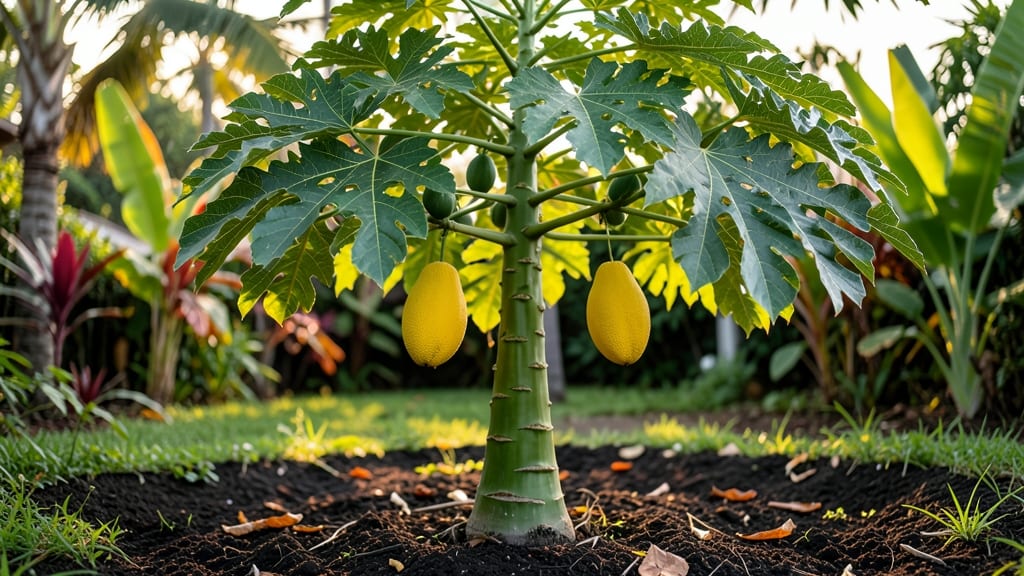
A papaya tree can grow anywhere from 10 to 30 feet tall—taller than most backyard fences and closer to a palm tree’s height in ideal conditions.
If you're dreaming of growing your own papayas but wondering whether your backyard—or even balcony—can handle the space, you’re not alone. Some varieties stay compact, while others stretch skyward, making this tropical fruit a space-planning challenge for home gardeners.
The height difference comes down to variety: dwarf types like 'SunUp' max out around 6–8 feet, while standard varieties like 'Solo' can soar to 20 feet or more.
Whether you're working with a small patio or a sprawling garden, knowing these ranges helps you pick the right fit for your space.
Below, I’ll break down how to choose the perfect papaya for your layout, including pruning tips to keep even the tallest varieties manageable. Ready to grow your own 🍈? Let’s get started.

Papaya tree height by variety: dwarf vs giant growth comparisons
Papaya trees are tropical wonders that can transform your garden into a tropical paradise—but their size varies dramatically. While some varieties stay compact enough for balconies, others grow tall enough to rival palm trees. Understanding these differences is key to planning your space and ensuring your papaya thrives.
Whether you have a sprawling backyard or a cozy patio, choosing the right variety can make all the difference in your gardening success.
Most papaya trees fall into two broad categories: dwarf varieties (ideal for small spaces) and giant varieties (better suited for larger gardens). The height of your papaya tree isn’t just about aesthetics—it impacts everything from sunlight exposure to pruning needs.
For example, a 6-foot dwarf like 'SunUp' fits perfectly in containers, while a 20-foot giant like 'Solo' requires ample ground space and strong support. Let’s break down the specifics so you can pick the perfect fit for your garden.
| Variety | Mature Height | Growth Habit | Space Needs | Best For |
|---|---|---|---|---|
| 'SunUp' | 6-8 ft | Compact, bushy | Containers, small gardens | Balconies, urban gardens |
| 'Red Maradol' | 8-12 ft | Upright, moderate spread | Medium-sized yards | Home gardens, tropical climates |
| 'Solo' | 15-20 ft | Tall, fast-growing | Large open spaces | Rural gardens, farms |
| 'Kapoho Solo' | 10-15 ft | Semi-dwarf, sturdy | Backyards, patio areas | Subtropical regions |
| 'Golden Honey' | 12-18 ft | Tall, spreading canopy | Spacious gardens | Tropical landscapes |
The 'SunUp' variety is a game-changer for small-space gardeners. Standing just 6-8 feet tall, it’s perfect for containers and balconies, making it ideal for urban dwellers or those with limited yard space.
This variety also matures quickly, often producing fruit within 6-9 months, so you won’t have to wait long for rewards. Its compact size means it requires less pruning, though you’ll still want to trim any leggy growth to encourage bushiness and better fruit production.
On the other end of the spectrum, the 'Solo' papaya tree can reach 15-20 feet tall, making it a statement piece in larger gardens.
These giants grow rapidly—sometimes adding 2-3 feet per year—so they’re best suited for open, sunny areas where they can spread their wide canopies without crowding other plants.
If you’re growing 'Solo' in your yard, plan for strong support like stakes or a trellis, especially in windy areas, to prevent toppling. Their height also means they’ll need more frequent pruning to manage size and shape.
For those in between, varieties like 'Red Maradol' and 'Kapoho Solo' offer a middle ground. 'Red Maradol' typically grows to 8-12 feet, making it versatile for medium-sized gardens or even large containers.
Meanwhile, 'Kapoho Solo' stands at 10-15 feet, striking a balance between manageable height and robust fruit production. Both varieties thrive in warm climates and can be grown in USDA Zones 10-12, though they may need container relocation in cooler months.
When planning your papaya’s location, consider not just height but also spread. Even dwarf varieties like 'SunUp' can develop a 4-5 foot spread, while larger trees like 'Solo' may extend 10 feet or more from the trunk.
This means you’ll need to space them accordingly—at least 6 feet apart for dwarf varieties and 10-15 feet apart for giants—to ensure proper airflow and sunlight penetration. Crowding can lead to disease, poor fruit quality, and even stunted growth, so give your papaya the room it needs to shine.
If you’re growing papayas in containers, focus on dwarf or semi-dwarf varieties like 'SunUp' or 'Kapoho Solo'. Use pots that are at least 18-24 inches deep and wide, with drainage holes to prevent root rot.
Remember, container-grown papayas will need more frequent watering and fertilization, as nutrients wash out faster in pots. Place your container in a sunny spot—papayas crave 6+ hours of direct sunlight daily—and rotate it occasionally to ensure even growth.
One question I often get is whether papaya trees grow upright or sprawling. The answer depends on the variety and growing conditions. Most papayas have a central trunk with a spreading canopy, but their growth habit can be influenced by pruning.
For example, if you prune the lower branches of a dwarf variety, you can encourage a more upright, tree-like shape, which is great for small spaces. Conversely, leaving branches unpruned will result in a bushier, wider tree. Experiment with pruning to tailor your papaya’s shape to your garden’s layout.
Finally, don’t forget that papaya trees are not frost-tolerant. If you live in a cooler climate, opt for dwarf varieties and grow them in containers that you can move indoors or to a greenhouse during cold snaps.
Even a brief frost can kill your tree, so always have a plan for protecting it when temperatures dip below 40°F. With the right variety and care, your papaya tree—whether it’s a petite 'SunUp' or a towering 'Solo'—will reward you with delicious fruit and lush foli
How to choose the right papaya variety for your space
Choosing the right papaya variety depends entirely on your available space and climate conditions. If you're working with a small balcony or container garden, dwarf varieties like 'SunUp' or 'Red Maradol' are ideal—they top out at 6-8 feet and thrive in 5-gallon containers.
Meanwhile, larger gardens can accommodate full-size varieties like 'Solo' or 'Kapoho', which reach 15-20 feet and require 10+ feet of clearance.
Your local climate also plays a critical role. Papayas need warmth year-round (USDA Zones 10-12) or container mobility to move indoors during cooler months. In cooler microclimates, opt for heat-tolerant dwarf varieties or grow them in greenhouses to extend the growing season.
Even in ideal climates, wind protection is key—tall varieties can topple in storms.
🌱
Papaya Tree Height by Variety
💡 Pro Tip: Dwarf varieties fruit faster (6-9 months) vs. standard types (12-18 months).
For urban gardeners, container size matters just as much as variety. A 15-gallon pot can support a dwarf papaya for 2-3 years before needing repotting, while larger trees require 200+ gallons of soil to prevent root binding.
If space is tight, choose sprawling varieties like 'Golden Honey', which grow wider rather than taller, making them perfect for trellis training or espalier techniques.
Don’t overlook fruit size when selecting a variety—larger trees often produce heavier papayas (up to 20 lbs), while dwarfs yield smaller but sweeter fruits (typically 1-3 lbs). If you’re growing for personal use, a dwarf may suffice, but commercial growers need full-size trees for higher yields.
Always check pollination needs too—some varieties are self-pollinating, while others require cross-pollination from a second tree.
Finally, consider your harvest timeline. Dwarf varieties like 'SunUp' bear fruit in 6-9 months, while larger trees take 12-18 months to mature. If you’re in a short growing season, prioritize fast-maturing dwarfs or use grow lights to extend daylight hours.
With the right variety, even a balcony garden can yield homegrown papayas—just plan for their space needs upfront!
🌿