
Size
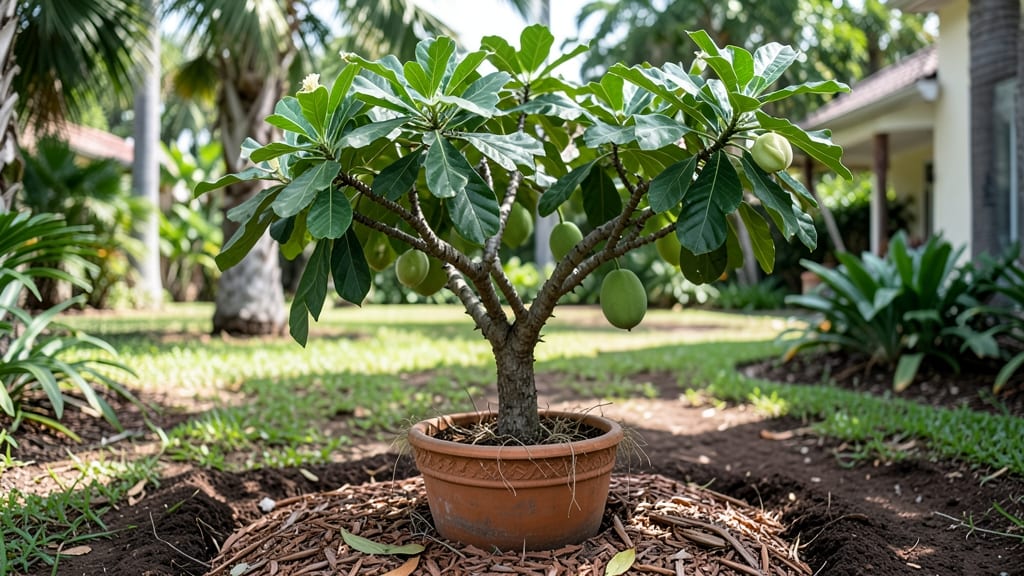
Growing a soursop guanabana tree to harvest this unique tropical fruit at home means bringing a taste of the Caribbean straight to your patio—if you nail the humidity and heat. 🌴 I learned the hard way that these trees aren’t just picky; they demand consistent conditions that mimic their Caribbean homeland.
The secret lies in replicating their natural environment, whether you’re in Florida or a sunny California backyard.
Start with fresh seeds (never dried) planted in a well-draining, airy mix of peat moss and perlite. Keep the soil moist but never soggy—root rot is the silent killer of young guanabana trees.
A greenhouse or clear plastic dome creates the perfect humidity cocoon for those first few months, and trust me, the difference is night-and-day growth.
By year two, you’ll see glossy, deep-green leaves and maybe even a few small fruits if you’ve got the climate right. The real magic happens when the tree matures—creamy-white flowers bloom at night, pollinated by bats, and transform into those custard-like fruits we all crave.
Patience pays off with harvests that taste like tropical heaven.
Even in cooler zones, container growing works—just move your tree indoors before frost. The key is never letting it dry out or get chilly drafts. With the right care, your guanabana tree could be fruiting in 3-5 years, giving you homegrown tropical treats year-round.
Root Causes of Soursop Struggles
Growing a soursop (Annona muricata) tree at home can be incredibly rewarding—but it’s not without its challenges. If your guanabana tree isn’t thriving, the issue likely stems from one (or more) of these five common biological and environmental factors.
Understanding the why behind the problem is the first step to fixing it.
Soursop trees are tropical natives, meaning they demand warmth and humidity year-round. If your tree is struggling, it’s probably dealing with one of these temperature-related issues:
- Cold Sensitivity: Guanabana trees cannot tolerate frost—even brief exposure to temps below 50°F (10°C) can cause leaf drop, stunted growth, or death.
If you’re in a cooler climate, this is the #1 culprit. - Actionable fix: Grow in USDA Zones 10-11 (or indoors in pots with grow lights).
Use row covers in mild winters or move potted trees to a garage/sunroom. - Pro tip: 🌡️ Monitor soil temp—roots suffer in cold soil even if air temps are mild.
- Heat Stress: While soursops love heat, intense sun (above 95°F/35°C) without shade can scorch leaves, leading to yellowing or crispy edges.
- Actionable fix: Provide partial shade (30-50% sunlight) during peak afternoon heat. Drip irrigation helps cool roots.
Soursops are heavy feeders but hate soggy or nutrient-poor soil. Common soil-related issues include:
- Poor Drainage: Guanabana trees rot quickly in waterlogged soil. Compacted or clay-heavy soils trap moisture, suffocating roots. - Actionable fix: Amend soil with perlite, coconut coir, or sand to improve aeration.
Plant in mounds to encourage drainage. - Pro tip: 💡 Test your soil’s pH—ideal range is 6.0-7.0. Too acidic (below 5.5) locks out nutrients.
- Nutrient Deficiencies: Yellow leaves (especially older ones) often signal nitrogen deficiency, while purple stems or small leaves may mean phosphorus or potassium lack.
- Actionable fix: Use a balanced tropical fruit fertilizer (e.g., 6-6-6 or 8-3-9) every 4-6 weeks during growing season. Banana peels (rich in potassium) buried near roots can help.
Soursops need consistent moisture but are extremely sensitive to drought or overwatering. Here’s how to spot the problem:
- Underwatering: Drooping leaves, crispy edges, and leaf curl are classic signs. Guanabana trees cannot store much water—they wilt fast when dry. - Actionable fix: Water deeply 2-3 times per week (more in heatwaves).
Use mulch to retain moisture. - Pro tip: 🌱 Check soil moisture—stick your finger 2 inches deep. If dry, water immediately.
- Overwatering: Yellowing leaves, mushy stems, or root rot (black, smelly roots) mean your tree is drowning.
- Actionable fix: Let the top 3 inches of soil dry out between waterings. Ensure pots have drainage holes.
Tropical pests and fungi love soursop trees—but these issues often go unnoticed until it’s too late.
- Common Pests:
- Scale insects (sticky residue on leaves) or mealybugs (cottony white clusters) sap nutrients.
- Actionable fix: Spray with neem oil or insecticidal soap weekly until pests vanish.
- Root-knot nematodes (microscopic worms) cause stunted growth and gnarled roots.
- Actionable fix: Solarize soil (cover with plastic for 4-6 weeks) or plant in sterile potting mix.
- Fungal Diseases:
- Anthracnose (dark spots on leaves/fruit) thrives in humid conditions.
- Actionable fix: Prune infected leaves and apply copper fungicide preventatively.
- Root rot (from overwatering) turns leaves yellow then brown.
- Actionable fix: Repot in fresh, dry mix and reduce watering.
- Anthracnose (dark spots on leaves/fruit) thrives in humid conditions.
If your soursop tree was recently planted or grafted, it may be struggling from:
- Root Disturbance: Moving a mature tree (even in pots) can sever fine roots, slowing growth. - Actionable fix: Water deeply before transplanting.
Use root stimulator (like mycorrhizal fungi) to aid recovery. - Graft Failure: If grafted (common for dwarf varieties), the scion (top plant) may die if the rootstock is incompatible or poorly healed. - Actionable fix: Ensure the graft union is tight and healthy.
If the top dies, regraft or propagate from cuttings.
Key Takeaway: Most soursop growing problems boil down to climate mismatch, soil issues, water stress, or pests. Once you identify the real cause, fixing it is straightforward—just adjust one variable at a time! 🚀
Quick Fixes for Common Guanabana Growing Struggles
Growing a soursop (guanabana) tree at home is a rewarding but sometimes tricky journey—especially when pests, diseases, or environmental hiccups threaten your tropical treasure. 🌱🛡️ Below, we break down practical, step-by-step solutions for the most common issues, paired with prevention tips to keep your tree thriving.
No green thumb required—just follow along!
Problem: Mealybugs, aphids, or fruit flies are sucking the life out of your leaves or fruit. Fix It Fast:
- 🔥 Spray with Neem Oil (1 tsp neem oil + 1 tsp mild soap + 1 quart water). Apply at dusk to avoid harming bees. Repeat every 5–7 days until pests vanish.
- 🍳 Homemade Garlic Spray: Blend 3 garlic cloves with 1 liter of water, strain, and spray directly on infested areas. Garlic’s sulfur compounds repel pests naturally.
- 👨🍳 Physical Removal: For stubborn pests, wipe leaves with a damp cloth dipped in 70% isopropyl alcohol (test a small area first to avoid leaf burn).
💡 Prevention Tips:
- 🌡️ Inspect New Plants: Quarantine new guanabana seedlings for 2 weeks before introducing them to your garden.
- ✨ Encourage Beneficial Insects: Plant marigolds or basil nearby to attract ladybugs and lacewings, which devour pests.
- 🎯 Prune Regularly: Remove yellowing or damaged leaves to reduce hiding spots for bugs.
Problem: Your guanabana’s leaves are turning yellow—is it too much water, or is your tree hungry? Diagnose & Fix:
| Symptom | Cause | Solution |
|---|---|---|
| Yellowing from bottom up | Overwatering | ⏰ Reduce watering to every 7–10 days (let top 2 inches of soil dry out). Drainage holes? Add perlite to pots. |
| Yellow with brown edges | Underwatering | 💧 Water deeply 2–3 times a week (adjust for humidity). Mulch with straw to retain moisture. |
| Pale green/yellow leaves | Nitrogen deficiency | 🍽️ Fertilize with a balanced tropical fertilizer (10-10-10) every 2 months. For a quick fix, use fish emulsion (diluted to 1 tbsp/gallon). |
💡 Prevention Tips:
- 🌱 Test Your Soil: Use a pH test kit—guanabana trees thrive in slightly acidic soil (pH 5.5–6.5). Amend with peat moss if needed.
- 🥗 Avoid Over-Fertilizing: Too much nitrogen = lush leaves but fewer fruits. Stick to half-strength fertilizer during flowering/fruiting stages.
Problem: Your tree has flowers but no soursop fruits—or the flowers drop too soon. Fix It:
- 🐝 Hand-Pollinate: Guanabana trees rely on bees and bats for pollination. If you’re in a low-pollen area, gently brush flowers with a soft paintbrush to transfer pollen.
- 🌿 Adjust Care for Fruiting:
- ⏰ Water consistently (drought stress = dropped flowers).
- 🍎 Reduce nitrogen (shift to a phosphorus-rich fertilizer, like 5-10-10, to encourage fruiting).
- 🌡️ Protect from cold drafts—guanabana trees hate temps below 60°F (15°C). Move potted trees indoors if frost is forecasted.
💡 Prevention Tips:
- 🎯 Plant Companion Flowers: Banana trees or hibiscus attract pollinators to your guanabana.
- 🔥 Prune Strategically: Remove suckers (shoots at the base) to redirect energy to fruit production.
Problem: Your guanabana is growing tall but weak, with sparse leaves. Fix It: - ☀️ More Sunlight: Guanabana trees need 6+ hours of direct sun daily.
If indoors, place near a south-facing window or use grow lights. - 🍽️ Fertilize for Growth: Switch to a potassium-heavy fertilizer (like 5-5-10) to strengthen stems. - 🌿 Repot if Root-Bound: Check for roots circling the pot. Repot every 2–3 years in a larger container with fresh potting mix.
💡 Prevention Tips:
- 🌡️ Maintain Warmth: Guanabana trees won’t thrive below 65°F (18°C). Use a heating mat in winter if growing indoors.
- 🌱 Start with Strong Seedlings: Buy 1–2 year-old nursery-grown trees (vs. seeds) for faster, healthier growth.
Problem: Black spots, mold, or oozing stems signal anthracnose, powdery mildew, or bacterial blight. Fix It: - 🍳 Baking Soda Spray: Mix 1 tsp baking soda + 1 quart water + a drop of soap.
Spray every 7 days for powdery mildew. - 🔪 Prune Infected Areas: Cut off blackened leaves or stems with sterilized scissors (wipe with rubbing alcohol between cuts). - 🌿 Improve Airflow: Space plants 3–4 feet apart outdoors or thin crowded branches indoors.
💡 Prevention Tips:
- 🌡️ Water at the Base: Avoid wetting leaves to prevent fungal spores from taking hold.
- ✨ Copper Fungicide: Use organic copper spray as a preventative during rainy seasons.
Guanabana trees can take 3–5 years to bear fruit, but with these fixes, you’ll diagnose issues fast and keep your tree happy. Track progress with a simple journal:
- 📊 Note watering/fertilizing dates
- 🍃 Monitor leaf color changes
- 🐝 Track pollination success
With a little TLC, your tropical oasis will soon be heavy with creamy, custard-like soursop fruits—worth every effort! 🥭✨
Frequently asked questions about growing soursop trees
How long does it take for a guanabana tree to produce fruit?
With ideal conditions, a soursop tree typically takes 3-5 years to bear fruit from seed. If you start with a grafted nursery tree (1-2 years old), you might see fruits in just 1-2 years. Patience is key—these tropical trees need time to establish strong roots and mature.
Can I grow a soursop tree indoors?
Yes, but it requires careful attention to light and humidity. Place your potted tree near a south-facing window (or use grow lights for 12+ hours/day) and maintain 70-80% humidity with a humidifier or pebble tray. Keep temps above 65°F (18°C)—they won't tolerate drafts or cold windows.
What's the best way to propagate soursop trees?
The easiest method is from fresh seeds—remove them from ripe fruit, rinse, and plant ½-inch deep in moist potting mix. For faster results, try air layering (wrapping a branch in damp moss) or grafting (best for dwarf varieties). Avoid dried seeds—they won't sprout well.
Why are my guanabana leaves turning yellow?
Yellow leaves usually mean overwatering (check for soggy soil) or nutrient deficiency. If bottom leaves yellow first, reduce watering. For pale yellow leaves, fertilize with a balanced tropical mix (like 6-6-6). Always ensure proper drainage—root rot is a common killer.
How do I protect my soursop tree from pests?
Start with neem oil spray (mix 1 tsp oil + 1 tsp soap + 1 quart water) weekly to deter mealybugs and scale. For prevention, plant marigolds nearby (they repel pests naturally) and keep your tree healthy with proper watering and fertilizer. Avoid chemical pesticides—they can harm the tree's delicate leaves.