
How To
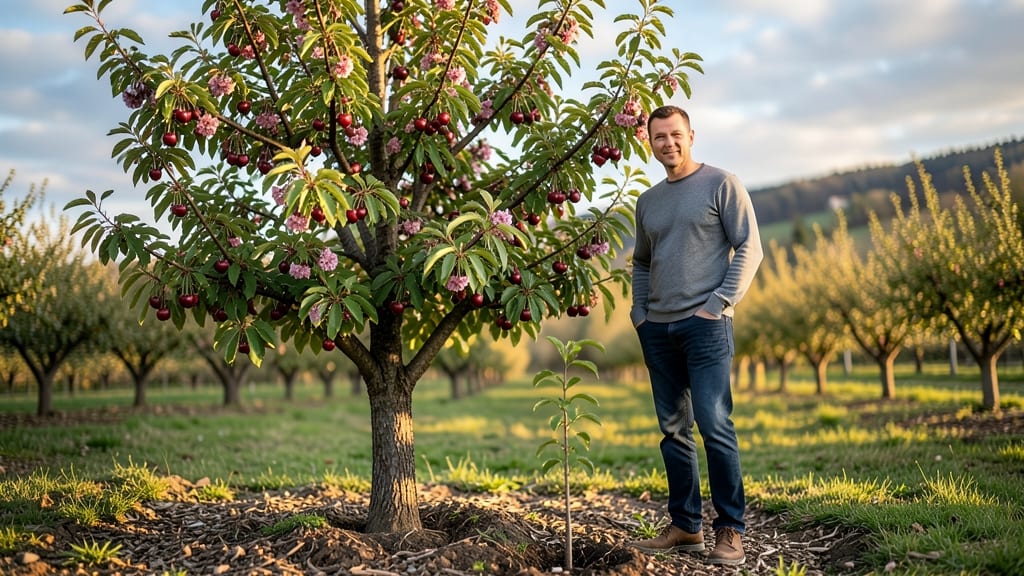
How tall can a cherry tree grow? It can range anywhere from 6 feet to a towering 50 feet or more, depending on the variety you choose.
Dreaming of a cherry tree in your backyard but worried it’ll outgrow your space? The height of a cherry tree can vary dramatically—from tiny dwarf varieties perfect for containers to towering giants that need acres of room.
If you’re a home gardener with limited space, you’ll love the compact options like the 'Stella' cherry, which stays under 12 feet tall. On the other hand, traditional varieties like 'Black Tartarian' can reach heights of 30 to 50 feet, making them more suited for large estates or orchards.
In this guide, you’ll discover how to pick the right size for your garden, the factors that influence growth, and even how to manage a cherry tree’s height with pruning. Let’s get started!

Cherry tree height by variety: dwarf, semi-dwarf, and standard sizes explained
Choosing a cherry tree often comes down to one critical question: how tall can a cherry tree grow? The answer depends entirely on the variety you select, as cherry trees range from compact dwarf varieties perfect for small yards to towering standard trees that need acres of space.
Understanding these differences helps you pick the perfect fit for your garden or patio.
Whether you're dreaming of a sweet cherry tree for fresh snacks or a sour cherry tree for preserves, size matters. A dwarf cherry tree might reach just 6-12 feet, while a standard variety can soar to 30-50 feet or more.
Let’s break down the options so you can make an informed choice that matches your space and goals.
If you're working with limited space, a dwarf cherry tree like 'Stella' is an excellent choice. These varieties are grafted onto dwarfing rootstock, which restricts their growth while maintaining fruit production. They’re ideal for container gardening or small urban yards where space is at a premium.
'Stella' cherry trees, for example, typically stay under 10 feet tall, making them perfect for patios or even large pots. Their compact size doesn’t compromise fruit quality—you’ll still enjoy sweet, juicy cherries without the commitment of a full-sized tree.
Just ensure they get 6+ hours of sunlight daily for optimal growth.
For a balance between manageable size and traditional cherry tree stature, consider a semi-dwarf variety. These trees mature between 15 and 25 feet, making them suitable for most residential backyards.
Varieties like 'Lapins' (a sweet cherry) or 'Montmorency' (a sour cherry) thrive in this height range and are easier to maintain than their standard counterparts.
Semi-dwarf trees often require less aggressive pruning than standard varieties, but they still benefit from regular care to keep their shape and encourage fruit production. Their moderate height makes them accessible for harvesting and ideal for creating a fruit-bearing focal point in your garden.
On the other end of the spectrum, standard cherry trees are the classic choice for large properties or orchards. These varieties can reach heights of 30 feet or more, with some like 'Bing' or 'Rainier' even exceeding 50 feet.
While their impressive stature makes them stunning landscape features, they require ample space and regular pruning to manage their size.
Standard trees are best suited for rural settings or properties with open land. If you’re growing them in a home garden, plan for 15–20 feet of clearance around the tree to accommodate its mature height and spread.
Their larger size also means they produce more fruit, making them ideal for commercial orchards or serious hobbyists.
One common misconception is that all cherry trees grow to the same height. In reality, the rootstock plays a huge role in determining size. Dwarf and semi-dwarf varieties are grafted onto rootstock that naturally limits growth, while standard trees use more vigorous rootstock.
Understanding this helps you avoid surprises down the line.
Before planting, measure your space and consider future growth. A 6-foot dwarf cherry tree today could still need pruning as it matures, while a 30-foot standard tree will dominate your landscape. Choose wisely to ensure your cherry tree thrives without outgrowing its welcome.
How to choose the right cherry tree height for your garden space
Selecting the perfect cherry tree height for your garden starts with understanding your space and needs. A 25-foot standard cherry tree looks stunning in a spacious yard, but a 10-foot dwarf variety could be your best bet for smaller gardens or containers.
Your yard’s dimensions, sunlight exposure, and intended use—whether for ornamental beauty, fruit production, or container gardening—will guide your decision.
Before choosing, measure your garden’s open space and consider overhead obstructions like power lines or neighboring structures. A semi-dwarf cherry tree (15-25 feet) fits well in suburban yards, while standard varieties thrive in rural settings with ample room.
For urban gardens or patios, dwarf cherries (6-12 feet) are ideal. Let’s break down how to match your space to the perfect cherry tree height.
Cherry Tree Height Guide by Garden Type
- Small Urban Yards or Patios: Dwarf varieties (6-12 ft) like 'Stella' or 'Balaton' fit perfectly in 5x5 ft containers or tight spaces.
- Suburban Backyards: Semi-dwarf varieties (15-25 ft) like 'Lapins' or 'Montmorency' need 15-20 ft spacing from structures.
- Rural or Large Properties: Standard varieties (25-40+ ft) like 'Black Tartarian' or 'Bing' require 25+ ft spacing and open skies.
- Container Gardening: Dwarf or semi-dwarf cherries thrive in 15-gallon pots with proper drainage and support.
- Ornamental Landscaping: Pyramidal or weeping varieties (12-20 ft) add visual interest without overwhelming small gardens.
Sunlight exposure is another critical factor. Cherry trees require 6+ hours of full sun daily to reach their full height potential. If your garden has partial shade, opt for a dwarf or semi-dwarf variety, as they adapt better to 4-6 hours of sun.
For fruit-bearing trees, ensure they receive direct sunlight to produce sweet, flavorful cherries. Shade-tolerant varieties like 'Meteor' (dwarf) are great for morning sun and afternoon shade.
Consider your long-term goals when selecting a height. If you plan to harvest cherries, standard or semi-dwarf varieties yield more fruit, but they require ladders or pruning for easy picking. Dwarf trees produce smaller harvests but are perfect for balcony gardens or small orchards.
For ornamental purposes, focus on the tree’s shape and flowering season—some varieties bloom earlier and create stunning spring displays.
Proper spacing ensures your cherry tree grows healthily without crowding other plants. Follow these minimum spacing guidelines:
- Dwarf varieties: 8-10 ft from structures or other trees
- Semi-dwarf varieties: 15-20 ft from structures or other trees
- Standard varieties: 25-30 ft from structures or other trees
Don’t overlook the role of pruning and training in managing height. Even standard cherry trees can be kept smaller with annual pruning to remove suckers and water sprouts.
For dwarf trees, prune lightly to encourage bushier growth and better fruit production. Always prune in late winter or early spring before new growth begins.