
How To
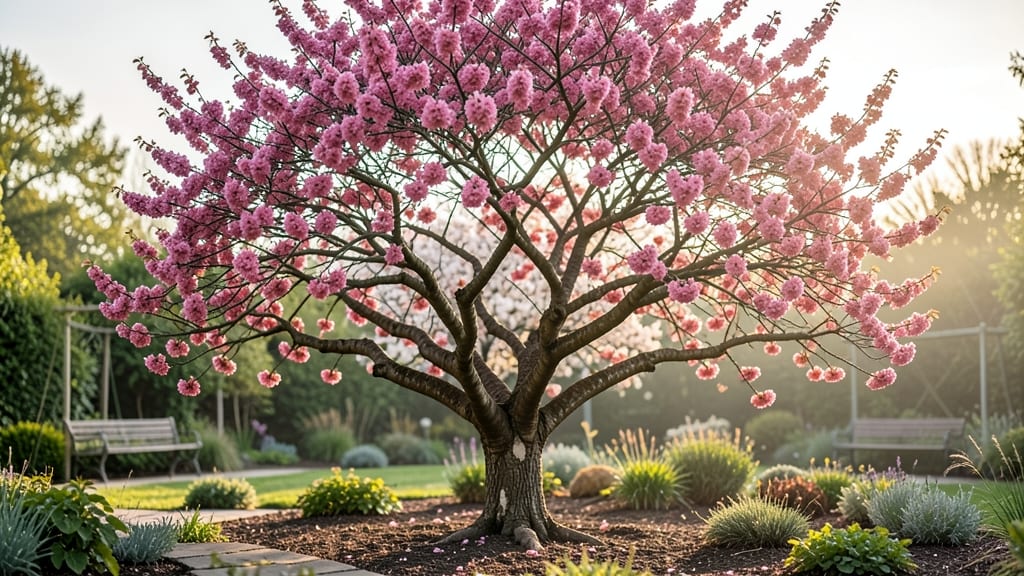
How tall does a cherry tree grow? The height of a mature cherry tree can vary dramatically—from a compact dwarf variety to a towering shade giant—depending on the species, pruning habits, and sunlight exposure.
Wondering if that stunning cherry tree you’ve been eyeing will fit in your backyard? The height of a mature cherry tree can vary dramatically—from a compact dwarf variety to a towering shade giant—depending on the species, pruning habits, and sunlight exposure.
Standard sweet cherry trees, like the classic Bing or Rainier, can soar to 20-30 feet, while tart cherry varieties often hit 30-40 feet. Dwarf varieties, on the other hand, stay between 8-12 feet, making them perfect for smaller spaces or container gardening.
Below, I’ll break down the height ranges by variety, how sunlight affects growth, and practical tips to manage size—so you can choose the perfect cherry tree for your space and enjoy its beauty (and fruit!) for years to come.

Cherry tree height by variety: dwarf to giant species compared
Choosing the right cherry tree for your space starts with understanding their mature heights. Some varieties stay compact enough for small yards, while others grow tall enough to rival your house.
The average cherry tree height ranges from just 8 feet for dwarf varieties to over 40 feet for giant species. Knowing these differences helps you pick a tree that fits your landscape goals—whether you want shade, fruit, or ornamental beauty.
Sweet cherries, tart cherries, and ornamental cherries each have distinct height profiles. For example, the Stella® cherry stays under 10 feet tall, making it perfect for urban gardens, while the Black Tartarian cherry can reach 30 feet or more, requiring ample yard space.
Let’s break down the most popular varieties by their mature heights and growth habits to help you decide.
🌱 Visual Tip: Use the comparison table below to visualize how each variety stacks up against your home or patio furniture!
Dwarf cherry trees like the Stella® or North Star® are ideal for gardeners with limited space. These varieties typically mature between 8 and 12 feet tall, making them perfect for patios, small backyards, or even large containers.
Their slower growth rate also means less pruning over time, which is a bonus for busy gardeners. If you’re dreaming of a cherry tree in a pot, these are your best bets!
For those with larger properties, standard varieties like the Black Tartarian or Shirofugen will give you that classic cherry tree experience. These giants can reach 30 to 40 feet tall, providing ample shade and stunning spring blooms.
Just be prepared for their rapid growth—some varieties can add 2 to 3 feet per year in ideal conditions. Planting them near your home’s foundation or power lines isn’t recommended unless you’re committed to regular pruning.
Ornamental cherries, such as the Kanzan® or Shirofugen, are prized for their showy pink or white blossoms rather than fruit. While they can grow tall, their height is often balanced by their wide, spreading canopies.
This makes them excellent choices for landscape focal points or as accent trees in larger gardens. Just ensure you have enough space for their mature spread, which can be just as impressive as their height.
If you’re torn between varieties, consider your
How sunlight exposure affects cherry tree growth and height
Sunlight is the single most critical factor determining how tall your cherry tree will grow. While some varieties naturally stay compact, most standard cherry trees reach 20-40 feet when planted in full sun—whereas partial shade can stunt growth by 30-50%.
The difference isn’t just in height; sunlight exposure directly impacts fruit production, bloom intensity, and even disease resistance.
For example, sweet cherry trees like Bing or Stella need 6-8 hours of direct sunlight daily to develop their signature flavor and vibrant blossoms. In contrast, dwarf varieties (like 'Compact Stella') tolerate partial shade better but still thrive with 4-6 hours of sun.
Understanding these needs helps you choose the right spot—and prevents disappointment when your tree grows taller (or shorter) than expected.
| Sunlight Needs | Growth Impact | Height Variation | Fruit Quality |
|---|---|---|---|
| Full Sun (6-8+ hrs) | Maximizes growth rate; 20-40 ft for standard trees | +50% height vs. partial shade | Sweetest fruit; vibrant blooms |
| Partial Shade (4-6 hrs) | Slower growth; 12-25 ft for standard trees | -30-50% height reduction | Smaller fruit; fewer blooms |
| Dwarf Varieties (4-6 hrs) | Compact growth; 8-12 ft max | Ideal for small yards | Good fruit quality with 5+ hrs sun |
If you’re planting a tart cherry tree (like Montmorency), full sun is non-negotiable—these trees need it to develop their signature tangy flavor and prevent bacterial canker, a common disease in shaded conditions.
Even ornamental cherry trees (like Yoshino) rely on sunlight to produce their stunning spring blooms. Without enough light, branches may become leggy, and flowers will be sparse.
Pro tip: Morning sun is ideal for cherry trees—it reduces stress from afternoon heat while still providing the 6+ hours of light they crave. If your yard has afternoon shade, plant your tree on the east side of structures to maximize sunlight exposure.
For container-grown cherries, rotate the pot weekly to ensure even growth and prevent lopsided height development.
Remember, young cherry trees (under 3 years old) are especially sensitive to light deprivation. If you notice new growth stretching toward light sources or leaves turning pale yellow, your tree is begging for more sun.
In these cases, consider transplanting to a sunnier spot or supplementing with a grow light during winter months when daylight is limited.
For dwarf varieties, partial shade is more forgiving, but don’t assume they’ll thrive without any sun. Even these compact trees benefit from at least 4 hours of direct light daily.
Without it, their growth may become stunted, and fruit production will suffer. Think of sunlight as the fuel for your cherry tree’s height—and its future harvest of sweet, juicy cherries.