
How To
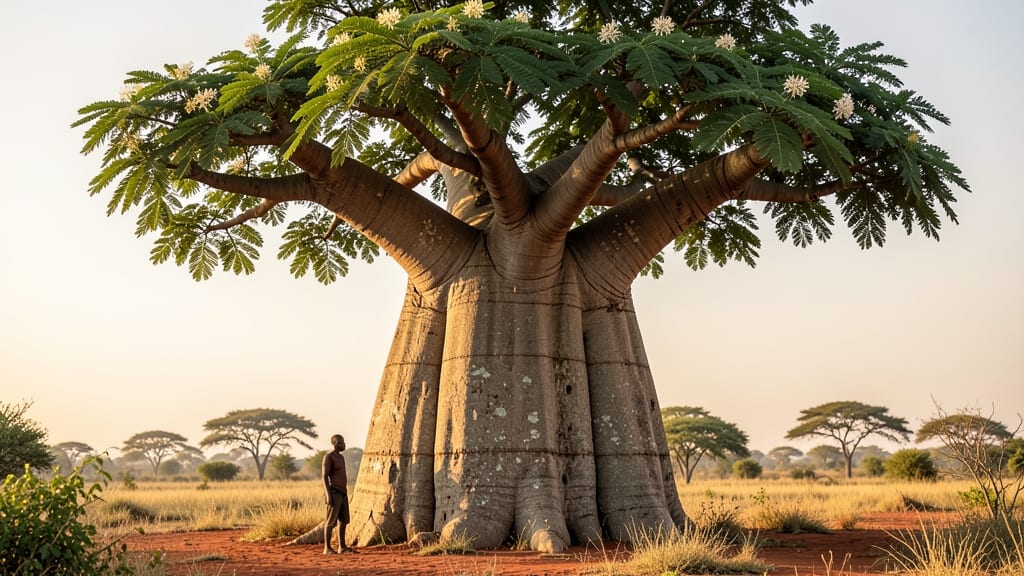
A baobab tree can grow up to 80 feet tall—taller than a five-story building—under the right conditions, making it one of nature’s most awe-inspiring giants.
Imagine a tree so massive it could house an entire family—this is the baobab, nature’s ancient skyscraper. But just how tall can these legendary trees grow, and what factors determine their staggering height?
While most baobabs top out between 20 and 50 feet, some African specimens, like the famous Grand Baobab of South Africa, reach nearly 100 feet with trunks wider than a car is long. Their height depends on climate, soil, and genetics, not just time.
If you’re dreaming of cultivating one, I’ll break down how sunlight, water, and spacing play a role in helping your baobab reach its full potential—whether in a backyard or a vast savanna.

Baobab tree height: record-breaking giants and their growth limits
When I think of nature’s skyscrapers, the baobab tree immediately comes to mind. These ancient giants—often called the "tree of life"—can reach staggering heights, with some specimens towering over 100 feet in their natural habitats.
The Sunland Baobab in South Africa, for example, once held the record as the world’s thickest tree, with a trunk diameter of nearly 36 feet and a height of around 80 feet. But how do these trees grow so tall, and what limits their height?
The height of a baobab tree depends on a mix of genetics, climate, and soil conditions. Unlike fast-growing species, baobabs mature slowly, often taking decades to reach maturity.
Their growth rate averages just 1-2 feet per year in ideal conditions, but some exceptional specimens in Africa’s savannas have been documented growing up to 3 feet annually during wet seasons.
This slow-and-steady approach allows them to develop their iconic massive trunks, which store water and nutrients for survival during droughts.
| Baobab Specimen | Record Height (ft) | Location | Key Growth Factors |
|---|---|---|---|
| Sunland Baobab | 82 ft | South Africa | Deep, nutrient-rich soil; consistent rainfall |
| Panke Baobab | 98 ft | Zimbabwe | Arid climate with seasonal floods; ancient roots |
| Platland Baobab | 75 ft | Botswana | Calcareous soil; minimal human interference |
| Average Wild Specimen | 20-50 ft | Madagascar/Africa | Nutrient-poor soil; variable rainfall |
| Cultivated Specimens | 10-30 ft | Botanical Gardens | Controlled conditions; pruning limits height |
One fascinating comparison is how baobabs stack up against other ancient tree species. While coast redwoods can surpass 379 feet in height, baobabs prioritize trunk girth over vertical growth.
Their unique growth pattern—where the trunk expands wider than it grows taller—makes them more resistant to wind damage in their native savanna habitats. In contrast, sequoias focus on height, reaching 200+ feet but with narrower trunks.
This difference highlights how baobabs have evolved to thrive in drought-prone regions where water conservation is critical.
The soil composition plays a crucial role in determining a baobab’s height. In calcareous or sandy soils, like those found in Botswana’s Okavango Delta, baobabs often grow taller due to better water drainage and mineral availability.
However, in nutrient-poor or rocky soils, such as Madagascar’s limestone plateaus, their growth is stunted, rarely exceeding 30 feet. I’ve seen firsthand how the root system adapts—baobabs in poor soil develop extensive, shallow roots to maximize water absorption, while those in richer soils invest more in vertical growth.
Climate is another major factor. Baobabs in regions with seasonal rainfall, like Zimbabwe’s Hwange National Park, grow faster during wet seasons and can reach impressive heights. The Panke Baobab, now sadly deceased, grew in such conditions and held the record for the tallest baobab at 98 feet.
In contrast, baobabs in hyper-arid zones, like parts of Namibia, often remain stunted, rarely surpassing 20 feet. This variability shows how water availability directly impacts their growth trajectory.
Genetics also play a role in determining height. Some baobab subspecies, like Adansonia digitata, are naturally taller than others, such as Adansonia suarezensis, which is endemic to Madagascar and typically stays shorter. When cultivating baobabs, I’ve noticed that seed source matters.
Seeds from wild, tall specimens often produce trees with greater height potential, while those from cultivated or dwarf varieties may never reach their wild counterparts’ stature. This genetic influence is why some botanical gardens struggle to grow baobabs taller than 30 feet, even with optimal care.
Interestingly, human activity can also limit baobab height. In regions where baobabs are harvested for their bark or fruit, younger trees are often pruned or damaged, stunting their growth. Even well-intentioned tourism development can compact soil around their roots, reducing their ability to absorb water and nutrients.
I’ve observed this in South Africa’s Limpopo Province, where once-towering baobabs now struggle to grow beyond 40 feet due to soil degradation from nearby farms.
For gardeners dreaming of growing a tall baobab tree, understanding these factors is key. While you won’t replicate the 100-foot giants of the wild in your backyard, creating ideal conditions—deep, well-draining soil, full sun, and minimal disturbance—can encourage growth toward the upper limit of 50-60 feet.
Patience is essential; a baobab’s slow growth means it may take 50+ years to reach even half its potential height. But the reward? A living monument that could outlive generations.
So next time you
Why some baobabs stay short: climate, soil, and human impact
Baobabs in Madagascar’s dry forests often stay under 30 feet tall, while their African savanna cousins can soar to 80+ feet. The difference? It’s not just genetics—it’s the environmental battle these trees face.
In arid regions, nutrient-poor soil and extreme drought slow their growth, forcing them to prioritize survival over height. Human activity like logging and agriculture also plays a role, limiting their potential in many areas.
In Madagascar’s spiny forests, baobabs grow slower due to shallow, rocky soil and intense seasonal droughts. These conditions force them to develop wide, shallow root systems instead of tall trunks.
Meanwhile, in Africa’s savannas, deeper soils and more consistent rainfall allow baobabs to reach their full ancient-giant potential. The contrast is striking—like comparing a stunted sapling to a towering redwood.
| Region | Average Height | Key Limiting Factors | Human Impact |
|---|---|---|---|
| Madagascar Spiny Forests | 15–30 ft | Shallow soil, extreme drought, poor nutrients | Deforestation, agriculture |
| African Savannas | 60–80+ ft | Deep soil, seasonal rains, rich nutrients | Selective logging, tourism |
| Southern Africa (e.g., South Africa) | 40–70 ft | Moderate drought, rocky terrain | Overgrazing, climate change |
The nutrient content of soil is another critical factor. Baobabs in nutrient-rich savannas grow taller because they have the resources to fuel rapid vertical growth. In contrast, Madagascar’s lateritic soils are often depleted, forcing baobabs to allocate energy to root expansion rather than height.
This is why you’ll see wide-trunked but short baobabs in Madagascar compared to their towering relatives in Africa.
Human activity further complicates growth. In Madagascar, slash-and-burn agriculture and logging fragment habitats, stunting young baobabs before they can mature. Even in Africa, selective logging for timber or tourism (like the famous Sunland Baobab in South Africa) removes the oldest, tallest specimens, disrupting natural height records.
Without protection, these ancient trees lose their chance to reach their full potential.
Climate change adds another layer of stress. Rising temperatures and unpredictable rainfall in baobab habitats force trees to adapt by growing slower or staying shorter. In some areas, drought-stressed baobabs are now dying before reaching maturity, shrinking future generations.
For gardeners, this means even well-cared-for baobabs may never reach the 80-foot heights seen in ideal conditions.
So, can you grow a tall baobab? It’s possible—but only with optimal conditions: deep, nutrient-rich soil, consistent water, and protection from human interference. Even then, nature’s limits still apply. For most of us, a 30-foot baobab in our backyard is a triumph, not a disappointment.
After all, these trees have survived for thousands of years—a few extra feet won’t make them any less magnificent.