
How To
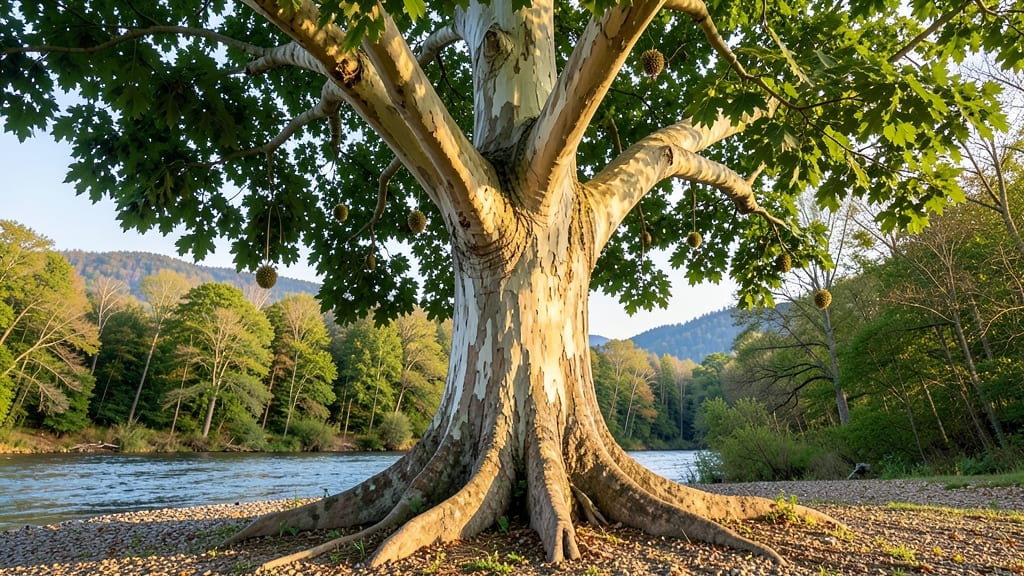
A sycamore tree can grow how tall does a sycamore tree grow to 60 to 100 feet at maturity, towering over your landscape like a natural skyscraper 🌳—but whether it hits that mark depends on where you live, your soil, and how you care for it.
If you’ve ever imagined a backyard giant that offers shade for generations, you’re not alone. Sycamores are one of the fastest-growing trees in North America, adding 3 to 5 feet per year when conditions are right.
But urban planting, poor soil, or aggressive pruning can stunt its growth—or even turn it into a manageable specimen with the right techniques.
From riverbanks in the Southeast to city streets in the Northeast, sycamores adapt surprisingly well, though their final height varies wildly by region. In deep, moist soils, they’ll stretch toward the sky; in dry or compacted urban soil, they might stay closer to 50 feet.
Below, we’ll break down the science of sycamore growth, regional differences, and how to shape—or contain—its impressive stature.
Whether you’re planning a shade masterpiece or just curious about this iconic tree’s potential, you’ll discover how to give your sycamore the best shot at reaching its full height—or how to keep it in check if space is tight.

Sycamore tree height by species: mature size ranges and growth rates
Choosing a sycamore tree for your landscape means committing to a long-term shade provider—but how tall will it actually grow? The answer depends entirely on the species you select.
The American sycamore (Platanus occidentalis) can reach 70–100 feet at maturity, while the London plane (P. × acerifolia) typically maxes out at 50–80 feet.
Even within species, growth rates and final height vary wildly based on soil quality, climate conditions, and urban vs. rural environments. Let’s compare the three most common sycamore types to help you plan your landscape.
One of the first things I check when selecting a sycamore is its growth rate. The American sycamore grows 3–5 feet per year in ideal conditions, while the London plane grows slightly slower at 2–4 feet annually.
This means a 10-year-old American sycamore could already be 30–50 feet tall, while a London plane might only reach 20–40 feet in the same timeframe. For homeowners with limited space, the oriental plane (P. orientalis) is often a better fit, rarely exceeding 60 feet in height.
Here’s how these species stack up in terms of mature height, growth rate, and lifespan—critical factors for long-term planning:
The American sycamore dominates in height and growth speed, making it ideal for rural properties or riverbank plantings where space isn’t a constraint. Its camouflage-bark texture and dramatic canopy also make it a favorite for landscape focal points.
However, its rapid growth can overwhelm smaller yards, which is why many cities opt for the London plane—a hardier hybrid that tolerates pollution and compacted soil better than its American cousin.
If you’re planting in an urban environment, the London plane’s 50–80 foot height is often more manageable, especially when combined with regular pruning. This species also handles drought and poor soil better, making it a top choice for city streets and parks.
For Mediterranean climates or smaller gardens, the oriental plane’s 40–60 foot stature and slower growth rate provide a more controlled option—though it’s less common in North America.
One factor I always emphasize is how soil depth and moisture influence height. Sycamores planted in deep, well-drained soils near rivers or lakes can grow 20–30% taller than those in urban sidewalks or clay-heavy soils.
For example, a sycamore along the Mississippi River might hit 100 feet, while one in Chicago’s concrete jungle could max out at 60 feet. Always test your soil’s drainage and pH before planting to avoid stunted growth.
Another key consideration is the tree’s canopy spread, which often equals or exceeds its height. A 100-foot-tall American sycamore can have a 60–80 foot spread, meaning it needs ample horizontal space too.
Before planting, measure your yard’s available sunlight and open area. If you’re unsure, I recommend consulting a certified arborist to assess your site’s suitability for a sycamore’s long-term needs.
For those worried about future maintenance, remember that sycamores are self-pruning—they naturally shed weak branches. However, their massive size means you’ll need heavy-duty equipment for pruning or removal later.
If you’re planting near power lines or structures, choose a smaller species or plan for professional pruning every 3–5 years to maintain safety and aesthetics.
Finally, don’t overlook the ecological benefits of sycamores. Their deep roots prevent soil erosion, and their fall foliage provides food for wildlife. Whether you prioritize shade, wildlife habitat, or urban resilience, sycamores deliver—
How climate and soil affect sycamore tree height: regional growth variations
Sycamore trees thrive in the right conditions, but their height potential varies dramatically based on soil quality and climate zones. In their native Southern U.S. habitats, like riverbanks and swamps, sycamores reach their maximum height of 80–100 feet.
However, in urban environments with compacted soil, growth often stunts to 40–60 feet. The key difference? Deep, moist, well-draining soil fuels rapid vertical growth, while poor soil and pollution limit their stature.
The Southern U.S. (USDA Zones 7–9) offers ideal conditions for sycamores, with warm temperatures and high humidity accelerating growth. In contrast, the Northeast and Midwest (Zones 4–6) see shorter sycamores due to colder winters and shorter growing seasons.
Even within regions, sycamores planted near water sources like ponds or streams grow 20–30% taller than those in drier areas.
| Region | Avg. Height | Soil Needs | Climate Factors |
|---|---|---|---|
| Southeast U.S. | 80–100 ft | Deep, moist, clay-rich | Hot summers, mild winters |
| Northeast U.S. | 50–70 ft | Well-drained loam | Cold winters, shorter growing season |
| Arid West (e.g., Arizona, California) | 40–60 ft | Drought-tolerant, sandy | Low humidity, water restrictions |
In the Southeast, sycamores grow fastest due to abundant rainfall and nutrient-rich soils. For example, a sycamore near the Mississippi River can add 3–5 feet per year in its first decade.
Meanwhile, in the Northeast, growth slows to 1–3 feet annually because of frost damage and compacted urban soils. Even the London plane tree (Platanus × acerifolia), a sycamore hybrid, struggles in dry climates like the Southwest, rarely exceeding 50 feet without supplemental irrigation.
To optimize sycamore growth in your area, prioritize soil amendments like compost or organic matter to improve drainage. In urban settings, consider mulching to retain moisture and avoid root compaction.
If you’re in a drier region, choose drought-resistant hybrids or plant near a water feature to mimic natural conditions. Remember, sycamores are fast growers—with the right care, they’ll reward you with stunning shade in just a few years.
One surprising fact: sycamores planted in container gardens (like large pots) grow 30% slower than in-ground trees due to root restriction. If you’re limited on space, opt for dwarf varieties like Platanus × acerifolia ‘Bloodgood’, which max out at 40–50 feet while maintaining sycamore charm.
Just ensure your container has at least 24 inches of depth for healthy root development.
For maximum height, aim to plant sycamores in full sun with 6+ hours of direct light daily. In shady conditions, growth can be 50% slower, and trees become more susceptible to disease.
If you’re in a cooler climate, protect young saplings with winter wraps to prevent bark damage from freezing temperatures. With the right conditions, your sycamore could become a century-old giant—just like the ones lining historic Southern roads.