
How To
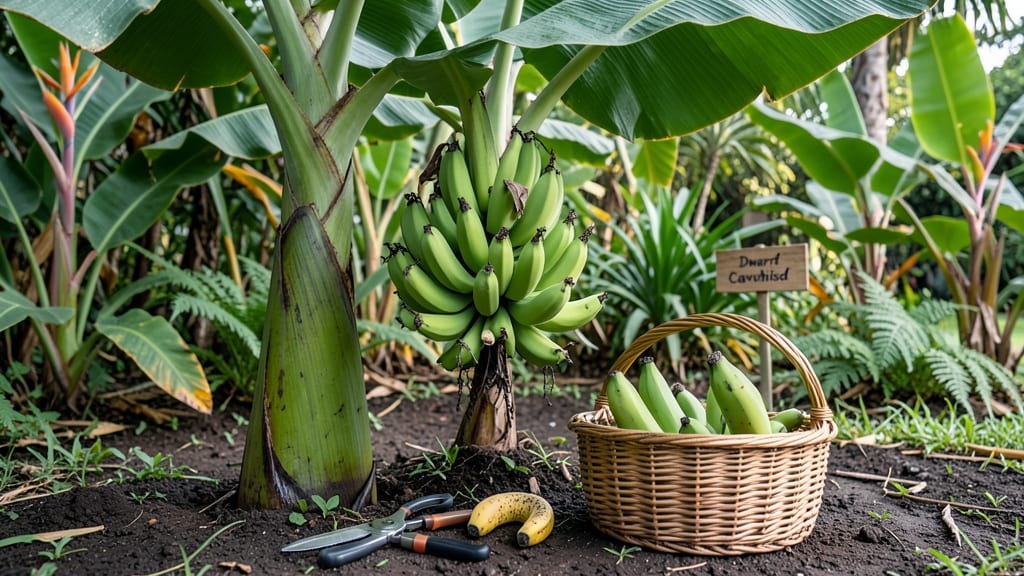
Picking Florida banana trees at the right time ensures you get sweet, creamy fruit instead of bland, underripe disappointment—here’s how to tell when each variety is ready.
If you’ve ever bitten into a banana that tastes more like cardboard than dessert, you know timing is everything. 🍌 In Florida’s warm climate, bananas ripen faster than in cooler regions, so knowing the exact cues—like peel color shifts and firmness—can save you from wasted harvests.
Below, I break down the ripeness stages by variety, from Cavendish to Red Dacca, including the best months to pick based on Florida’s seasons. You’ll also learn how to harvest without damaging the tree and what to do if fruit ripens too fast or too slow.
Ready to go from guesswork to perfect bananas? Let’s dive into the color guide, seasonal tips, and post-harvest care that’ll keep your fruit tasting fresh for weeks.
Banana ripeness stages by Florida-grown varieties (color & texture guide)
Florida’s warm climate lets you grow tropical bananas year-round, but timing your harvest is everything. Unlike grocery store bananas, Florida varieties ripen off the tree—so knowing the exact color shifts and texture cues ensures sweet, creamy fruit.
I’ve grown Cavendish, Red Dacca, and Ice Cream bananas in Florida for years, and here’s my foolproof guide to picking them at peak ripeness.
Most Florida banana varieties follow a three-stage ripening process: unripe (green), ripe (yellow with spots), and overripe (mostly brown). However, Red Dacca bananas turn deep red-purple when ripe, while Ice Cream bananas develop a creamy white blush.
The key is finger pressure—a firm squeeze should yield slightly, like a ripe avocado.
For Cavendish bananas—the most common variety—watch for yellow skin with brown spots. These bananas are ready to pick when they’re 6-8 inches long and the stem near the fruit starts to dry and darken.
A gentle squeeze should reveal a slight give, but the banana should still feel firm.
Red Dacca bananas are a showstopper when ripe, turning a vibrant red-purple. Unlike Cavendish, these bananas must be picked when fully colored but still slightly firm. If you wait too long, they’ll split open and attract pests. Aim for 7-9 inches in length and a dull sheen on the peel.
My personal favorite, Ice Cream bananas, are green with a creamy white blush when ripe. They’re smaller (5-7 inches) and sweeter than Cavendish. The texture test is unique: ripe Ice Cream bananas feel slightly spongy near the stem.
If they’re too hard, they’re underripe; if they’re mushy, they’ve overstayed their time on the tree.
Overripe bananas are a common mistake in Florida’s heat. Once bananas turn mostly brown or develop black spots, they’ll be mealy and bland. The good news? You can still use them for smoothies or baking—just peel and freeze them.
For the best flavor, though, pick them at the first sign of ripening and let them finish ripening indoors.
Pro tip: Harvest in the morning when temperatures are cooler. This reduces stress on the tree and helps bananas ripen more evenly. Store them in a paper bag with an apple or tomato to speed up ripening—ethylene gas from these fruits triggers the process.
If you’re new to growing bananas in Florida, start with Cavendish or Ice Cream varieties. They’re forgiving and produce re
How to harvest bananas without damaging the tree (step-by-step)
Harvesting bananas from your Florida banana tree requires precision to protect the plant while ensuring sweet, flavorful fruit. The wrong technique can stress the tree, reduce future yields, or even kill it. I’ve learned through experience that timing and method are everything—especially in Florida’s humid climate where diseases lurk.
First, identify the right bananas to pick. Look for bunches where the fruit has reached full size (typically 6–8 inches long) but still has a firm, slightly green peel.
Overripe bananas on the tree often attract pests and rot quickly. Once you spot the perfect bunch, act quickly to avoid losing your harvest to birds or wind.
⚠️ callout warning ⚠️
Never cut the fruit stem more than 1 inch from the main trunk. Doing so exposes the tree to fungal infections like Fusarium wilt, a deadly disease in Florida’s warm climate. Use clean, sharp pruners and sterilize them with rubbing alcohol before and after each cut.
Pro Tip: Wrap the cut stem with tree wound pruning sealant to protect the tree from moisture loss and pests.
For harvesting, use a sharp pair of pruning shears or a clean knife. Gently twist the bunch counterclockwise while applying slight upward pressure—this method minimizes damage to the pseudostem.
If the bunch resists, avoid yanking; instead, make a clean diagonal cut about 1 inch from the base of the bunch, leaving a small stub to prevent rot.
After harvesting, remove any remaining flower stalks (the "hand" that held the bananas) by cutting them at the base. This redirects the tree’s energy toward new growth and future fruit.
In Florida’s heat, your tree may produce a new bunch within 3–6 months, so proper care now ensures a steady harvest.
Store harvested bananas in a cool, dry place (around 55–60°F) to slow ripening. If you’re not ready to eat them, place them in a paper bag with a ripe apple to speed up the process naturally.
Avoid refrigerating bananas until they’re fully ripe, as cold temperatures can turn the peel black.
One common mistake I see in Florida gardens is harvesting too many bunches at once. Over-picking weakens the tree and can lead to reduced flowering in the next cycle. Limit yourself to 1–2 bunches per season unless your tree is mature and robust.
With patience and the right technique, your Florida banana tree will reward you with bountiful harvests for years.