
Pruning
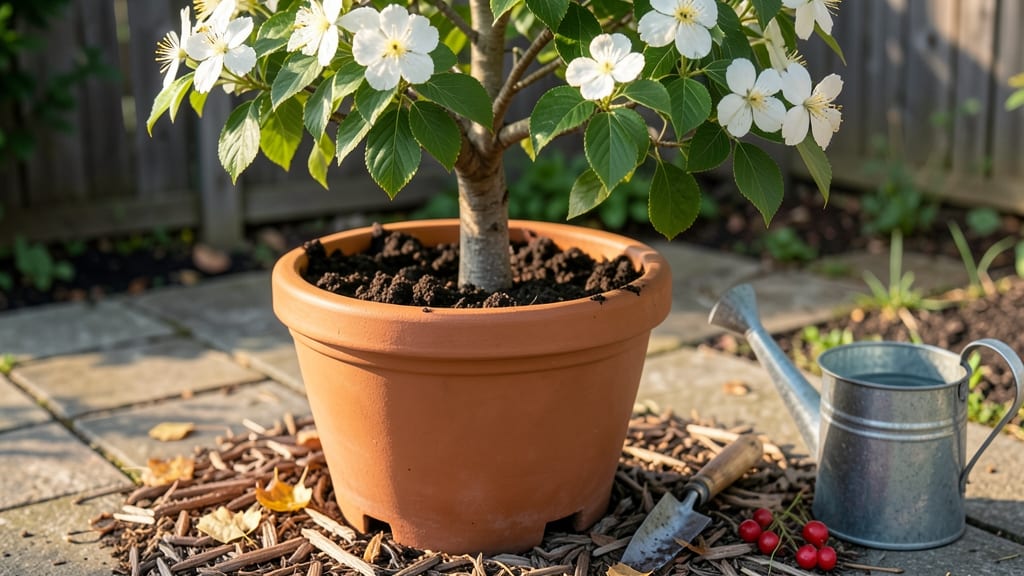
A dwarf dogwood tree in a pot brings spring's signature blooms to your balcony without the yard. 🌸 I've grown these delicate trees for years, and the secret to their success lies in mimicking their natural woodland habitat—just in a smaller, controlled space.
The right container, soil, and light can transform a simple pot into a year-round showcase of pink, white, or red flowers.
You'll need a pot at least 18 inches wide, with drainage holes to prevent soggy roots—dogwoods hate wet feet. A well-draining potting mix with compost keeps nutrients flowing, and regular watering (when the top inch feels dry) keeps the roots happy without drowning them.
Morning sun and afternoon shade are ideal, but even a bright indoor spot can work with the right light supplement.
Pruning after flowering keeps your tree compact and encourages more blooms next year. A little fertilizer in spring and fall gives them the energy they need, and winter protection (like wrapping the pot in burlap) helps them survive cold snaps.
The result? A tree that stays manageable year after year, with flowers that last for weeks and foliage that turns stunning shades of red in fall.
Perfect for small spaces, patios, or even sunny windowsills. With these adjustments, your dwarf dogwood will thrive just like its forest cousins—only with the bonus of being right outside your door. Let's get growing!
📚 In This Guide
- What you need
- Instructions
- Tips and common mistakes
- Wrapping up and next steps
What you need
- ● Dwarf dogwood tree (e.g., Cornus florida ‘Cherokee Brave’ or Cornus kousa ‘Milky Way’) – 1 plant (3–5 gallons at maturity).
- ● Container – 1 large pot (12–18 inches deep, with drainage holes; terracotta or ceramic preferred for breathability).
- ● High-quality potting mix – 1 bag (1–2 cubic feet) (use a well-draining blend with perlite or sand for aeration).
- ● Slow-release fertilizer – 1 granule or pellet (balanced 10-10-10 or organic option like fish emulsion).
- ● Mulch – 1–2 inches (organic pine bark or shredded leaves to retain moisture).
- ● Pruning shears – 1 pair (sharp, bypass-style for clean cuts).
- ● Gloves – 1 pair (gardening gloves to protect hands from thorns).
- ● Watering can or hose with nozzle – 1 (for deep, gentle watering).
- ● Trowel or small shovel – 1 (for repotting or soil adjustments).
- ● Sunlight access – Partial shade (4–6 hours of filtered light daily) or morning sun (avoid harsh afternoon rays).
- ○ Optional but helpful: 🌡️ Thermometer (to monitor soil temp—ideal: 60–75°F).
- ● ✨ Decorative stones or moss (for a polished balcony aesthetic).
- ● 💡 LED grow lights (if indoor placement lacks natural light).
Step-by-step instructions for growing a dwarf dogwood in a pot
Here's how to create a stunning balcony dogwood that thrives in containers.
🪴 Step 1: Choose the Right Container and Soil Mix
Select a pot at least 18-24 inches wide and deep with drainage holes—dogwoods hate soggy roots. I use a high-quality well-draining potting mix blended with 30% perlite or orchid bark to prevent compaction. The mix should feel light when squeezed but hold its shape.
Add a 2-inch layer of gravel or expanded clay pebbles at the bottom for extra drainage. This prevents root rot, which is the #1 killer of potted dogwoods. Tap the pot gently after filling to settle the soil without compacting it too tightly.
🌱 Step 2: Plant Your Dwarf Dogwood Correctly
Remove the tree from its nursery pot and gently loosen the roots if they're circling. Position the root ball so the top sits 1 inch below the pot's rim—this prevents soil from washing away when you water. Fill the sides with your prepared mix, pressing lightly to eliminate air pockets.
Water thoroughly until it drains from the bottom holes. You'll know it's right when water appears at the base but stops after a few minutes. Avoid planting too deeply—dogwoods need their root flare exposed to prevent rot.
☀️ Step 3: Position for Optimal Light and Airflow
Place your potted dogwood where it gets 4-6 hours of morning sun and afternoon shade—too much direct afternoon sun scorches the leaves. A north or east-facing balcony works best. If you only have south exposure, provide afternoon shade with a sheer curtain.
Rotate the pot a quarter turn every 2 weeks so the tree grows evenly. You'll notice new growth on all sides instead of just one direction. Good airflow prevents fungal diseases, so avoid cramming it between other plants.
💧 Step 4: Water and Fertilize for Healthy Growth
Water when the top 2 inches of soil feel dry—stick your finger in to check. Dogwoods need consistent moisture but hate soggy conditions. In summer, you might water every 2-3 days, while winter care drops to once a week.
Feed with a balanced 10-10-10 fertilizer every 4-6 weeks during spring and summer. I halve the recommended dose—dogwoods are sensitive to over-fertilization. Stop feeding in fall to encourage dormancy.
✂️ Step 5: Prune and Maintain for Year-Round Beauty
Prune in late winter or early spring before new growth appears. Remove any dead, crossing, or weak branches first. Then shape lightly to maintain your desired form—dogwoods respond well to gentle pruning.
Watch for yellowing leaves, which usually means overwatering or poor drainage. Brown edges often signal underwatering or too much sun. With proper care, your potted dogwood will reward you with stunning spring blooms and glossy foliage all season long.
Tips & tricks for perfect dwarf dogwood in pots
Growing a thriving dwarf dogwood in containers takes a few key tricks—here's what I've learned from years of balcony gardening.
Container Size Matters: The 18-24 inch pot recommendation isn't just about space—it's about stability. Dwarf dogwoods have surprisingly strong root systems that need room to anchor. I've seen smaller pots tip over when winds hit, especially on higher balconies. If you're concerned about weight, choose a pot with a wide base rather than going smaller.
Soil Mix Secrets: That 30% perlite or orchid bark isn't just filler—it's insurance against root rot. I like to add an extra 10% coconut coir to help retain moisture during dry spells while still preventing compaction. The mix should crumble easily when dry, not hold together like wet sand. This texture gives roots both air and water access simultaneously.
Light Positioning Hack: For those 4-6 hours of morning sun, I've found that positioning the pot near a west-facing wall creates natural afternoon shade automatically. The wall acts as a heat barrier while still allowing morning sunlight to reach the leaves. This works especially well in south-facing balconies where direct afternoon sun would scorch the foliage.
Watering Visual Cue: The finger test for checking soil moisture works, but here's a better trick: use a chopstick or wooden skewer to check deeper. Push it 2 inches into the soil—if it comes out clean, water. If it has moisture clinging, wait another day. This prevents both underwatering and the dreaded root rot from overwatering. I keep a few skewers in a jar by my balcony tools for quick checks.
Pro Tips for Dogwood Tree In Pot
- Growing a thriving dwarf dogwood in containers takes a few key tricks—here's what I've learned from years of balcony gardening.
- Container Size Matters: The 18-24 inch pot recommendation isn't just about space—it's about stability.
- Soil Mix Secrets: That 30% perlite or orchid bark isn't just filler—it's insurance against root rot.
Frequently asked questions
Got questions about keeping a dogwood tree in a pot? You’re not alone! Here are some common queries—and straightforward answers—to help you grow a thriving dwarf dogwood on your balcony.
What’s the best pot size for a dwarf dogwood tree?
A 5–7 gallon container is ideal for young dwarf dogwoods, with drainage holes to prevent root rot. As the tree grows, upgrade to a 10–15 gallon pot (but never exceed 18 inches in diameter). Use a lightweight, breathable material like ceramic or fabric to avoid overwatering.
How often should I water a potted dogwood?
Water when the top 1–2 inches of soil feel dry (usually 2–3 times per week in summer, less in winter). Overwatering is the #1 killer—stick your finger in the soil to check! Mulch the top layer to retain moisture and protect roots from extreme temps.
Can I keep a dogwood in a pot year-round?
Yes, but winter care is key! Move pots to a sheltered spot (like a garage or under an eave) when temps drop below 20°F. Wrap the pot in burlap or use a frost blanket to shield roots. Avoid fertilizing in winter—let the tree rest!
Why isn’t my potted dogwood flowering?
Dogwoods need full sun (6+ hours/day) and well-draining soil to bloom. If flowers are sparse, check for:
- Overcrowded roots (repot if needed)
- Nutrient deficiency (feed with acid-loving plant fertilizer in spring)
- Stress from transplant shock (give it 1–2 seasons to adjust)
What’s a good alternative if I don’t have space for a dogwood?
Try these low-maintenance dwarf trees for pots:
- Japanese maple – Stunning foliage, compact varieties like ‘Bonsai’
- Dwarf Korean lilac – Fragrant blooms, thrives in small spaces
- Ornamental cherry (e.g., ‘Snow Fountain’) – Cold-hardy and prolific
Wrapping up and next steps
Growing a dwarf dogwood tree in a pot is a rewarding way to bring timeless elegance to your balcony or patio—no sprawling yard required! 🌿 With the right variety, container, and care tips, you’ll enjoy stunning blooms and lush foliage year after year.
Whether you’re pruning for shape, health, or winter prep, remember: patience and consistency are key to keeping your potted dogwood thriving.
Ready to transform your space? Start by picking your favorite dwarf variety (like ‘Taylor’ or ‘Centennial’) and grab your pruning shears—your balcony garden awaits! Explore more pruning guides or shop containers to get started today.