
Pruning
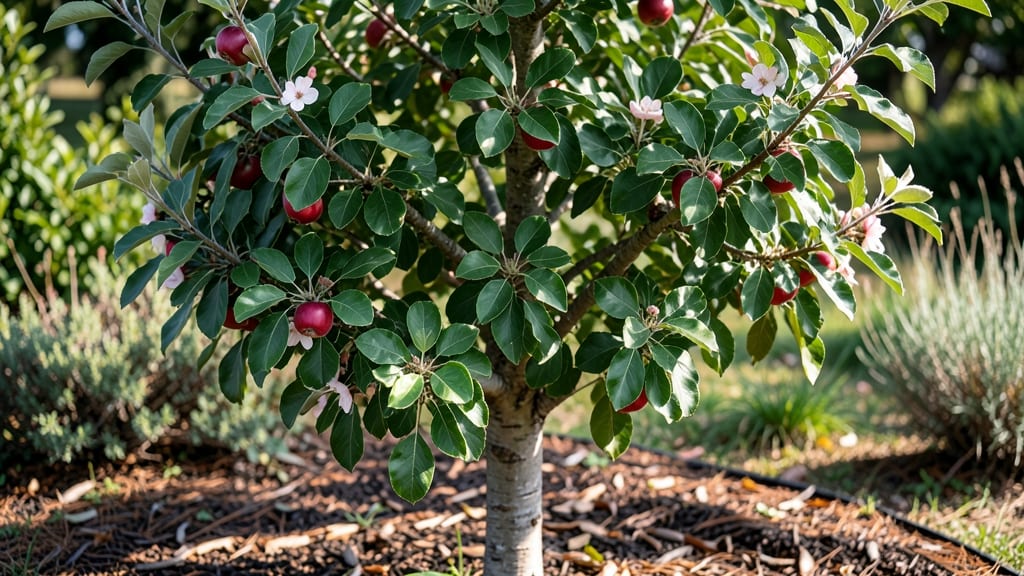
Summer pruning for crabapple trees isn’t about shaping—it’s about strengthening next spring’s blooms while keeping your tree healthy through the heat. 🌳 I’ve learned the hard way that cutting too late or too much can stress these trees, but the right approach transforms them into showstopping stars.
The key? Focus on removing dead wood, thinning crowded branches, and giving your tree room to breathe during the dog days.
Here’s the thing—crabapple trees bloom on last year’s growth, so summer pruning isn’t about encouraging flowers but about setting up their foundation. You’ll target branches that cross, rub together, or grow inward, which creates weak spots where pests or disease can take hold.
A sharp pair of pruners and a clear afternoon (to avoid stressing the tree) are all you need. Just remember: less is more—never remove more than 25% of the canopy at once.
What you’ll end up with is a tree that looks effortlessly balanced, with stronger branches ready to support next year’s vibrant pink or white blossoms. The best part? You’ll also improve airflow, which cuts down on fungal issues and keeps those glossy green leaves looking fresh all season.
Think of it as a summer tune-up for spring’s main event.
This method works for any crabapple variety, whether you’ve got a mature specimen or a young tree just starting to fill out. The timing is flexible—just avoid pruning in extreme heat or drought.
For container-grown crabapples, the same rules apply, but watch for root stress since they’re more vulnerable in summer. Let’s get those branches looking sharp!
📚 In This Guide
- What you need
- Instructions
- Tips and common mistakes
- Wrapping up and next steps
What you need
- ● Pruning shears: Bypass pruners (sharp, 7-9" blades) for cuts up to ½ inch in diameter.
- ● Loppers: 1 pair (18-24" handles) for branches ½–2 inches thick.
- ● Pruning saw: Curved-tooth saw for branches 2+ inches thick (avoid straight teeth—tear bark!).
- ● Gloves: Heavy-duty, cut-resistant gloves (e.g., leather or Kevlar) for protection.
- ● Disinfectant: 70% isopropyl alcohol or a 10% bleach solution (1 part bleach to 9 parts water) to sterilize tools between cuts.
- ○ Pruning sealant: Optional but recommended for large cuts (>1 inch) to prevent disease (e.g., Tanglefoot Tree Wound Pruning Sealer).
- ● Ladder or step stool: Sturdy, extendable ladder (20–30 ft) or a 6–8 ft step stool for higher branches.
- ● Safety gear: Safety glasses, long sleeves, and closed-toe shoes.
- ● Trash bags or bucket: For collecting debris (5–10 gallon capacity).
- ● Measuring tape: 25 ft for assessing branch dimensions.
- ● Pole pruner: Extendable tool for high branches (10–20 ft reach).
- ● Rope or harness: For securing yourself if working on very tall trees.
- ● Tree wound paint: Controversial but some gardeners swear by it for extra protection.
- ● Notebook & pen: To sketch a map of cuts or note branch priorities.
- ● Work gloves with grip: For handling slippery branches or debris.
Step-by-step guide to summer pruning for crabapple trees
Here's how I keep my crabapple trees healthy and blooming beautifully year after year.
✂️ Step 1: Remove Dead or Diseased Branches First
Start by scanning your tree for any branches that are completely brown, brittle, or showing signs of disease like oozing sap or fungal growth. These branches won't recover and will only drain energy from your tree. Use sharp, clean pruning shears to make a clean cut just outside the branch collar—the swollen area where the branch meets the trunk.
If a branch is larger than 2 inches in diameter, you'll need a pruning saw. Cut on the underside of the branch at a slight angle to prevent water from pooling and causing rot. I always disinfect my tools with rubbing alcohol between cuts to prevent spreading any potential diseases.
✂️ Step 2: Thin Out Crossing or Rubbing Branches
Look for branches that are crossing each other or rubbing against one another. These create wounds that invite disease and weaken the tree's structure. Choose the smaller of the two branches to remove, cutting it back to the branch collar. This opens up the canopy and allows better air circulation, which is crucial for preventing fungal issues.
You'll see the difference immediately as sunlight starts filtering through the branches. Aim to remove about 20% of the tree's total branches during this step. Never remove more than 25% in a single season—this stresses the tree and can lead to poor flowering next spring.
☀️ Step 3: Prune for Better Light Penetration
Focus on removing branches that are growing straight upward or inward toward the center of the tree. These "water sprouts" and "suckers" compete with the main structure for sunlight and nutrients. Cut them back to a lateral branch or bud that's growing in the direction you want the tree to fill out.
Step back and visualize the tree's natural shape. You want an open vase-like form that lets sunlight reach all the way to the ground. This encourages strong, healthy growth and better fruit production. Avoid "lion's tailing"—cutting back to a stub—this creates weak growth points.
🌿 Step 4: Shape the Tree for Balance and Form
Now it's time to refine the tree's overall shape. Look for branches that are growing too close to the ground or those that disrupt the natural balance. Remove any branches that are growing downward or outward from the trunk at less than a 45-degree angle. These are more prone to breaking in storms.
Make your final cuts just above an outward-facing bud. This encourages new growth in the direction you want. I like to use my hand as a guide—if I can fit my hand between two branches, they're spaced properly. This spacing prevents branches from rubbing and creates that beautiful, airy crabapple silhouette.
⏰ Step 5: Clean Up and Monitor Recovery
After pruning, collect all the debris and dispose of it properly. Don't leave it on the ground where it can harbor pests or diseases. I always rake up the clippings and either bag them for yard waste pickup or use them for mulch in my garden beds.
Water the tree deeply after pruning to help it recover. You'll see new growth emerging from the pruned areas within 4-6 weeks. Monitor the tree over the next few months for any signs of stress like yellowing leaves or unusual growth patterns. This is normal as the tree adjusts, but severe reactions could indicate you removed too much foliage.
Tips & tricks for perfect summer crabapple tree pruning
Summer pruning makes all the difference for your crabapple tree's health and next year's blooms. Here's what I've learned after years of trial and error.
Timing is Everything: Prune during late spring to early summer when the tree is actively growing but before the buds set for next year. This timing allows the tree to heal quickly and encourages strong new growth. I always aim for just after the spring flush of leaves appears—around late May or early June in my zone 6 climate. This window gives the tree time to recover before winter dormancy.
Tool Prep Matters: Sterilize your pruning tools with rubbing alcohol between cuts, especially when dealing with diseased branches. I keep a small spray bottle of 70% isopropyl alcohol handy to quickly disinfect shears after each cut. This prevents spreading fungal spores or bacterial infections to healthy parts of the tree. Trust me, skipping this step can turn a simple pruning job into a full-blown disease management battle.
Visualize the Final Shape: Before making any cuts, step back and visualize how you want your tree to look after pruning. I like to sketch a rough outline on paper first—this helps me decide which branches to keep for structure and which to remove for airflow. The goal is an open vase shape that lets sunlight reach all branches. This practice prevents over-pruning and helps maintain the tree's natural beauty while improving fruit production.
Recovery Care is Critical: After pruning, give your tree a deep watering to help it recover. I water immediately after finishing and then again in about 10 days. During the first 4-6 weeks after pruning, monitor for new growth—this is your sign that the tree is healing properly. If you notice yellowing leaves or stunted growth, you may have removed too much foliage in one session.
Pro Tips for Crabapple Tree Summer
- Summer pruning makes all the difference for your crabapple tree's health and next year's blooms.
- Timing is Everything: Prune during late spring to early summer when the tree is actively growing but before the buds set for next year.
- Tool Prep Matters: Sterilize your pruning tools with rubbing alcohol between cuts, especially when dealing with diseased branches.
Frequently asked questions
about crabapple tree summer pruning—because even experts need a little guidance! Here are answers to the most common queries to help you prune like a pro.When is the best time to prune a crabapple tree for summer blooms?
Prune your crabapple tree in late winter or early spring (just before buds swell) for the strongest spring blooms. Summer pruning is possible but avoid heavy cuts—stick to light shaping or deadwood removal to prevent stress. If you must prune in summer, do so after flowering (June-July) to minimize impact on next year’s blooms.
Can I prune a crabapple tree in summer without hurting it?
Yes, but keep it minimal! Summer pruning should focus on:
- Removing dead, diseased, or crossing branches ( critical for health).
- Thinning out overcrowded growth to improve airflow ( reduces pests/diseases).
- Avoiding heavy cuts—never remove more than 25% of the canopy at once.
Why do my crabapple tree’s flowers look sparse after pruning?
Sparse blooms often mean pruning was too aggressive or done at the wrong time. Crabapples bloom on old wood, so cutting back last year’s growth (where flower buds form) reduces blooms. Solution: Prune in dormant season (winter/early spring) and avoid over-thinning. If you pruned in summer, give the tree a year to recover—blooms may rebound!
How do I prevent pests or disease after summer pruning?
Summer pruning opens wounds that attract pests like borers or fungal infections. Protect your tree with these steps:
- Use sharp, sterilized tools (rubbing alcohol or bleach solution).
- Seal cuts with pruning sealant (optional but helpful for large wounds).
- Clean up debris—remove fallen branches/petals to reduce fungal spores.
- Water deeply post-pruning to boost healing.
What’s a good alternative if I missed the dormant-season pruning window?
Don’t panic! If you missed winter/early spring pruning, focus on summer maintenance:
- Remove only dead/diseased wood (no major shaping).
- Thin out suckers or water sprouts (fast-growing vertical shoots).
- Plan for next winter—mark your calendar for January-February pruning.
Wrapping up and next steps
Summer isn’t too late to give your crabapple tree the care it needs for stunning spring blooms! By pruning now—focusing on deadwood, crossing branches, and overgrowth—you’re setting the stage for a healthier, more vibrant tree.
Think of it as a summer spa day for your crabapple: a little trimming goes a long way. 🌿
Ready to roll up your sleeves? Grab your tools, follow the steps, and watch your tree thrive next season. Your future spring blooms will thank you!
Next up: Check out our guide on seasonal crabapple care to keep your tree happy year-round!