
Pruning
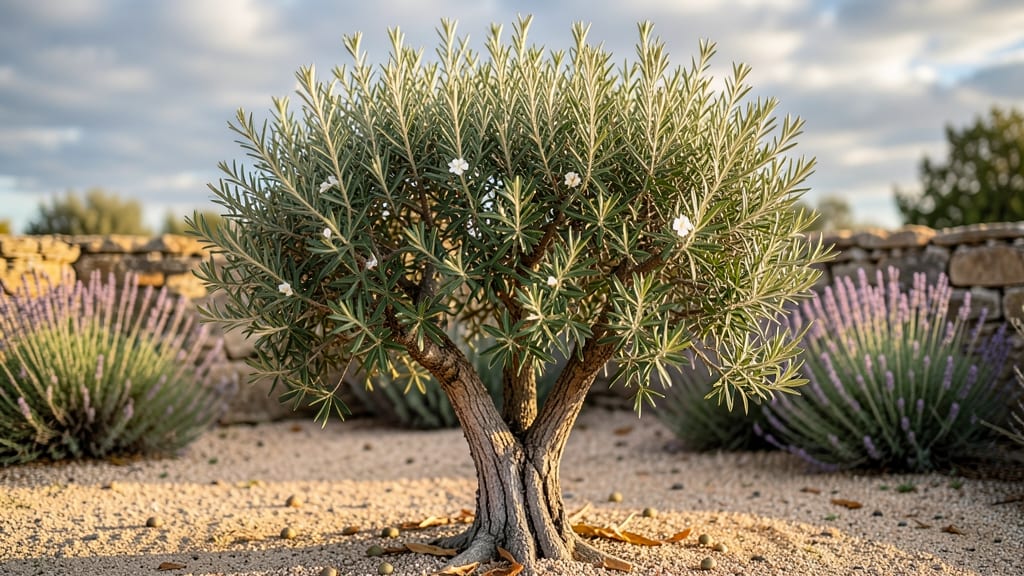
Pruning your olive tree in Swan Hill’s dormant season transforms it from scraggly to stunning. ✂️ I’ve watched my own tree go from a tangled mess to a graceful, productive specimen just by timing cuts right—now it’s the centerpiece of my yard, not an eyesore.
The key is working right after harvest but before new growth starts. Swan Hill’s dry winters mean less stress on the tree, so you can shape aggressively without risking disease.
Focus on removing dead wood first, then thinning out crowded branches to let sunlight reach the center—this is how you prevent that classic olive tree “witch’s broom” look.
By late spring, you’ll see fresh green shoots where you made cuts, and within a year, your tree will have a balanced shape that produces more olives. The best part? Proper pruning now means fewer pests and easier harvesting later—plus, your neighbors will ask how you did it.
Local Swan Hill nurseries stock drought-resistant varieties like ‘Swan Hill Pride’ that thrive with minimal fuss. Grab your pruners and let’s get started—your tree’s future self will thank you.
📚 In This Guide
- What you need
- Instructions
- Tips and common mistakes
- Wrapping up and next steps
What you need
- ● Pruning shears: Bypass pruners (sharp, 10-12 inch blades) for small branches (½ inch diameter). Sterilize with rubbing alcohol before/after use!
- ● Loppers: 18-24 inch bypass loppers for thicker branches (¾–2 inches diameter). Look for ratcheting models for extra leverage.
- ● Pruning saw: Curved-tooth saw (8–10 inch blade) for branches 2+ inches thick. Avoid tearing the bark!
- ● Disposable gloves: Heavy-duty, nitrile-coated (size medium/large) to protect from thorns and sap.
- ● Ladder: Extension ladder (16–24 ft) with non-slip feet and a weight capacity >200 lbs. Safety first!
- ○ Pruning sealant: Tree wound paint (optional but recommended for cuts >½ inch). Use a latex-based formula.
- ● Cleanup supplies: Heavy-duty trash bags (30+ gallon capacity)
- ● Rake (12–18 inch for debris) or leaf blower
- ○ Wheelbarrow (optional, for hauling large clippings)
- ● Safety gear: Safety glasses, ear protection (if using a chainsaw), and long sleeves/pants to avoid sap burns.
- ● Marking tools: Colored spray paint or flagging tape to tag branches for removal.
- ● Chainsaw: Only for very large branches (>3 inches). Use a pole saw attachment for overhead cuts.
- ● Pruning rope: 10–15 ft of polyester rope (½ inch thick) for lowering heavy branches.
- ● First-aid kit: Include antiseptic wipes and bandages for minor cuts.
Step-by-step instructions for pruning your Swan Hill olive tree
Here’s how I prune my Swan Hill olive tree every dormant season—keeping it healthy, shapely, and ready for summer’s harvest.
✂️ Step 1: Gather Tools and Inspect the Tree
Start by sharpening your pruning shears and sterilizing them with rubbing alcohol. I always check for dead, diseased, or crossing branches first—these take priority. Look for branches that rub against each other or grow inward; these will compete for energy and may create entry points for pests.
Wear gloves to protect your hands from the tree’s small, sharp leaves. If you’re working with larger branches, grab your pruning saw. The goal here is to work methodically, so take a moment to sketch a rough outline of how you want the tree to look. Swan Hill olives respond well to open, airy shapes—think of it as creating a balanced canopy that lets sunlight reach all branches.
✂️ Step 2: Remove Dead, Damaged, or Weak Growth
Begin by cutting out any branches that are dead, broken, or showing signs of disease—look for discolored wood, fungal growth, or branches that snap easily. Make your cuts just outside the branch collar, the swollen area where the branch meets the trunk. This ensures the tree can heal properly without leaving a stub that might rot.
Next, remove any suckers—those vigorous shoots growing from the base or trunk. These drain energy from your main tree. I like to cut these back to the ground, but if they’re thick, I’ll make a clean cut at the base. Watch for water sprouts too, those fast-growing vertical shoots that pop up along the trunk or branches. These are energy vampires, so snip them off at their base.
✂️ Step 3: Thin Out the Canopy for Better Airflow
Now focus on thinning the canopy to improve airflow and sunlight penetration. Start at the outer edges and work your way inward. Remove about 20-30% of the foliage—this might sound aggressive, but it encourages stronger growth and reduces the risk of fungal diseases. Look for branches that cross or rub; one of them needs to go to prevent damage.
When thinning, cut branches back to their point of origin or to a lateral branch. Avoid leaving stubs, as they can invite pests and disease. If a branch is too thick to cut with shears, use your pruning saw. Remember, Swan Hill olives are forgiving, so don’t stress over perfection—just aim for a balanced, open shape. You’ll see new growth fill in the gaps beautifully by spring.
✂️ Step 4: Shape the Tree for Balance and Structure
Now it’s time to refine the tree’s shape. Swan Hill olives grow well with an open vase or rounded form, so I focus on maintaining that silhouette. Start by identifying the main scaffold branches—the larger, sturdy branches that form the tree’s framework. These should be spaced evenly around the trunk, about 12-18 inches apart, and angled outward.
To encourage outward growth, cut back any branches that grow too upright or inward. Make your cuts just above a leaf bud or lateral branch. If you’re unsure where to cut, imagine the branch continuing in the direction you want it to grow—then cut just above that point. This technique helps guide the tree’s future shape while keeping it strong. Step back occasionally to check your progress; it’s easier to see balance from a distance.
🌿 Step 5: Clean Up and Monitor Recovery
Once you’ve finished pruning, gather all the clippings and dispose of them properly. If your tree is healthy, you can compost the smaller branches, but avoid composting diseased wood. Sterilize your tools again with rubbing alcohol to prevent spreading any potential pathogens.
After pruning, water the tree deeply to help it recover. Swan Hill olives are drought-tolerant, but a good soak after a major pruning session encourages new growth. Keep an eye on the tree over the next few weeks—you should see fresh, vibrant buds forming by early spring. If you notice any unusual wilting, discoloration, or signs of stress, adjust your care routine accordingly. With proper pruning, your Swan Hill olive will reward you with lush foliage and abundant fruit for years to come.
Tips & tricks for pruning your Swan Hill olive tree
These simple strategies will help you transform your dormant season pruning into a stress-free, rewarding process that sets your tree up for a spectacular summer.
Tool Prep is Non-Negotiable: I learned this the hard way after ruining three pruning sessions with dull tools. Always sharpen your shears and sterilize them with rubbing alcohol before you start—this prevents tearing branches and spreading disease between cuts. A quick test: if your shears struggle to cut through a pencil cleanly, they're not sharp enough. For larger branches, a clean, sharp saw makes all the difference in creating smooth cuts that heal properly.
Visualize First, Cut Later: Before making a single cut, step back and study your tree's natural structure. Sketching a rough outline on paper helps you see the big picture—where branches compete, where sunlight might get blocked, and how to create that open vase shape Swan Hill olives thrive in. I find it helps to imagine the tree as a sculpture: what would make it more balanced and appealing? This mental prep prevents impulsive cuts you might regret later.
The 20-30% Rule is Your Friend: When thinning the canopy, remember that removing 20-30% of foliage isn't about being aggressive—it's about strategic selection. Focus on branches that cross, grow inward, or show signs of disease first. These cuts improve airflow dramatically, which is crucial for preventing fungal issues. Pro tip: Start with the outer edges and work inward; this creates natural light penetration from the top down, encouraging even growth throughout the tree.
Scaffold Branch Spacing Matters: Those main scaffold branches should be spaced about 12-18 inches apart around the trunk. This spacing gives each branch enough room to develop strong structure without competing for sunlight or nutrients. When shaping, always cut just above a leaf bud or lateral branch—this encourages new growth in the direction you want. I like to think of it as "teaching" the tree where to grow next rather than just cutting randomly.
Pro Tips for Olive Tree Swan Hill
- These simple strategies will help you transform your dormant season pruning into a stress-free, rewarding process that sets your tree up for a spectacular summer.
- Tool Prep is Non-Negotiable: I learned this the hard way after ruining three pruning sessions with dull tools.
- Visualize First, Cut Later: Before making a single cut, step back and study your tree's natural structure.
Frequently asked questions
Got questions about pruning your Olive Tree Swan Hill? You’re not alone! Here are some of the most common concerns—plus clear, actionable answers to keep your tree thriving.
When is the best time to prune my Olive Tree Swan Hill?
The ideal window is late winter to early spring (February–March in most climates) while the tree is still dormant but before new growth begins. This minimizes stress and promotes healthier regrowth. Avoid heavy pruning in summer or fall, as it can weaken the tree or invite pests.
How much can I trim back without harming the tree?
For Olive Tree Swan Hill, aim to remove no more than 25–30% of the foliage in a single session. Focus on shaping, thinning dense areas, and removing dead/diseased branches. Over-pruning can stress the tree—think of it as a light haircut, not a buzz cut!
What if I missed the dormant season? Can I still prune now?
Yes, but with caution! Light pruning (removing only dead or crossing branches) is safe year-round. Avoid heavy cuts in summer or late fall, as this can expose the tree to sunburn or fungal issues. If you must prune outside the ideal window, water deeply afterward to reduce stress.
Should I sterilize my pruners between cuts?
Absolutely!
Sterilizing tools with rubbing alcohol (70%+) or a 10% bleach solution between cuts prevents spreading bacterial or fungal diseases (like Verticillium wilt). Wipe blades clean after each snip—your tree’s health depends on it!
What do I do with the pruned branches?
Small branches (<1 inch thick) can be composted or mulched around the base of the tree (keep mulch 3–4 inches away from the trunk). Larger branches? Use them for firewood (if dry) or repurpose as stakes for vines. Never leave piles of debris near the tree—it attracts pests!
Wrapping up and next steps
Pruning your Olive Tree Swan Hill during the dormant season isn’t just about shaping—it’s about setting the stage for lush, year-round beauty. 🌿 With the right tools, timing, and technique, you’ll encourage vibrant growth, prevent disease, and keep your tree thriving for seasons to come.
Whether you’re a seasoned gardener or just starting out, every careful cut brings you closer to a stunning, healthy tree.
Ready to take the next step? Mark your calendar for late winter or early spring, gather your tools, and give your Olive Tree Swan Hill the TLC it deserves. Your future self—and your tree—will thank you! 🌟