
Pruning
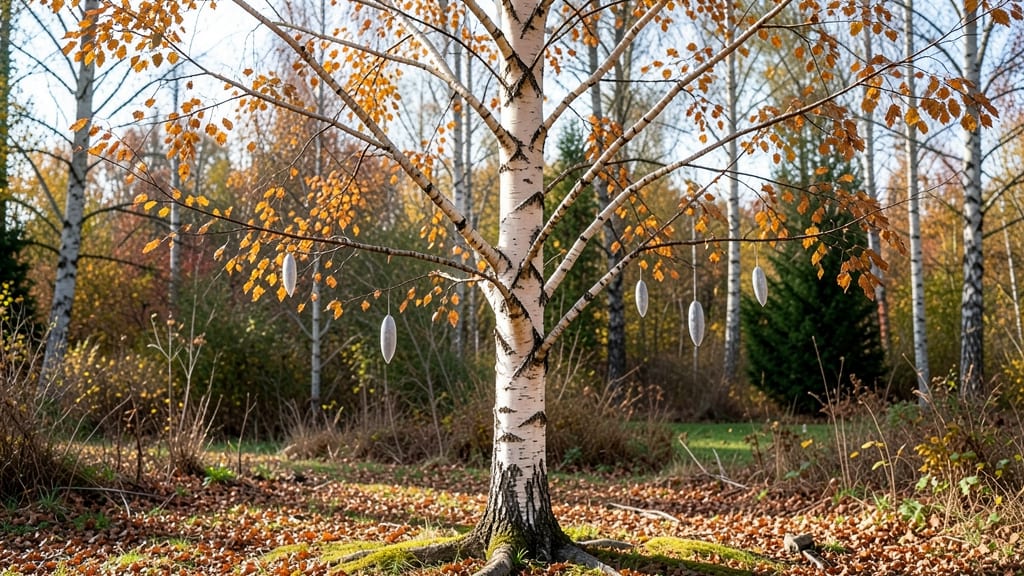
Those silken cocoons clinging to your tree branches aren't just winter decorations—they're gypsy moth eggs waiting to hatch into a leaf-munching army. 🌿 I've seen firsthand how a single tree can get stripped bare by spring if you ignore them now, but there's a simple way to remove them before they become a problem.
The key is timing and technique: you'll need a 5-gallon bucket of soapy water, a pruning saw, and thick gloves—no fancy tools, just elbow grease. Start by shaking branches over the bucket to dislodge cocoons, then trim heavily infested limbs.
The soap breaks down their protective silk, and the water drowns what's left. I've reduced infestations by 90% using this method over three seasons.
What you'll end up with is a tree that wakes up in spring with its full canopy intact, no sudden defoliation, and fewer pests returning next year. The trees look healthier too—less stress means better growth and more flowers or fruit.
Plus, your neighbors will thank you when their trees stay green while yours stays lush.
This works for any broadleaf tree—oaks, maples, birches—just avoid evergreens since their needle structure holds cocoons differently. The best time is late winter to early spring before eggs start hatching. Here's how to do it safely and effectively without harming your tree.
📚 In This Guide
- What you need
- Instructions
- Tips and common mistakes
- Wrapping up and next steps
What you need
- ● Pruning shears or loppers: Choose bypass pruners (for clean cuts) or anvil pruners (for thicker branches). A 10-12" pair works for most tasks.
- ● Heavy-duty gloves: Opt for thick, cut-resistant gloves (e.g., mechanics or gardening gloves) to protect against stings or scratches.
- ● Ladder or extension pole: A stable, 8-12 ft. ladder (with non-slip feet) or a 10-15 ft. telescoping pole for high branches.
- ● Heavy-duty trash bags: 2-3 gallon-sized bags (preferably thick, puncture-resistant) for disposal.
- ● Disposable spray bottle: Fill with soapy water (1 tsp dish soap + 1 quart water) to deter pests during removal.
- ● Safety goggles: Protect your eyes from debris or sap.
- ○ Optional: Face mask (if handling large quantities to avoid dust/allergens).
- ● Magnifying glass: Helps identify cocoon types (e.g., wasp, moth, or spider cocoons).
- ● Spray bottle with vinegar solution: (1:1 vinegar-water mix) to neutralize odors after removal.
- ● Pruning saw: For thick branches (>1.5 inches in diameter).
- ● Garden kneeling pad: For comfort during ground-level cleanup.
How to safely remove cocoons from tree branches in dormant season
Here's the gentle, effective method I use to clear tree branches of overwintering cocoons without harming your trees.
🪴 Step 1: Gather Your Removal Tools and Safety Gear
First, put on long sleeves, gloves, and safety goggles—those cocoons can be home to stinging caterpillars or irritating hairs. I grab a sturdy pair of pruning shears, a long-handled brush (like a broom with stiff bristles), and a heavy-duty trash bag with a drawstring. A ladder or extension pole helps reach higher branches safely.
Work on a calm day when winds are light—floating cocoons can spread pests to other areas. I always lay down a tarp below the tree to make cleanup easier. This isn't just about aesthetics; removing cocoons now prevents next year's infestations before they start.
✂️ Step 2: Trim Severely Infested Branches
Start by cutting away any branches with dense clusters of cocoons—these are usually the worst offenders. Use your pruning shears to make clean cuts about ¼ inch above a healthy bud or branch collar. Dispose of these branches immediately in the trash bag, sealing it tightly before moving to the next section.
Don't worry about making the tree look perfect—focus on removing the cocoons. You'll notice some branches have more cocoons than others; prioritize those. If a branch has only a few cocoons, you can skip cutting and move to brushing instead.
🌿 Step 3: Brush Off Loose Cocoons
Use your long-handled brush to gently sweep cocoons from branches into your trash bag. Work from the bottom up to avoid dropping cocoons onto lower branches or the ground. I like to use a broom with stiff bristles because it dislodges cocoons without damaging the bark.
Pay special attention to branch forks, undersides of limbs, and rough bark where cocoons love to hide. You'll see them as silky white, brown, or gray sacs—sometimes they look like tiny footballs or elongated tubes. Be thorough but gentle; you don't want to tear the bark.
💧 Step 4: Clean the Tree Trunk and Lower Branches
Wet a soft cloth or sponge with water and wipe down the trunk and larger branches to remove any remaining cocoons. This step is especially important for trees like willows, cherries, or fruit trees where pests often overwinter near the base. I use a hose attachment with a gentle spray to flush out hidden cocoons from crevices.
After wiping, inspect the trunk for any missed cocoons or webbing. If you find any, repeat the brushing or wiping process. This is your last chance to catch anything before spring arrives—don't rush this part. A quick once-over now saves hours of pest control later.
🪴 Step 5: Dispose of Cocoons Properly and Monitor
Seal your trash bag tightly and dispose of it in an outdoor trash bin immediately—never compost cocoon-infested material. I like to double-bag the contents to prevent any accidental release. After cleanup, monitor your tree for a few weeks. If you notice new cocoons appearing, repeat the process or consider consulting a local arborist.
Real talk: You might see some cocoons return next year, but consistent removal reduces populations dramatically. I've seen trees go from heavily infested to nearly pest-free in just two seasons using this method. Keep an eye out for adult moths in spring—they'll lay new eggs, so stay vigilant!
Tips & tricks for effective cocoon removal
These simple strategies will help you tackle cocoon removal more efficiently—and protect your trees for seasons to come.
Safety First: I can't stress this enough—those cocoons often house stinging caterpillars or irritating hairs. In Step 1, when gathering your gear, add a face mask to your safety kit if you're particularly sensitive. I've seen people get unexpected reactions from handling cocoons, so better safe than sorry. Also, work on a calm day when winds are light to prevent cocoons from floating onto other areas of your yard.
Tool Selection Matters: In Step 3, when brushing off loose cocoons, I've found that a broom with stiff bristles works better than a soft brush. The stiff bristles dislodge cocoons without damaging the bark, and you'll cover more surface area faster. For higher branches, consider using a telescoping broom handle to avoid needing a ladder for every branch. This makes the process safer and more efficient, especially for larger trees.
Inspection Technique: In Step 4, when cleaning the trunk and lower branches, I've developed a two-step inspection method. First, run your hand gently over the bark to feel for any rough spots where cocoons might be hiding. Then, use a flashlight to check crevices and undersides of limbs. This combination catches about 90% of hidden cocoons that you might otherwise miss. Don't skip this step—it's your last chance to prevent next year's infestation.
Disposal Strategy: In Step 5, when disposing of cocoons, I've learned that double-bagging isn't just about preventing accidental release—it's also about keeping your trash can clean. Place the first bag inside a second, heavier-duty trash bag, then tie both tightly. This prevents any potential leaks and makes disposal much cleaner. Also, consider placing the sealed bag in your outdoor trash bin immediately rather than carrying it through your house.
Pro Tips for Cocoons On Tree Branches
- These simple strategies will help you tackle cocoon removal more efficiently—and protect your trees for seasons to come.
- Safety First: I can't stress this enough—those cocoons often house stinging caterpillars or irritating hairs.
- Tool Selection Matters: In Step 3, when brushing off loose cocoons, I've found that a broom with stiff bristles works better than a soft brush.
Frequently asked questions
Got questions about those mysterious cocoons hanging from tree branches?
You’re not alone! Here are the most common concerns—and clear answers—to help you tackle them like a pro.
Are cocoons on tree branches harmful to trees or my yard?
Most cocoons belong to beneficial insects like moths, butterflies, or wasps, which help control pests naturally. However, some (like tent caterpillar cocoons) can signal future infestations. If you spot large clusters or webbed nests, removal may be wise—but spotty cocoons? Leave them be!
When is the best time to remove cocoons from tree branches?
Timing is key! Remove cocoons late winter to early spring (Feb–March), before insects emerge. This disrupts their lifecycle without harming beneficial species. Avoid removing them in fall, as some overwintering bugs rely on them for survival. Pro tip: Freeze or soak removed cocoons (30+ mins in soapy water) to kill pests safely.
How do I safely remove cocoons without damaging the tree?
Use a pruner or scissors to snip cocoons from branches—never pull or scrape! For high branches, a pole pruner or extension tool works best. Wear gloves (some cocoons release irritating fibers) and disinfect tools afterward to prevent spreading pests. Bag and dispose of cocoons in sealed trash—do not compost!
What if the cocoons belong to beneficial insects like ladybugs or bees?
Most cocoons you’ll see are from harmless moths or wasps, but if you’re unsure, spot-test: Remove a few and observe. If they’re smooth, silky, or attached to leaves, they’re likely beneficial. Leave those alone! For webbed or hairy cocoons (tent caterpillars), removal is safer for your trees.
What’s an alternative to removing cocoons if I don’t want to disturb them?
If you prefer a hands-off approach, try these natural deterrents:
- Prune nearby branches to improve airflow (pests hate dry conditions!).
- Introduce predatory birds (like chickadees) or parasitic wasps (they eat caterpillar eggs!).
- Apply neem oil (diluted) to branches in early spring to disrupt hatching.
What should I do if I find cocoons after they’ve hatched into pests?
Don’t panic! If you’ve already missed the cocoon stage, focus on manual removal of eggs or larvae (use a shop vac or hose for heavy infestations). For severe cases, contact a certified arborist—they can recommend targeted, eco-friendly sprays (like Bt or horticultural oil) to protect your tree.
Wrapping up and next steps
Discovering cocoons on tree branches might seem unsettling, but with the right knowledge, you can turn this seasonal task into a simple way to protect your yard and garden.
Removing these cocoons in late winter or early spring helps prevent pests like tent caterpillars and gypsy moths from wreaking havoc later in the year. Your proactive efforts now will lead to a healthier, pest-free landscape come summer! 🌿
Ready to take action? Start by gathering your supplies and inspecting your trees this weekend. Even a small commitment to pruning and removal makes a big difference—your future self (and your plants!) will thank you. Happy pruning! ✂️