
Pruning
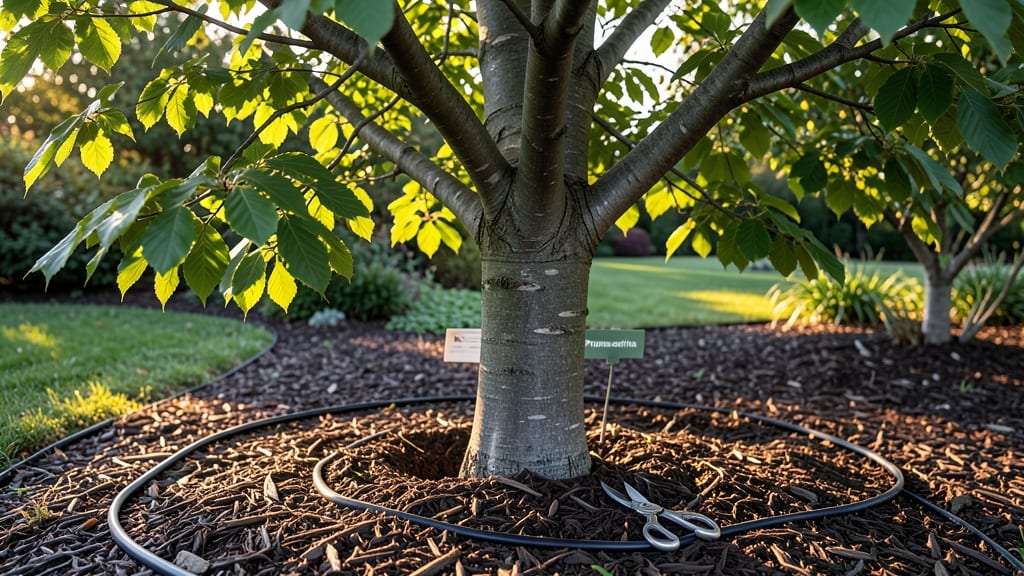
Georgia’s dormant season is the perfect time to prune your cherry tree for next year’s bountiful harvest—and I’ve learned the hard way what mistakes to avoid. 🌳 The right cuts now mean fewer broken branches in spring storms and fruit that’s bigger, sweeter, and easier to pick.
My first pruning attempt left half the tree looking like a bird’s nest, but now I’ve got a system that actually works for Georgia’s humid climate. Start with clean, sharp tools—dull pruners tear bark, inviting diseases like brown rot that cherries dread.
Focus on removing dead wood first, then thin out crowded branches to let sunlight reach the center. The goal is an open vase shape that lets fruit ripen evenly. Georgia’s heat means cherries need good airflow, so don’t go overboard with thick foliage.
You’ll see the difference by late spring when your tree bursts with bright green leaves and heavy clusters of fruit. The pruning scars heal faster in Georgia’s mild winters, and you’ll avoid the heartbreak of fruit dropping early from overcrowding.
Just remember: never prune when it’s wet or freezing—wait for dry, calm days in late winter. This works for both sweet and tart varieties like ‘Stella’ or ‘Black Gold,’ Georgia’s top performers. The key is patience—your tree will thank you with juicy, sun-ripened cherries by July.
Let’s get those branches shaped right!
📚 In This Guide
- What you need
- Instructions
- Tips and common mistakes
- Wrapping up and next steps
What you need
- ● Pruning shears (bypass or anvil type) – Sharp, sterilized blades (1 pair)
- ● Loppers – For thicker branches (1.5"–2" diameter) (1 pair)
- ● Pruning saw – For large limbs (2"+ diameter) (1)
- ● Gloves – Heavy-duty, cut-resistant (1 pair)
- ● Disinfectant (70% isopropyl alcohol or bleach solution) – 1:9 bleach-to-water ratio (small bottle)
- ○ Pruning sealant (optional but recommended) – For cuts >0.5" diameter (small tube)
- ● Ladder or step stool – Stable, extendable (10–15 ft for tall trees)
- ● Heavy-duty trash bags – For debris removal (2–3 bags)
- ● Dormant season timing – Late winter (Jan–Feb in Georgia) (before buds swell)
- ● Weather check – Dry, calm conditions (no rain forecasted for 24+ hours)
- ● Tree health assessment – Inspect for pests/disease (e.g., brown rot, aphids)
- ○ Safety gear – Safety glasses, long sleeves/pants (optional but wise!)
Instructions for pruning Georgia cherry trees in dormant season
Here's my go-to method for shaping your Georgia cherry tree—clean cuts, better fruit, and fewer pests next season.
✂️ Step 1: Gather Tools and Check Tree Health
Start with sharp pruning shears and a pruning saw for thicker branches. Disinfect blades with rubbing alcohol to prevent spreading disease between cuts. I also grab a ladder (if needed) and a bucket to collect debris—keeping the work area clean reduces fungal risks.
Examine the tree for dead, diseased, or crossing branches first. Dead wood is easy to spot—it's brown, brittle, and doesn't bleed sap when cut. Diseased branches often have dark spots or oozing sap. Mark these with flagging tape before you start pruning so you don't miss them in the excitement of shaping.
✂️ Step 2: Remove Problem Branches First
Cut out dead, diseased, or damaged branches completely—no exceptions. These branches drain energy from your tree and invite pests. For larger branches, make your cut just outside the branch collar (that swollen area where the branch meets the trunk). Never leave stubs—this creates entry points for infections.
Next, remove crossing or rubbing branches. When two branches grow toward each other, they create wounds that weaken the tree. Look for areas where bark is stripped or branches touch—these need to go. If you're unsure which branch to remove, cut the smaller one to maintain the tree's natural balance.
✂️ Step 3: Thin the Canopy for Better Airflow
Step back and look at your tree's overall shape. You want an open center that lets sunlight reach the inner branches—this prevents fungal diseases and encourages fruit production. Remove branches that grow inward or downward, focusing on the lower third of the tree first. These often compete with the main structure for nutrients.
I aim to thin about 20-25% of the tree's foliage in dormant season. You'll know you're doing well when you can see light through the canopy from all sides. Avoid cutting more than one-third of a branch's diameter in a single cut—this stresses the tree unnecessarily.
✂️ Step 4: Shape the Tree for Optimal Fruit Production
Now focus on the tree's structure. Cherry trees benefit from an open-center or vase shape, with a dominant central leader (main upward-growing branch). Remove competing leaders—these are large, upright branches growing from the trunk or scaffold branches. Keep only one strong leader to avoid a weak, multi-headed tree.
For scaffold branches (the main horizontal branches), space them 8-12 inches apart vertically. Cut back any branches that grow too close together or overlap. Make your cuts at a 45-degree angle just above an outward-facing bud. This encourages new growth in the right direction for better fruit exposure.
⏰ Step 5: Clean Up and Monitor Recovery
After pruning, rake up all debris and dispose of it in the trash—not your compost pile. Burn diseased branches if possible, or seal them in a plastic bag before trash pickup to prevent spores from spreading. Water the base of the tree deeply to help it recover from the stress of pruning.
Watch for new growth in 4-6 weeks—this is your sign the tree is healing well. If you see excessive bleeding (sap oozing) from cuts, it's normal but not a cause for concern. Just avoid pruning during sap flow season (late winter to early spring) if possible, as this can weaken the tree.
Tips & tricks for pruning Georgia cherry trees
Here's what I've learned after years of shaping these fruit-bearing giants—small details make all the difference.
Tool Prep Matters: Before you even touch the tree, take 5 minutes to sharpen your pruning shears and saw. Dull blades tear wood instead of making clean cuts, which slows healing and invites disease. I test sharpness by cutting a piece of paper—if it tears, your blades need honing. Also, wipe down tools with rubbing alcohol between cuts on different branches to prevent spreading any hidden pathogens.
Visualize the Final Shape: In Step 3, when thinning the canopy, I always step back every 10 minutes to check my progress. Hold your arms out wide and imagine sunlight streaming through the center—this is your goal. Focus on removing branches that grow straight up or down, as these create dense areas that block light. The lower third is especially critical; these branches often get shaded and produce fewer cherries.
Bud Direction is Everything: When making cuts in Step 4, pay attention to the buds. Always cut just above an outward-facing bud positioned where you want new growth to emerge. This ensures your scaffold branches grow horizontally rather than vertically, which creates that beautiful open-center shape. I like to make a small notch above the bud with my pruning shears to mark my target cut before making the final snip.
Post-Pruning Care: After finishing, don't just walk away! The 4-6 week recovery period is when most pruning mistakes show up. I make a point to water the base deeply (about 10 gallons for mature trees) and add 2-3 inches of mulch around the drip line, keeping it 6 inches away from the trunk. This helps retain moisture and prevents weeds from competing with your tree for nutrients during its healing phase.
Pro Tips for Cherry Tree Georgia
- Here's what I've learned after years of shaping these fruit-bearing giants—small details make all the difference.
- Tool Prep Matters: Before you even touch the tree, take 5 minutes to sharpen your pruning shears and saw.
- Visualize the Final Shape: In Step 3, when thinning the canopy, I always step back every 10 minutes to check my progress.
Frequently asked questions
Got questions about pruning your cherry tree in Georgia for a bountiful spring harvest? Here are some common concerns—and their answers—to help you get started!
When is the best time to prune a cherry tree in Georgia?
Dormant season pruning is ideal for Georgia cherry trees—typically late winter to early spring (January–February), before buds swell but after cold snaps. Avoid pruning in fall or during active growth (spring/summer) to prevent disease risks like silver leaf fungus. Pro tip: Check your last frost date to time it right!
How much should I prune my cherry tree each year?
For young trees (under 5 years), remove 15–25% of the canopy to encourage strong structure. Mature trees need 10–15% annual pruning—focus on dead wood, crossing branches, and thinning to improve airflow. Never prune more than 30% in one year, or you risk stressing the tree. See our step-by-step guide for specifics!
Why are my cherry tree’s branches bleeding sap after pruning?
Sap bleeding (especially in sweet cherries) is normal but can weaken the tree if excessive. To minimize it, prune on cooler days (below 60°F) and avoid cutting into large branches. Seal cuts with pruning sealant (optional for tart cherries) and monitor for pests like borers. Good news: This usually stops by spring!
Can I prune a cherry tree in Georgia if it’s already fruiting?
Yes, but lightly—focus on dead, diseased, or overcrowded branches during the fruiting season. Avoid heavy pruning, as it can reduce next year’s yield. Best practice: Schedule major pruning for dormant season and only light maintenance (like shaping) while the tree is bearing fruit.
What’s the difference between pruning sweet and tart cherries?
| Sweet Cherries | Tart Cherries |
|---|---|
| Prune heavily in dormant season to improve fruit size and reduce disease. | Prune moderately—they’re more resilient and produce well with minimal cuts. |
| More prone to silver leaf fungus—sterilize tools with rubbing alcohol. | Less disease-prone; focus on airflow to prevent cracking. |
| Seal cuts optional (controversial—some say it’s unnecessary). | Sealing cuts recommended to prevent sap loss. |
Georgia tip:
Most backyard cherry trees are tart varieties (like ‘Montmorency’), so follow the moderate pruning approach!
Wrapping up and next steps
Pruning your cherry tree in Georgia during the dormant season is the secret to unlocking its full potential—think bountiful blossoms and sweet, juicy fruit come spring! 🌸 By following the right techniques, you’ll improve airflow, sunlight exposure, and fruit quality while keeping pests at bay.
Now that you’re armed with the know-how, roll up your sleeves and give your tree the care it deserves.
Ready to take action? Mark your calendar for late winter or early spring, grab your tools, and start pruning—your future harvest will thank you! 🌱 For extra confidence, download our pruning checklist or join a local gardening group to share tips with fellow Georgia growers.