
Trees
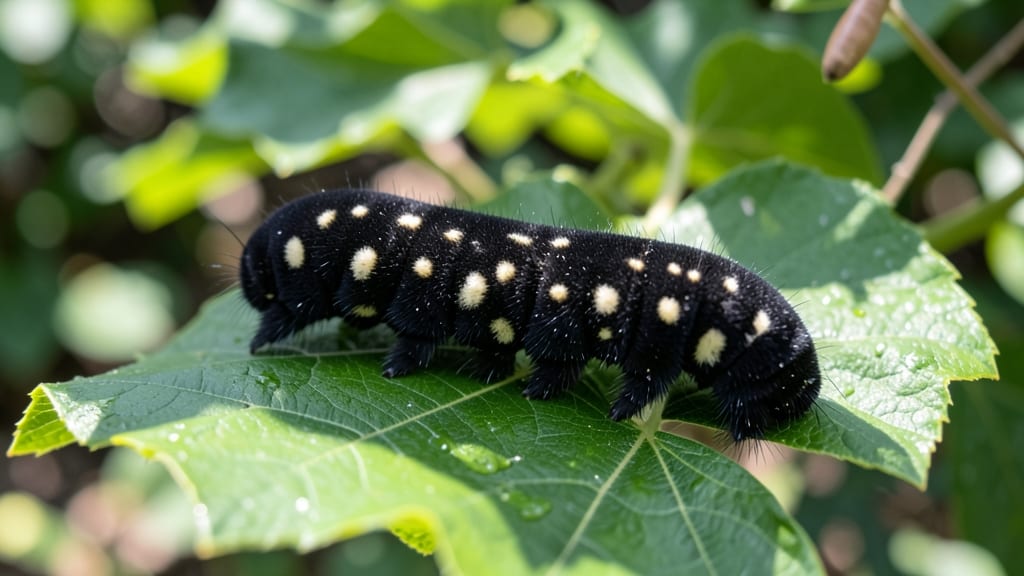
Your catalpa tree’s sudden defoliation isn’t just ugly—it’s a sign of those furry, inch-long caterpillars munching through leaves faster than you can say "summer shade loss." 🌿 These caterpillars (from the Lasiocampidae family) turn your tree into a skeleton overnight, but the good news?
You can stop them without harsh chemicals.
First, confirm the culprit: look for slender, green or brown caterpillars with a distinctive white stripe down their backs, and the telltale sawdust-like frass (poop) raining down. They’re harmless to humans but devastating to your tree’s health—if left unchecked, they’ll strip branches bare in just 2-3 weeks.
The key is acting fast before they pupate into moths and restart the cycle.
Start with manual removal: Drop caterpillars into soapy water (no chemicals needed) during cool mornings when they’re sluggish. For larger infestations, neem oil or Bt (Bacillus thuringiensis) sprays work like magic—safe for pets, kids, and beneficial insects. Prune and destroy heavily damaged leaves to break their life cycle.
Prevention is easier than cleanup: mulch around the base to discourage moths from laying eggs, and install tree bands in early spring to trap emerging caterpillars. With these steps, your catalpa will bounce back with full foliage by summer’s end—no chemicals required.
Natural Triggers Behind Caterpillar Outbreaks
Catalpa trees may look majestic, but their lush foliage can become a buffet for hungry Cercopia catalpae caterpillars—commonly called catalpa worms. These fuzzy, striped larvae thrive in specific conditions, turning your tree into a caterpillar hotspot.
Understanding the why behind their infestations helps you take targeted action. Here’s what’s really drawing them in:
Catalpa trees are a caterpillar’s favorite snack, but not all trees are equally appealing. When a catalpa tree is stressed, weakened, or overgrown, it becomes a prime target for these pests. Here’s how:
- Nutrient Deficiency: Trees lacking nitrogen, phosphorus, or potassium produce softer, more palatable leaves. A simple soil test can reveal deficiencies—look for yellowing leaves (chlorosis) or stunted growth.
- Water Stress: Overwatering or drought weakens a tree’s defenses. Caterpillars detect stressed trees through volatiles (chemical signals) released in the sap.
- Poor Pruning Practices: Overcrowded branches or deadwood create hiding spots. Prune in late winter to remove weak growth and improve airflow.
Actionable Fix: Fertilize with a balanced organic formula (like compost or fish emulsion) and ensure proper watering—deep but infrequent soaks encourage strong root systems.
In a balanced ecosystem, birds, wasps, and parasitic flies keep catalpa caterpillar populations in check. But when these predators disappear—due to habitat loss, pesticide use, or urbanization—caterpillars multiply unchecked.
- Bird Decline: Many birds (like robins or cedar waxwings) avoid trees treated with synthetic pesticides. Organic sprays or nectar-rich plants (e.g., milkweed) can lure them back.
- Parasitic Wasps: Tiny Apanteles wasps lay eggs inside caterpillars, killing them from within. These wasps thrive in undisturbed, pesticide-free environments.
- Fungal Pathogens: Beauveria bassiana, a natural fungus, infects caterpillars but needs humid conditions to spread. Mulching around the tree’s base retains moisture and encourages fungal growth.
Actionable Fix: Install birdhouses, plant native shrubs, and avoid broad-spectrum pesticides to restore predator populations.
Caterpillars prefer tender, young leaves—especially those on branches with high sugar content. When a catalpa tree produces excessive foliage (often due to excessive nitrogen), it becomes a caterpillar magnet.
- New Growth: Prune back vigorous spring shoots to reduce the caterpillar’s food supply.
- Storm or Hail Damage: Broken branches expose fresh, nutrient-rich tissue that caterpillars devour first.
- Fungal Leaf Spots: Diseases like anthracnose create soft, decaying spots that caterpillars target. Remove infected leaves promptly.
Actionable Fix: Thin out dense foliage in early spring and apply copper fungicide (organic option) to prevent fungal outbreaks.
Caterpillar outbreaks often spike during warm, wet springs—ideal conditions for egg-laying and larval growth. Here’s how climate plays a role:
- Mild Winters: Fewer freezes mean more surviving eggs. Catalpa caterpillars overwinter as pupae in soil or leaf litter.
- High Humidity: Moisture keeps eggs from drying out and speeds up larval development.
- Extended Growing Seasons: Longer summers give caterpillars more time to mature and reproduce.
Actionable Fix: Monitor egg masses (small, green clusters on undersides of leaves) in early spring and remove them manually. Mulch with wood chips to deter overwintering pupae.
Key Takeaway: Caterpillar infestations aren’t random—they’re a response to tree stress, predator loss, and environmental cues. By addressing these root causes, you can break the cycle without chemicals.
Quick Fixes for Tree Defoliators
If your catalpa tree is under siege by hungry caterpillars, don’t panic—there are effective, organic ways to reclaim your tree’s health without harsh chemicals. Below, we’ve mapped the most common causes of caterpillar infestations to practical, step-by-step solutions—plus prevention tips to keep your tree thriving long-term.
🔥 Handpick & Remove Larvae (Best for Small Infestations) If you spot large, fuzzy caterpillars (like catalpa sphinx moth larvae) munching away, manual removal is your first line of defense. - When to act: Early morning or evening (caterpillars are sluggish in cool temps). - How to do it: 1. Wear gloves (some caterpillars have irritating hairs).
- Shake branches over a bucket of soapy water (1 tbsp dish soap + water) to dislodge larvae.
- Drop them in the solution—it suffocates them instantly. - Pro tip: 💡 Check under leaves and tree bark crevices—larvae hide there!
🍳 Bacillus Thuringiensis (Bt) – The Organic Killer For larger infestations, Bacillus thuringiensis (Bt)—a natural soil bacterium—is highly effective against caterpillars. - How it works: Larvae ingest Bt spores, which destroy their digestive systems (harmless to humans, pets, and beneficial insects). - How to apply: 1. Mix Bt powder with water (follow label instructions).
- Spray thoroughly on top and bottom of leaves (focus on new growth).
- Reapply every 7–10 days or after rain. - Best time: Evening or cloudy days (UV light degrades Bt).
👨🍳 Neem Oil Spray (Deters & Smothers)
Neem oil disrupts caterpillar feeding and repels egg-laying moths—great for prevention and treatment.
- How to make a spray:
- 1 tbsp neem oil + 1 tsp mild soap + 1 quart water.
- Shake well and spray undersides of leaves (where eggs are laid).
- Reapply every 5–7 days until infestation clears.
- Pro tip: 🌡️ Warm the solution slightly (helps oil cling better to leaves).
🥘 Diatomaceous Earth (DE) – The Silent Guardian Food-grade diatomaceous earth (DE) is a non-toxic powder that dehydrates caterpillars by damaging their exoskeletons. - How to use: 1. Lightly dust DE on leaves and soil around the tree base.
- Reapply after rain (it loses effectiveness when wet). - Best for: Early-stage infestations or preventive care. - Caution: Avoid breathing DE—wear a mask when applying.
🔪 Prune & Destroy Damaged Folage (Stop the Spread)
Severely chewed leaves can’t recover, and eggs may hide in debris.
- What to do:
- Trim and remove heavily damaged leaves with pruning shears.
- Bag and discard (don’t compost—eggs may survive).
- Dispose of clippings in sealed trash to prevent reinfestation.
⏰ Timing Matters: When to Intervene
Caterpillars go through multiple life stages—act fast when you see:
- Newly hatched larvae (tiny, green, or black) → Bt or neem oil.
- Large caterpillars (1–2 inches) → Handpick + Bt.
- Empty cocoons (late summer) → Prune + DE for next season.
Once you’ve eliminated the current infestation, prevent future attacks with these low-effort strategies:
| Prevention Method | How to Do It | Best Time |
|---|---|---|
| 🌿 Healthy Tree Care | Water deeply 1–2x/week (stressed trees attract pests). Fertilize in early spring. | Spring & fall |
| 🕷️ Beneficial Insects | Attract parasitic wasps (natural caterpillar predators) with native plants. | Plant in early spring |
| 🌙 Moth Traps | Use pheromone traps to catch adult moths before they lay eggs. | Install in early summer |
| 🍂 Clean Up Debris | Remove fallen leaves & cocoons in late fall/winter. | After leaf drop |
| 🌱 Plant Resistant Varieties | Choose disease-resistant catalpa cultivars (e.g., ‘Purpus’ or ‘Aurea’). | When planting new trees |
🎯 Final Pro Tip: Monitor regularly—catching caterpillars early means less damage and fewer chemicals needed. A weekly 5-minute inspection (check undersides of leaves!) can save your tree from a full-blown infestation.
Now that you’ve got the tools and timing down, your catalpa tree can bounce back stronger—without a single chemical in sight! 🌳✨
Frequently asked questions
Are catalpa tree caterpillars harmful to humans or pets?
No, these caterpillars are completely harmless to humans and pets. While some may have irritating hairs, they can't sting or bite. The real concern is their damage to your tree—if left unchecked, they’ll strip leaves faster than your tree can regrow them!
How do I tell if my tree has a caterpillar problem or just normal shedding?
Look for these signs: slender green/brown caterpillars with white stripes, sawdust-like frass (poop) on leaves, and newly chewed leaves with ragged edges. Normal shedding happens gradually, while caterpillars create bald patches overnight.
Can I use vinegar spray to kill catalpa caterpillars?
Not effectively. Vinegar won’t kill caterpillars—it’s too weak against their protective hairs. For organic solutions, try Bt (Bacillus thuringiensis) or neem oil instead. These target caterpillars while being safe for your tree and beneficial insects.
Will my catalpa tree recover after a caterpillar attack?
Yes! Catalpa trees are resilient. If you act quickly (remove caterpillars and damaged leaves), new growth will emerge within 2-4 weeks. For severe defoliation, fertilize with compost to help recovery. Just avoid pruning until new leaves appear.
What’s the best time of year to prevent caterpillar infestations?
Start prevention in early spring by removing old leaf litter (where pupae hide) and installing tree bands to trap emerging caterpillars. Reapply neem oil every 2-3 weeks during peak caterpillar season (May-July).