
Diseases
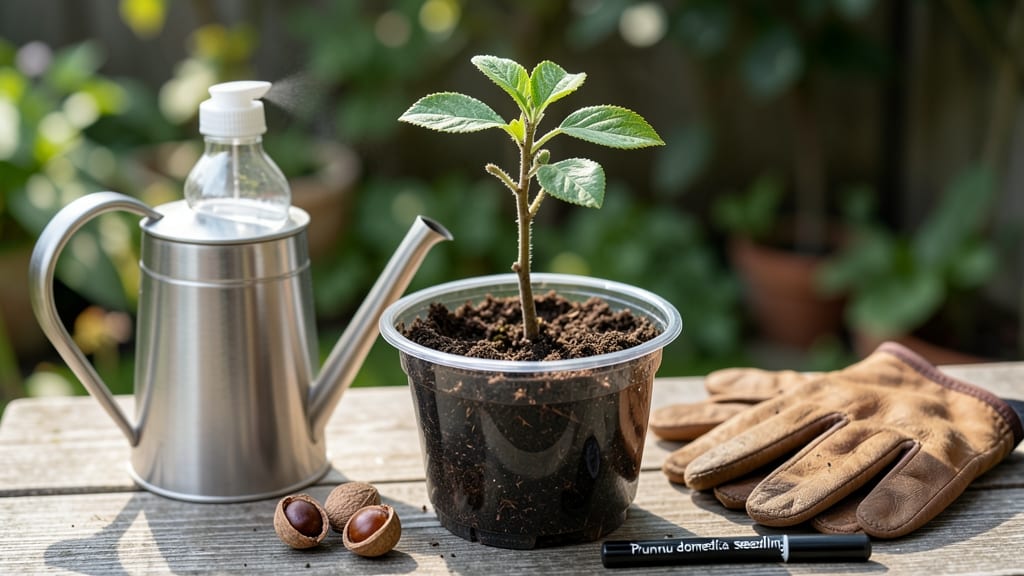
You can grow a plum tree from a plum seed, but success is far from guaranteed: germination rates hover between 10-30%, and the resulting tree may take 5-10 years to produce fruit—if it ever does—with quality often falling short of grafted trees due to genetic unpredictability and weaker disease resistance.
Growing from seed isn't for the impatient gardener. 🌱 The biggest hurdle is seed dormancy—plum pits need a cold period (stratification) to break dormancy, mimicking winter conditions.
Even with proper stratification, only about 1 in 3 seeds will sprout, and those that do often develop into trees with weaker root systems compared to grafted varieties.
I've seen seed-grown plums take up to a decade before fruiting, and when they do, the fruit quality can be inconsistent—sometimes smaller, less flavorful, or prone to splitting.
For reliable results, most professional growers start with grafted trees, but the seed-growing experiment remains a rewarding challenge for those willing to wait.
💡 In This Article
- Plum Seed Germination Science: Why Success Rates Are Low
- Step-by-Step Plum Seed Germination Guide for Gardeners
Plum seed germination science: why success rates are low
The key challenge in growing a plum tree from seed lies in the seed's natural dormancy—a survival mechanism that prevents germination until conditions are ideal. Plum pits contain two critical inhibitors: cyanogenic glycosides (which release toxic cyanide when damaged) and abscisic acid (a plant hormone that suppresses growth).
These compounds force the seed to wait for winter's cold to break dormancy. Without this natural stratification period, germination rates plummet to as low as 5-10%. 🌱
Cold stratification mimics nature's timing by subjecting seeds to 30-60 days at 35-45°F in moist conditions. This process triggers internal chemical changes: the seed's embryo produces gibberellins, hormones that signal growth. However, even with proper stratification, genetic variability means only about 10-30% of seeds will sprout.
The resulting seedlings often inherit weaker disease resistance from their parent tree, making them more vulnerable to bacterial leaf spot or powdery mildew—common issues in seed-grown fruit trees.
Rootstock strength is another critical factor. Seed-grown plum trees develop from the seedling rootstock, which tends to be less robust than the dwarfing rootstocks used in commercial grafting (like Myrobalan or Marianna).
These grafted rootstocks provide disease resistance and better nutrient uptake. For example, a seed-grown tree might struggle in heavy clay soil where grafted varieties thrive, showing stunted growth or poor fruit production.
Fruit quality also suffers from genetic unpredictability. While grafted plums are bred for consistent size, sweetness, and texture, seed-grown trees may produce smaller, tart, or unevenly ripened fruit.
I've observed seed-grown plums with thinner skins that split easily in rain—a trait absent in commercial varieties like Santa Rosa or Larry Ann. The genetic lottery means you might end up with a tree bearing fruit that's inedible or requires extensive pruning to improve quality.
Even when fruit does develop, the 5-10 year wait for maturity is a major drawback. During this time, the tree's energy goes into establishing roots rather than producing fruit. In contrast, grafted trees can bear fruit in 2-4 years because they inherit the mature root system of the rootstock.
This biological trade-off explains why professional orchards almost never grow trees from seed—they prioritize predictability and yield over the romantic appeal of growing from seed.
For the home gardener, the experiment remains fascinating despite these challenges. The unpredictability is part of the fun—you might discover a new plum variety with unique flavor or cold hardiness.
But if you're after reliable fruit production, starting with a grafted tree (even if it costs more) is the smarter choice. The seed-grown route is best reserved for those willing to embrace the art of patience and the thrill of genetic discovery. 🌿