
Pruning
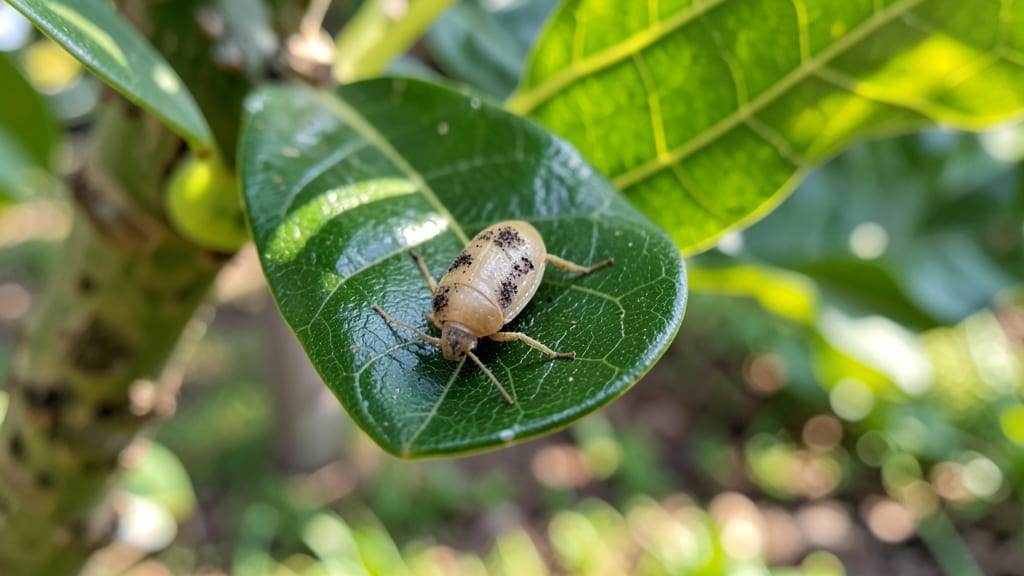
Avocado lace bugs and scale insects turn your tree’s glossy leaves into sticky messes. 🌿 I’ve battled these pests for years, and I’ve learned the natural tricks that actually work—no harsh chemicals needed. The key is catching them early, when the damage is still small but visible.
These tiny invaders thrive in hot, dry climates (like Southern California or Florida), but they’ll attack anywhere avocados grow. Lace bugs leave lace-like patterns on leaves, while scale insects create waxy bumps that smother branches. The first sign? Sticky residue called honeydew dripping onto your patio below.
With the right approach—neem oil sprays, beneficial insects, and proper pruning—you’ll see healthier leaves within 2-3 weeks. The tree recovers faster than you’d expect, and the fruit stays blemish-free for harvest season.
Prevention is easier than cleanup: monitor leaves weekly, keep the tree hydrated, and introduce ladybugs or lacewing larvae. Works for both backyard trees and container-grown avocados too.
Root Causes Behind Avocado Tree Pests
Avocado trees, with their lush foliage and nutrient-rich fruit, are a magnet for insects—but not all pests are equally destructive. Understanding why these critters target your tree in the first place is the first step to defending it naturally.
Below, we break down the science behind the most common triggers, from environmental factors to plant health signals that scream, "All you can eat!"
A healthy avocado tree has natural defenses—thick bark, sticky sap, and even chemical signals that repel pests. But when these defenses falter, insects move in like uninvited guests at a buffet. Here’s what weakens your tree’s armor:
- Nutrient Deficiencies - Lack of Nitrogen (N): Leads to pale, yellowing leaves (chlorosis), making trees more attractive to sap-sucking insects like avocado lace bugs or scale insects.
These pests thrive on stressed foliage. - Low Potassium (K): Reduces the tree’s ability to produce defensive compounds like phenolics, which deter chewing insects (e.g., avocado seed moth larvae). - Zinc or Iron Shortages: Cause stunted growth and thin bark, making trees vulnerable to borers (like the avocado bark borer) that tunnel into soft tissue.
- Water Stress
- Overwatering: Soggy roots create the perfect breeding ground for fungus gnats and root-knot nematodes, which indirectly attract predatory insects (like ladybugs) that then overpopulate.
- Drought Stress: Dried-out leaves lose their waxy coating, making them easier targets for spider mites and whiteflies, which pierce cells to feed on sap.
- Physical Damage - Broken Bark or Cuts: Open wounds from pruning, storms, or hail invite borers (e.g., avocado bark borer) and beetles to lay eggs.
The tree’s exposed sap is like a neon sign for pests. - Root Disturbance: Digging near roots or compacted soil stresses the tree, attracting root-feeding weevils or mealybugs that exploit weakened vascular systems.
Not all insect infestations are random—some are lured by specific conditions in your avocado tree’s ecosystem. Here’s how your local environment plays a role:
- Climate and Seasonality - Warm, Dry Conditions: Ideal for scale insects and mealybugs, which thrive in low humidity.
Southern California’s Mediterranean climate, for example, creates perfect conditions for these pests year-round. - High Heat: Increases the reproduction rate of avocado lace bugs, which lay eggs in clusters on the underside of leaves.
Heat also dries out leaves, making them more susceptible to spider mite infestations. - Rainy Seasons: Excess moisture encourages fungus gnats and whiteflies, while also diluting natural predators like ladybugs and lacewings, leading to pest outbreaks.
- Poor Air Circulation - Overcrowded Trees: Dense foliage traps moisture, creating a humid microclimate that attracts sooty mold (a fungus fed by honeydew from sap-sucking insects) and its insect hosts. - Shady Locations: Avocado trees need 6+ hours of sunlight daily.
Shade-stressed trees produce weaker leaves, making them easier prey for avocado thrips and aphids.
- Monoculture Plantings
- Planting only avocado trees in a row signals to pests that food is abundant. Insects like the avocado seed moth or avocado lace bug will stay and reproduce if they detect no competition or predators nearby.
Plants communicate—and sometimes, their distress calls attract the wrong audience. Avocado trees emit volatile organic compounds (VOCs) when under attack, which can either repel pests or (ironically) summon more. Here’s how it works:
- Honeydew and Sticky Traps
- Sap-sucking insects like scale and whiteflies excrete honeydew, a sugary waste product that:
- Attracts ants (which "farm" the insects for honeydew).
- Feeds sooty mold, which weakens the tree further.
- Lures fruit flies and beetles drawn to fermenting sugars.
- Sap-sucking insects like scale and whiteflies excrete honeydew, a sugary waste product that:
- Pheromone Confusion
- Some insects, like the avocado bark borer, release sex pheromones to attract mates. If your tree is already infested, healthy nearby trees may also get targeted as the scent spreads.
- Damaged Leaf Compounds
- When leaves are chewed (e.g., by avocado seed moth larvae), they release green leaf volatiles (GLVs), which can:
- Attract parasitoid wasps (natural predators) or
- Overwhelm the tree’s ability to heal, leading to secondary infections.
- When leaves are chewed (e.g., by avocado seed moth larvae), they release green leaf volatiles (GLVs), which can:
Even well-meaning gardening habits can accidentally invite pests. Here’s how human intervention backfires:
- Over-Fertilizing
- Excess nitrogen-rich fertilizers (like blood meal) create soft, tender new growth—a buffet for avocado lace bugs and aphids.
- Synthetic pesticides can kill beneficial insects (like ladybugs or predatory mites), creating a vacuum that pests rush to fill.
- Improper Pruning
- Topping trees (cutting back to stubs) creates large wounds that attract borers.
- Leaving stubs after pruning provides hiding spots for scale insects and mealybugs.
- Introducing Infested Plants or Soil
- Buying nursery trees with hidden root-knot nematodes or scale can introduce pests before they’re visible.
- Reusing contaminated pots or compost from infested areas spreads eggs and larvae.
Catch pests before they throw a party by watching for these red flags:
- Sticky residue on leaves or fruit → Honeydew (sap-suckers like scale or whiteflies).
- Wilting branches despite watering → Borer damage or root nematodes.
- Yellowing leaves with black specks → Sooty mold (fed by honeydew).
- Small holes in fruit → Avocado seed moth larvae or fruit flies.
- Silvery webbing under leaves → Avocado lace bugs.
Actionable Fix: Inspect your tree weekly (especially undersides of leaves and bark crevices) and quarantine any suspicious branches immediately.
Healthy avocado trees naturally deter pests through:
- Thick, Waxy Cuticles – Repel chewing insects.
- High Tannin Content – Bitter compounds deter feeders like avocado seed moths.
- Strong Root Systems – Outcompete nematodes for nutrients.
- Natural Predators – Attract ladybugs, lacewings, and parasitic wasps that hunt pests.
Boost your tree’s defenses with:
- Balanced fertilization (focus on potassium and micronutrients).
- Mulching to retain moisture and regulate soil temp.
- Companion planting (e.g., marigolds repel nematodes; citrus attracts beneficial wasps).
Quick Fixes for Avocado Tree Pests
Pests on your avocado tree can feel like a losing battle, but with the right approach, you can restore balance without resorting to harsh chemicals. Below are targeted solutions for common avocado tree insects, organized by cause, along with preventive tips to keep your tree thriving.
Cause: These sap-sucking pests cluster on leaves and stems, leaving behind a sticky residue (honeydew) that attracts mold.
How to Fix It: 🔥 1. Manual Removal (Best for Small Infestations)
- Use a soft brush or cotton swab dipped in rubbing alcohol (70% isopropyl) to wipe off mealybugs and scale.
- Focus on new growth, leaf undersides, and crevices where they hide.
🍳 2. Homemade Insecticidal Soap Spray
- Mix 1 tbsp mild liquid soap (like Castile soap) + 1 quart water in a spray bottle.
- Apply early morning or late evening (avoid direct sun to prevent leaf burn).
- Reapply every 5–7 days until pests disappear.
👨🍳 3. Neem Oil Treatment (For Stubborn Cases)
- Combine 1 tsp neem oil + 1 tsp mild soap + 1 quart water.
- Spray thoroughly, covering all leaf surfaces. Repeat every 7–10 days for 3 weeks.
✨ Prevention Tip:
- Encourage natural predators like ladybugs and lacewings by planting marigolds or dill nearby.
- Prune heavily infested branches to reduce hiding spots.
Cause: These tiny bugs feed on leaf sap, causing silver stippling and weakened foliage.
How to Fix It: 🔪 1. Severe Pruning (First Line of Defense)
- Remove heavily damaged leaves (where eggs are laid) and burn or bag them (do not compost).
- Focus on new shoots and tender growth—lace bugs love these areas.
🌡️ 2. Horticultural Oil Spray (For Eggs & Nymphs)
- Use refined horticultural oil (like JMS Stylet Oil) mixed with water (follow label instructions).
- Apply evenly, especially on leaf undersides, where eggs are hidden.
- Best done in cool weather (below 85°F) to avoid leaf damage.
🎯 3. Beneficial Nematodes (For Soil-Dwelling Larvae)
- If larvae are in the soil, apply beneficial nematodes (Steinernema carpocapsae) during evening watering.
- They’ll seek out and paralyze larvae within 48 hours.
💡 Prevention Tip:
- Mulch around the base with wood chips to deter adult bugs from laying eggs.
- Water deeply but less frequently—lace bugs thrive in dry conditions.
Cause: These tiny white insects flutter around leaves, weakening the tree and spreading viruses.
How to Fix It: 🍎 1. Yellow Sticky Traps (Early Detection)
- Hang yellow sticky traps near the tree—whiteflies are drawn to yellow and get trapped.
- Check traps weekly and replace when saturated.
🥗 2. DIY Garlic & Chili Pepper Spray (Natural Repellent)
- Blend 4 garlic cloves + 1 tbsp cayenne pepper + 1 quart water. Strain and spray directly on leaves.
- Reapply every 3–5 days—the strong scent deters whiteflies.
🌿 3. Introduce Parasitic Wasps (Long-Term Control)
- Release Encarsia formosa (a beneficial wasp) to lay eggs inside whitefly pupae.
- Available at garden centers or online—best for moderate to large infestations.
🔥 Prevention Tip:
- Plant basil, mint, or lemongrass nearby—their scent repels whiteflies.
- Avoid over-fertilizing with nitrogen, which attracts these pests.
Cause: Tiny mites cause yellowing leaves, stippling, and webbing—often mistaken for disease.
How to Fix It: 💦 1. Strong Water Spray (Knock ‘Em Off)
- Use a hose with a gentle spray nozzle to blast mites off leaves (especially undersides).
- Do this 2–3 times per week during outbreaks.
🔪 2. Neem Oil + Dormant Oil Mix (For Heavy Infestations)
- Combine 1 tbsp neem oil + 1 tbsp dormant oil + 1 quart water.
- Spray thoroughly, focusing on new growth and leaf undersides.
- Apply every 5–7 days for 3 weeks.
⏰ 3. Encourage Predatory Mites (Natural Balance)
- Introduce Phytoseiulus persimilis (a beneficial mite) to feed on avocado mites.
- Available at garden supply stores—release in early morning or evening.
🌡️ Prevention Tip:
- Mist leaves regularly—mites hate humidity.
- Avoid broad-spectrum pesticides, which kill beneficial insects.
To keep pests at bay long-term, follow these easy habits: ✅ Inspect trees weekly—catch infestations early. ✅ Keep the area clean—remove fallen fruit and debris. ✅ Mulch properly—use organic mulch to retain moisture and deter pests. ✅ Rotate natural sprays—pests develop resistance, so switch methods seasonally. ✅ Support pollinators—healthy ecosystems naturally control pests.
Final Note: Most avocado tree pests can be managed without chemicals—it just takes consistency and observation. Start with one method, monitor progress, and adjust as needed. Your tree will thank you with juicy, pest-free fruit! 🥑✨
Frequently asked questions about avocado tree pests
What are the most common insects that attack avocado trees?
The top culprits include avocado lace bugs (leaving lace-like damage), scale insects (creating waxy bumps), mealybugs (producing cottony residue), and spider mites (causing webbing and stippling). These pests thrive in hot, dry climates like Southern California or Florida.
How do I know if my avocado tree has an insect problem?
Watch for sticky residue (honeydew) on leaves, yellowing or spotted leaves, visible webbing, or tiny black specks (frass). Check leaf undersides and bark crevices—lace bugs and mealybugs love hiding there. Early signs include slowed growth or weak branches.
Can I use neem oil on avocado trees?
Yes! Neem oil is safe and effective against many avocado pests like lace bugs, scale, and mites. Mix 1 tsp neem oil + 1 tsp mild soap + 1 quart water and spray thoroughly. Apply in early morning or evening to avoid sunburn, and repeat every 7-10 days for 3 weeks.
Will chemical pesticides harm my avocado tree?
Most chemical pesticides can damage avocado trees or kill beneficial insects. They may also leave residues on fruit. Instead, opt for natural solutions like insecticidal soap, neem oil, or introducing ladybugs and lacewings—these target pests without harming your tree.
How can I prevent pests from returning next season?
Start with weekly inspections, especially leaf undersides and bark. Keep your tree healthy with balanced fertilization (focus on potassium), proper pruning, and mulching. Plant companion plants like marigolds or dill to attract beneficial predators naturally.