
Pruning
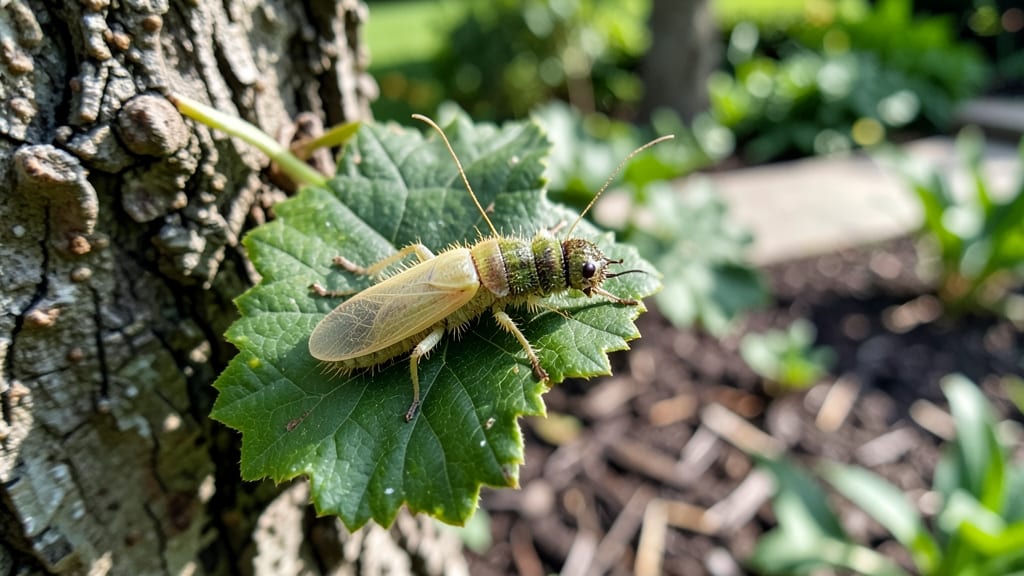
Hackberry nipple gall makers turn your tree’s leaves into a bumpy mess, but I’ve found the natural fixes that actually work. 🌿 These tiny insects create those weird nipple-like galls, but with the right approach, you can keep your tree thriving without harsh chemicals.
The key is early action—once the galls appear, it’s too late for that season, but you can still save next year’s foliage.
Most people reach for sprays, but I’ve had the best luck with horticultural oil in early spring before the bugs hatch. A single application in late winter or early spring suffocates the eggs without harming bees or butterflies.
For spider mites and scale, neem oil mixed with water (1 tablespoon per gallon) does the trick—just spray the undersides of leaves where they hide.
Your tree will reward you with smooth, healthy leaves by summer if you act now. The secret is consistency: check for eggs in spring, treat preventatively, and monitor for new activity. Over time, your hackberry will bounce back stronger, with fewer pests and more shade for your yard.
Works for any hackberry, whether it’s a young sapling or a mature giant. The same methods handle spider mites, scale, and even borers—just adjust the timing. Let’s get your tree back to its best!
Root Causes of Hackberry Tree Pests
Understanding why insects target your hackberry tree starts with recognizing its natural appeal—and its vulnerabilities. Hackberry trees (Celtis spp.) are nutrient-rich, fast-growing, and produce abundant berries, making them a buffet for pests.
Below, we break down the key reasons these insects show up in your yard, from ecological factors to tree health signals.
Hackberry trees produce high-protein leaves and sweet, fleshy berries, which act like a magnet for insects. Here’s why:
- Leafy Buffet: The high nitrogen content in hackberry leaves makes them a prime food source for caterpillars, aphids, and leaf miners.
These insects thrive on young, tender foliage, which is packed with nutrients for growth. - Berry Bonanza: Ripe hackberry fruits contain simple sugars and soft pulp, attracting fruit flies, berry maggots, and beetles.
Once insects feed on the berries, they may also damage the tree’s bark or spread diseases as they move between trees. - Seasonal Surge: Insect populations explode in late spring and summer when new leaves emerge and berries ripen, leading to visible defoliation or fruit damage if left unchecked.
Pro Tip: 💡 Healthy trees with balanced nutrients (especially potassium and phosphorus) can better resist pest attacks—think of it like a strong immune system!
A stressed or weakened hackberry tree is far more susceptible to insect attacks. Common stressors include:
| Stressor | How It Weakens the Tree | Resulting Pest Risk |
|---|---|---|
| Drought Stress | Leaves wilt, reducing sap flow and nutrient transport | Aphids, scale insects, and bark beetles target weakened sap systems. |
| Poor Soil Drainage | Root rot or waterlogged soil limits nutrient uptake | Borers and woodpeckers (which follow borer trails) increase. |
| Over-Pruning | Removes too much foliage, reducing energy for defense | Leaf-eating caterpillars and sawflies move in faster. |
| Disease (e.g., Anthracnose, Powdery Mildew) | Fungal infections create entry points for insects | Sap-sucking insects (like mealybugs) thrive on damaged tissue. |
Warning: ⚠️ If your tree has yellowing leaves, oozing sap, or excessive leaf drop, it’s already sending out a distress signal to pests!
Not all insects are the villains—some are accidental allies that worsen problems:
- Birds Spread Eggs & Larvae: Robins, cedar waxwings, and starlings eat hackberry fruits but excrete undigested insect eggs (like berry maggot eggs) onto other trees.
- Squirrels and Raccoons: These animals chew bark to reach sap or insects, creating wounds that attract borers and beetles.
- Beneficial Insects Gone Rogue: While ladybugs and lacewings eat aphids, they may also compete with your tree’s natural defenses if their populations explode due to an overabundance of prey.
Fun Fact: 🐦 A single robin can deposit hundreds of berry maggot eggs in a season—making bird activity a major pest multiplier!
Insect life cycles are highly sensitive to temperature and moisture. Hackberry trees in certain climates face year-round or seasonal pest surges:
- Warm, Humid Summers 🌡️➡️ Faster insect reproduction (e.g., hackberry nipple gall makers thrive in heat).
- Mild Winters ❄️➡️ Overwintering pests survive (e.g., scale insects and spider mites don’t die off).
- Late Springs 🌸➡️ Synchronized hatching of leaf miners and caterpillars when buds break.
- Drought Followed by Rain ☔💦➡️ Stressed trees + sudden moisture = fungal growth + soft bark (perfect for borers).
Regional Note: 🌎 Southern states (e.g., Texas, Florida) see year-round infestations, while northern trees may only face spring/summer outbreaks.
Even well-meaning gardening practices can unintentionally invite pests:
- Over-Fertilizing with Nitrogen 🌿➡️ Softer, more palatable leaves for caterpillars.
- Ignoring Mulch Piles 🪵➡️ Harbors overwintering insects like hackberry psyllids.
- Planting Near Wild Hackberries 🌳➡️ Creates a pest reservoir—infested wild trees spread to your landscape.
- Using Broad-Spectrum Pesticides 💊➡️ Kills natural predators (like parasitic wasps), leading to pest explosions.
Avoid This Mistake: ❌ Never prune in wet weather—fresh cuts attract bark beetles and borers within hours!
Natural Ways to Treat Hackberry Tree Pests
When hackberry trees fall prey to insects, swift and strategic action can restore their health without harsh chemicals. Below are targeted solutions for common pests, along with proactive prevention tips to keep your tree thriving.
Cause: Tiny sap-suckers like spider mites and aphids weaken leaves, causing yellowing and stunted growth. Fix:
- 💦 Rinse Off Infestations: Use a strong spray of water (50–70 PSI) to dislodge pests from leaves. Repeat every 3–5 days for severe cases.
- 🧴 Soap Spray Solution: Mix 1 tablespoon of horticultural oil or insecticidal soap with 1 quart of water. Spray undersides of leaves (where mites hide) in the early morning or late evening to avoid burning foliage.
- 🌿 Companion Planting: Interplant with marigolds or garlic to repel aphids naturally.
💡 Pro Tip: Check leaves with a hand lens—mite webs look like fine silk threads on undersides.
Cause: These small, jumping insects cause curled leaves and sticky honeydew, attracting sooty mold. Fix:
- ✂️ Prune Damaged Growth: Remove and dispose of heavily infested leaves/twigs in a sealed bag (do not compost).
- 🕷️ Yellow Sticky Traps: Hang yellow cards coated with petroleum jelly near the tree to catch adults.
- 🌿 Neem Oil Spray: Apply neem oil (1 tsp per quart of water + a drop of dish soap) every 7–10 days until adults emerge (spring).
⏰ Timing Matters: Treat early spring (before eggs hatch) for best results.
Cause: Microscopic nematodes in the soil damage roots, stunting growth and causing wilting. Fix:
- 🌱 Plant Resistant Varieties: Choose ‘Annapolis’ or ‘Dwarf Hackberry’—they’re less susceptible.
- 🔥 Solarization: Cover soil with clear plastic for 4–6 weeks in hot sun to kill nematodes.
- 🌿 Beneficial Nematodes: Apply **beneficial Steinernema nematodes (sold at garden centers) to the root zone in early fall or spring.
🎯 Prevention: Avoid overwatering—nematodes thrive in soggy soil.
Cause: Wood-boring insects tunnel into bark, weakening the tree and creating entry points for disease. Fix:
- 🔪 Remove Infested Wood: Cut out and burn (don’t chip) bored branches. Seal stumps with pruning paint.
- 🛡️ Beneficial Insects: Introduce parasitic wasps** (like Scolia species) to prey on larvae.
- 🌿 Wood Ash Barrier: Sprinkle wood ash around the base to deter beetles (reapply after rain).
🔥 Emergency Action: If the tree is severely compromised, consult an arborist for systemic treatments like imidacloprid (use sparingly).
Keep hackberry trees healthy year-round with these low-effort strategies: - 🌱 Mulch Wisely: Use 3–4 inches of organic mulch (wood chips) to deter pests and retain moisture. - 💧 Water Deeply: Deep watering 2–3 times per week (vs. light daily watering) reduces stress, making trees less attractive to pests. - 👀 Monitor Regularly: Inspect leaves, bark, and soil monthly—catch infestations early! - 🍃 Avoid Over-Fertilizing: Excess nitrogen attracts sap-sucking insects.
Use a balanced, slow-release fertilizer.
🌟 Bonus: Invite ladybugs, lacewings, and birds to your garden—they’re natural pest predators! Install a birdhouse or bee bath to encourage them.
Frequently asked questions
What are those weird nipple-like bumps on my hackberry leaves?
Those are galls caused by hackberry nipple gall makers—tiny wasp larvae that inject their eggs into leaves. The galls won’t kill your tree, but heavy infestations can weaken it. Apply horticultural oil in late winter to smother overwintering eggs before they hatch.
Why do spider mites love my hackberry tree?
Spider mites thrive on hackberries because the leaves provide an ideal food source. They especially love dry, hot conditions—keep your tree well-watered and spray undersides with neem oil (1 tbsp per gallon) every 7-10 days during outbreaks.
Can I use regular dish soap to kill scale insects?
Yes! Mix 1 tablespoon of mild dish soap with 1 quart of water and spray directly on scale insects. The soap breaks down their protective coating. For stubborn cases, add 1 tablespoon of horticultural oil to the mix for better results.
How do I know if my hackberry has borers?
Look for D-shaped exit holes in the bark, sawdust-like frass, or woodpecker activity. If you find these signs, prune and burn infested branches immediately—never compost them. For severe cases, consult an arborist about beneficial nematodes.
Will removing hackberry fruits help with pest problems?
Hackberry fruits attract fruit flies, beetles, and birds that spread eggs. Remove fallen berries regularly and consider pruning fruit clusters in early summer to reduce pest populations. This also improves air circulation around the tree.