
Pruning
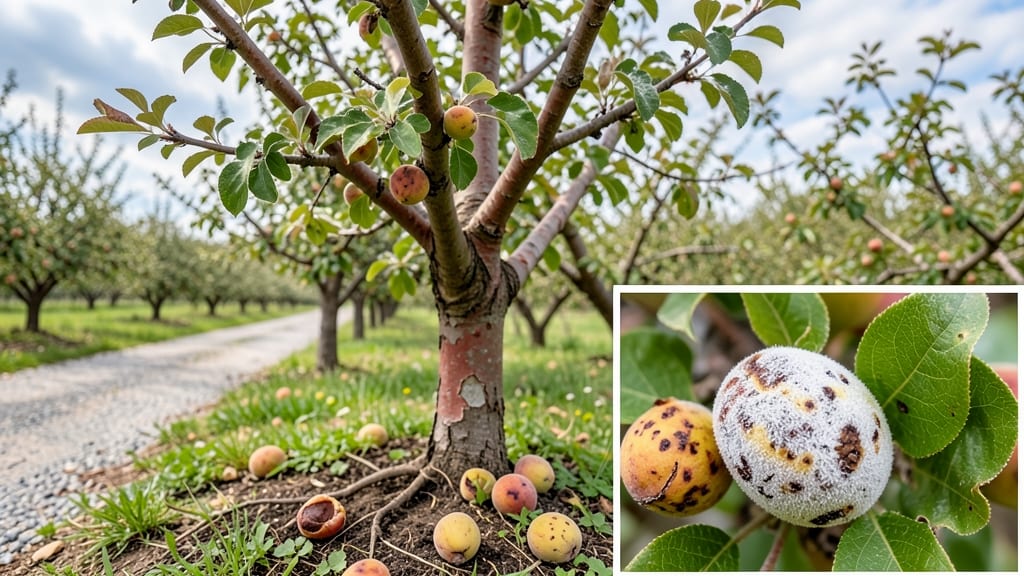
Your apricot tree's dormant season is the perfect time to fix last year's problems before spring blooms. 🌱 I've seen trees go from sparse fruit to heavy harvests in just one season by tackling issues now—before pests wake up or buds open.
The biggest culprits are hidden damage from last year: fungal cankers lurking under bark, winter burn from sun scald, or weak structure from poor pruning. These often show up as cracked bark, dead branches, or slow growth. The good news?
Dormant season gives you access to every part of the tree without stressing it. You'll end up with a tree that blooms more heavily, sets better fruit, and resists disease better.
The key is a sharp eye for damage, the right tools, and a few simple techniques that take 30 minutes but save hours of cleanup later. Let's get those branches in shape!
Start by examining the tree from top to bottom for signs of trouble. Look for sunken cankers, peeling bark, or branches that look dead but are still attached—these are prime spots for fungal infections.
Winter burn shows up as brown, crispy edges on leaves or branches, usually on the south or west side. These issues won't fix themselves, but they're easy to address now when the tree isn't actively growing.
The solutions are straightforward: prune out dead or diseased wood with clean, sharp tools, apply a thin layer of dormant oil spray for pests, and consider a balanced fertilizer to boost next year's growth.
I've found that one hour of careful work now prevents weeks of frustration later when fruit is supposed to be forming.
What you'll notice by next spring is a tree that looks healthier from the ground up. The blooms will be more abundant, the fruit will set better, and the tree will have the energy to fight off pests naturally.
The best part? These fixes work for any apricot tree, whether it's a young sapling or a mature producer.
For those in colder climates, focus extra on winter protection—wrap young trees, avoid late-season pruning, and watch for frost cracks. In warmer areas, dormant season is still the best time to prune and treat, even if your winters are mild.
The principles stay the same: clean up, strengthen structure, and give the tree a fresh start.
Root causes behind apricot tree struggles
When your apricot tree looks less than its vibrant best—whether it’s dropping buds, producing sparse fruit, or showing signs of disease—there’s usually a scientific reason lurking beneath the surface. Understanding these triggers helps you address the issue at its source, especially during the dormant season when trees are most vulnerable.
Let’s break down the key factors that turn a thriving apricot tree into a struggling one.
Apricot trees are dormant-season dependent—they require a specific number of hours below 45°F (7°C) to break dormancy and trigger healthy blooming. Without enough cold exposure, buds fail to open, or flowers emerge weak and drop prematurely.
Why it happens:
- Modern climate shifts (warmer winters) reduce chill hours, disrupting the tree’s internal clock.
- Young trees or newly planted apricots may not have built enough cold tolerance.
- Scientific link: The DORMANCY gene in apricots activates only after sufficient cold exposure, signaling the tree to produce hormones like florigen, which prompts flowering. Skip the chill, and the signal never fires.
Apricot trees are heavy feeders, especially during dormancy when they’re stockpiling nutrients for spring growth. If the soil lacks key elements, the tree’s immune system weakens, making it prone to disease, stunted growth, or poor fruit set.
Why it happens:
- Nitrogen deficiency: Leads to pale leaves, weak stems, and reduced flower production. Nitrogen is critical for chlorophyll synthesis, but excess can also burn roots in winter.
- Potassium and phosphorus imbalances: Potassium regulates osmotic balance in cells, helping trees withstand cold stress. Phosphorus fuels root and flower development. Low levels = poor dormancy recovery.
- Compacted or waterlogged soil: Restricts root oxygen uptake, causing anaerobic stress and root rot. Apricots hate “wet feet” in winter.
Pro tip: Test your soil in late fall—ideal pH for apricots is 6.0–7.0. Amend with compost or organic matter to improve structure and nutrient retention.
Dormant apricot trees aren’t immune to pests and diseases—they’re just less obvious about it. Fungi like Monilinia (brown rot) and bacteria such as Pseudomonas syringae (bacterial leaf spot) thrive in winter, lying in wait to infect as temperatures rise.
Why it happens:
- Moisture + cold = fungal spore survival: Fungi like Monilinia produce sclerotia (hard, dormant survival structures) in mummified fruit or cankers. When spring rains arrive, spores germinate and infect blossoms.
- Wound entry points: Pruning cuts, frost cracks, or insect damage create gateways for pathogens. Bacteria exploit these to invade vascular tissues, clogging xylem and causing bacterial canker.
- Overhead irrigation in winter: Keeps foliage wet, extending the window for Alternaria (another fungal culprit) to spread.
Key fact: P. syringae produces toxins that trigger ice nucleation, making frost damage worse—so infected trees suffer double trouble.
Apricot trees are resilient, but they hate aggressive pruning or harsh winter weather. Both can disrupt the tree’s energy reserves and structural integrity, leading to dieback, poor blooming, or even death.
Why it happens:
- Late-season pruning: Removing branches after leaf fall (not before dormancy) exposes fresh cuts to fungal spores. Apricots should be pruned in late winter/early spring (just before buds swell).
- Over-pruning: Reduces the tree’s leaf-to-fruit ratio, limiting photosynthesis for next year’s growth. Aim to remove no more than 20–30% of branches per year.
- Frost cracks: Rapid temperature swings (e.g., 30°F (-1°C) to 50°F (10°C)) cause bark to split, inviting bacterial canker or Eutypa dieback.
- Hail or wind damage: Shatters buds or breaks branches, diverting energy from fruit production to repair.
Science note: Apricot bark contains lenticels (porous tissues) that exchange gases. When damaged, these become entry points for pathogens.
Even with perfect buds, apricot trees can fail to set fruit due to lack of pollinators or environmental stressors like drought or heat spikes during bloom.
Why it happens:
- Limited bee activity: Apricots are self-pollinating but inefficient—they rely on bees to transfer pollen. Early blooms (before bees wake up) or late frosts can reduce pollination success by up to 70%.
- Heat stress during bloom: Temperatures above 86°F (30°C) can sterilize pollen or cause flower drop. This is why apricots often struggle in Zone 8+ without chill.
- Drought stress: Even dormant trees lose moisture. Severe winter drought weakens roots, reducing the tree’s ability to transport nutrients to blossoms.
Fun fact: Apricot flowers are protandrous—male parts release pollen before female stigmas are receptive. A single late frost can sync them up poorly, leading to poor fruit set.
Quick Fixes for Common Apricot Tree Struggles
When your apricot tree shows signs of stress during dormancy, acting fast can mean the difference between a sparse harvest and a lush, fruitful season. Below are practical, step-by-step solutions tailored to the most common issues—plus prevention tips to keep your tree thriving long-term.
Cause: Weak dormancy care, over-pruning, or nutrient deficiencies. Solution:
- Boost Winter Nutrition 🍃
- Spread 2–3 inches of compost or well-rotted manure around the tree’s drip line in early spring (before buds swell).
- Apply a balanced fertilizer (10-10-10) in late winter, following package rates. Avoid high-nitrogen fertilizers in fall—they promote leafy growth over flowers.
- Prune Strategically ⏰ - When: Late winter (just before buds break). - How: Remove dead, crossing, or inward-growing branches first.
Then, thin out 20–30% of the canopy to improve airflow and sunlight penetration. - Pro Tip: 💡 Look for "spurs" (short, stubby branches with clusters of buds)—these are your fruit-producing powerhouses. Never cut them off!
- Encourage Flowering with Hormones 🌸
- If your tree is young or struggling, a dormant spray of hydrogen peroxide (3%) or seaweed extract can stimulate bud development. Apply in late winter.
Prevention:
- Mulch properly (3–4 inches of organic mulch) to protect roots from temperature swings.
- Avoid heavy pruning in fall—it stresses the tree before winter.
Cause: Weakened trees attract pests, especially after drought or poor pruning. Solution:
- Spot Clean Infestations 🔍
- Scale insects: Scrape off clusters with a plastic scraper or rubbing alcohol-soaked cotton ball (70% isopropyl).
- Aphids: Blast off with a strong stream of water or spray with neem oil (1 tsp per quart of water).
- Target Borers with Systemic Treatments 🛡️
- For peach twig borers or shothole borers, apply imidacloprid (systemic insecticide) in early spring (before buds open). Follow label rates—overuse can harm bees!
- Alternative: Beneficial nematodes (for soil-dwelling larvae) applied in fall or early spring.
- Encourage Natural Predators 🐝
- Plant dill, fennel, or yarrow nearby to attract ladybugs and lacewings, which devour aphids and scale.
Prevention:
- Prune out infested branches immediately and burn or bag them (don’t compost!).
- Keep the area weed-free—weeds harbor pests.
Cause: Sudden temperature drops, poor insulation, or late-season frost. Solution:
- Insulate the Trunk ❄️
- Wrap the lower trunk (up to 3 feet high) with tree wrap or burlap in late fall (after hard frosts).
- Pro Tip: 🌡️ Use a heat lamp on extremely cold nights (below 15°F) for young trees—place it 2–3 feet away from branches.
- Protect Buds from Frost 🌸
- Cover new growth with frost cloth if a late frost is forecasted (remove during the day to avoid overheating).
- Avoid watering in late fall—wet bark freezes and cracks.
- Revive Damaged Branches 🔄
- If branches blacken but aren’t mushy, they may recover. Prune back to healthy wood in early spring.
- If sap oozes (sign of severe damage), apply pruning sealant to prevent disease entry.
Prevention:
- Choose cold-hardy varieties (e.g., ‘Royal’ or ‘Blaze Gold’) if you live in Zone 5 or colder.
- Water deeply in late summer to build root reserves for winter.
Cause: Root rot, soil compaction, or chronic neglect. Solution:
- Test & Amend the Soil 📊
- Conduct a soil test (available through local extension offices). Apricots thrive in slightly acidic to neutral soil (pH 6.0–7.0).
- Amend heavy clay soil with sand and compost to improve drainage.
- Aerate Compacted Roots 🌱
- Use a garden fork to loosen soil around the drip line (6–12 inches deep) in early spring.
- Top Tip: ✨ Mix in mycorrhizal fungi to boost root health—it’s like a probiotic for your tree!
- Deep Water & Mulch 💧
- Water slowly but deeply (1–2 inches per week) during dormancy to prevent root desiccation.
- Reapply mulch (wood chips or straw) to retain moisture and regulate soil temp.
Prevention:
- Avoid overwatering—apricots hate "wet feet."
- Plant in well-draining soil (never in low spots where water pools).
Final Pro Tip: 🎯 Keep a tree care journal—note pruning dates, pest outbreaks, and weather extremes. Patterns emerge over time, helping you predict and prevent future issues!
Frequently asked questions
Why are my apricot tree branches dying even though the tree looks healthy?
This often signals bacterial canker or Eutypa dieback, which spread through cracks in the bark. Check for sunken, oozing cankers or blackened branches—these are classic signs. Prune out infected wood 3–4 inches below the damage with sterilized tools, then apply copper fungicide to prevent spread. The dormant season is the best time to catch this before it worsens in spring.
Can I save my apricot tree if it has brown rot (Monilinia) from last year?
Yes, but act fast! Remove and destroy all mummified fruit and infected branches (don’t compost them). Apply a baking soda spray (1 tbsp baking soda + 1 tsp dish soap per gallon of water) in late winter to prevent spores from germinating. For severe cases, use dormant oil or a copper-based fungicide to smother overwintering fungi. This disease thrives in wet conditions, so improve airflow with pruning.
How do I know if my apricot tree isn’t getting enough chill hours?
Look for poor bud break or sparse, weak flowers—these are red flags. Apricots need 300–700 chill hours below 45°F (7°C). If your area gets fewer than 300 hours, consider cold-hardy varieties like ‘Royal’ or ‘Blaze Gold’. You can also force dormancy by giving the tree a deep watering in late summer to build reserves, then protecting it from warm spells with shade cloth during winter.
What’s the best way to prune apricot trees in winter to avoid disease?
Prune only when the tree is fully dormant (late winter, just before buds swell). Use sharp, sterilized tools (rub with 70% isopropyl alcohol) and make cuts at a 45-degree angle, 1/4 inch above a bud. Remove dead, crossing, or diseased branches first, then thin the canopy to 20–30% for better airflow. Seal larger cuts with pruning sealant to prevent fungal entry. Never prune in wet weather—this spreads spores.
Why does my apricot tree keep getting frost cracks, and how can I prevent them?
Frost cracks occur when rapid temperature swings (30°F to 50°F) cause bark to split. Wrap the trunk with tree wrap or burlap in late fall (after hard frosts) to protect it. Avoid overwatering in late fall—wet bark freezes and cracks more easily. For young trees, use a heat lamp on nights below 15°F. If cracks appear, clean them with hydrogen peroxide and seal with pruning sealant to prevent bacterial infections.