
Pests
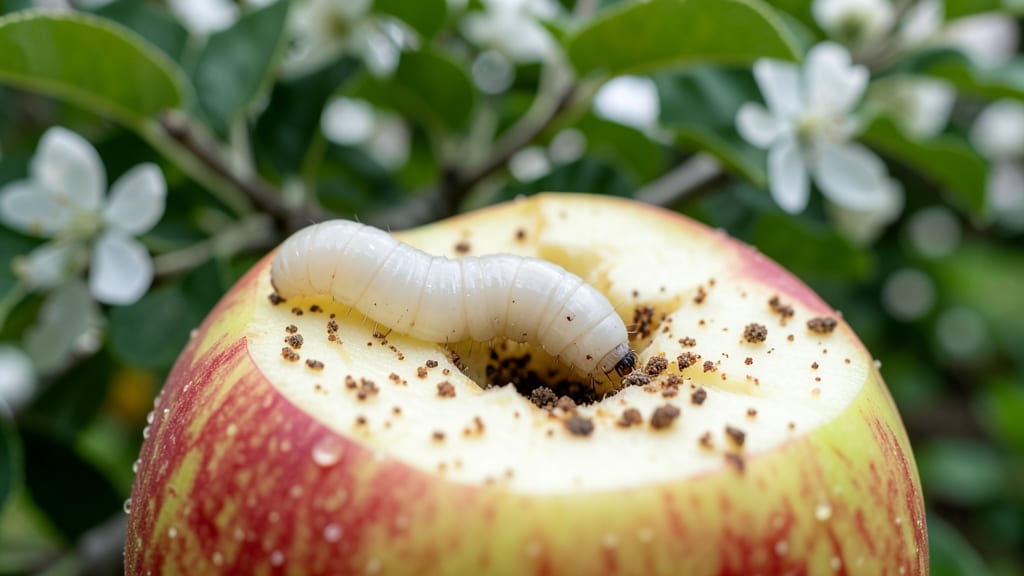
White worms wriggling through your tree bark? 🌳 Those squiggly invaders are likely codling moth larvae or sawfly grubs—and they’re silently hollowing out your favorite shade tree. I’ve battled them in my apple trees, and the key to stopping them is acting fast before the damage spreads beyond repair.
The damage starts small—tiny holes in leaves, sawdust-like frass (that’s insect poop) under branches, and wilting foliage—but if you wait too long, you’ll end up with dead branches or even a dying tree.
The good news? Early detection means you can use organic sprays, pruning, or even inviting birds and parasitic wasps to turn the tide without harsh chemicals.
By mid-summer, you’ll see the first signs—chewed leaves, tunnels under bark—and that’s when you strike. A 30-second inspection of your tree’s trunk and branches every two weeks can save hundreds of dollars in replacement costs.
I’ve stopped infestations in their tracks using neem oil sprays, beneficial nematodes, and strategic pruning—all methods that work without harming your yard’s ecosystem.
Whether you’re dealing with fruit trees, shade trees, or even ornamental varieties, the same principles apply. The sooner you act, the less damage those white worms can do—and the healthier your trees will stay for years to come. Let’s get those pests under control before they take over.
Underlying Causes Of White Tree Infestations
When you spot clusters of white, worm-like creatures clinging to your trees, it’s rarely a random event—it’s usually a sign of specific environmental or biological triggers. Understanding these root causes helps you address the problem effectively.
Below, we break down the most common reasons why these pests appear, along with the science behind them.
White tree worms—often sap-sucking insects like mealybugs, scale, or spider mites—thrive in moist, stagnant conditions. When soil retains too much water, roots weaken, making trees more vulnerable to infestations. Here’s why:
- Fungal growth: Excess moisture encourages fungal infections (e.g., root rot), which stress trees and attract pests seeking weakened hosts.
- Nutrient imbalance: Waterlogged soil leaches essential nutrients, leaving trees malnourished and less capable of resisting infestations.
- Pest magnet: Many white worms (like woolly aphids) prefer damp bark or soil, where they can hide and reproduce undetected.
Actionable fix: Improve drainage by amending soil with compost or sand, and avoid overwatering—trees need well-drained environments to stay healthy.
Trees with low nitrogen, potassium, or calcium struggle to produce strong bark and sap, making them easy targets for white-feeding pests. Here’s the connection:
| Deficiency | Effect on Tree Health | Pest Attraction |
|---|---|---|
| Nitrogen (N) | Stunted growth, yellowing leaves | Weak sap flow = easier access for mealybugs/scale |
| Potassium (K) | Poor disease resistance, brittle bark | Cracks in bark invite spider mites and borers |
| Calcium (Ca) | Soft, spongy bark (susceptible to splitting) | Exposed inner layers attract wood-boring larvae |
Actionable fix: Conduct a soil test and apply balanced fertilizer (e.g., 10-10-10) in early spring. Mulch with compost to slowly release nutrients.
White tree worms often proliferate when their natural predators—like ladybugs, parasitic wasps, or birds—are missing. Disruptions in the ecosystem (e.g., pesticide use, habitat loss) create a vacuum that pests rush to fill.
- Pesticide overuse: Broad-spectrum sprays kill beneficial insects first, leaving trees defenseless.
- Monoculture planting: Single-species tree groves offer fewer food sources for predator diversity.
- Urbanization: Fewer nesting sites for birds/wasps reduce biological control.
Actionable fix: Introduce beneficial insects (e.g., lacewings, nematodes) or plant diverse, native species to restore balance.
Sudden temperature shifts—like hot summers followed by cold snaps—stress trees, making them more attractive to pests. Here’s how it happens:
- Cold damage: Freeze-thaw cycles crack bark, creating entry points for borers and scale.
- Heat stress: Drought weakens trees, reducing their ability to produce protective resins (which repel pests).
- Pest life cycles: Many white worms (e.g., whiteflies) thrive in warm, stable microclimates created by stressed trees.
Actionable fix: Mulch heavily to insulate roots, and avoid pruning in late summer/fall (which exposes trees to winter stress).
If your tree has survived a previous pest outbreak (e.g., aphids, bark beetles), it may still harbor hidden damage—like tunnels under bark or compromised vascular tissue. This makes it a prime target for secondary invaders, including white worms.
Red flags:
- Peeling bark with sticky residue (honeydew from past sap-suckers).
- Sawdust-like frass (borer droppings) at the base.
- Wilting branches despite adequate water.
Actionable fix: Prune dead/diseased branches and treat with systemic insecticides (e.g., imidacloprid) to break the cycle.
💡 Pro Tip: Combine preventive care (soil testing, mulching) with early detection (weekly trunk inspections) to stop white worm infestations before they spread.
Quick Fixes for White Tree Pests
White tree worms—whether they’re bark-eating larvae, borers, or sap-sucking insects—can weaken your trees if left unchecked. The good news? Most infestations are treatable with targeted actions. Below, we’ve mapped common causes to effective fixes, plus prevention tips to keep your trees healthy long-term.
Cause: White grubs, tent caterpillars, or gypsy moth larvae tunnel beneath bark, stripping trees of nutrients.
How to Fix It: 🔥 Prune Infested Branches – Cut and destroy heavily damaged limbs (bag them to prevent spread). 🍳 Apply Horticultural Oil – Spray a 2% neem oil or dormant oil mix on bark cracks (best in early spring/fall). 👨🍳 Use Beneficial Nematodes – Soil-dwelling Steinernema carpocapsae nematodes target larvae (apply during damp weather). 🥘 Encourage Natural Predators – Birds (like woodpeckers) and parasitic wasps hunt these pests—plant native shrubs to attract them.
Prevention Tip: ✨ Inspect trees annually for sawdust-like frass (insect droppings) near cracks—early action stops outbreaks.
Cause: Beetles like the white-spotted sawyer or emerald ash borer lay eggs in bark, leading to white larval tunnels.
How to Fix It: 🔪 Drill & Inject Insecticide – Use a systemic insecticide (e.g., imidacloprid) injected into the trunk (professional service recommended). 🌡️ Heat Treatment – For high-value trees, steam or hot water injection (140°F+) kills larvae without chemicals. 🎯 Wrap Trunks – Apply tree banding with Tanglefoot or sticky resin to trap emerging adults (spring/summer).
Prevention Tip: 💡 Keep trees stressed-free—drought or wounds attract borers. Water deeply during dry spells and prune properly.
Cause: White, cottony pests like woolly aphids or scale insects drain sap, causing leaf yellowing.
How to Fix It: 🚿 Blast Off with Water – Use a strong hose spray to dislodge colonies (best for small infestations). 🧴 Soap Spray Solution – Mix 1 tbsp horticultural oil + 1 tsp dish soap per gallon of water; spray directly on pests. 🔥 Introduce Ladybugs – Release ladybugs or lacewings (buy online)—they devour mealybugs and scale.
Prevention Tip: 🌿 Promote airflow—dense foliage traps humidity, encouraging infestations. Thin branches if needed.
Cause: Powdery mildew or sooty mold (from sap-sucking insects) can mimic white "worms" but are fungal.
How to Fix It: 🍄 Fungicide Spray – Use baking soda spray (1 tbsp baking soda + 1 tsp oil + 1L water) or copper-based fungicide. 🌡️ Improve Sunlight – Thin canopies to reduce humidity; water early morning to let foliage dry. ✨ Remove Debris – Clear fallen leaves/needles where spores thrive.
Prevention Tip: 🎯 Space trees properly—overcrowding increases fungal spread.
💡 Pro Tip: For severe infestations, consult an arborist—some pests (like emerald ash borers) require professional-grade treatments.
🚨 When to Act Fast:
- Wilting leaves despite watering
- Oozing sap or new holes in bark
- Birds pecking persistently at the trunk (sign of larvae)
Frequently asked questions
Are white tree worms actually harmful to my trees?
Yes, they can be very damaging! Many white tree worms—like codling moth larvae or sawfly grubs—tunnel into bark or feed on sap, weakening the tree over time. Look for signs like holes in leaves, sawdust-like frass (insect droppings), or wilting branches. Acting quickly can save your tree from long-term damage.
What’s the fastest way to identify white tree worms?
Check for these key clues:
- Tiny white grubs or larvae under bark
- Sawdust-like frass near cracks or holes
- Sticky residue (honeydew) on leaves
Can I use homemade sprays to get rid of white tree worms?
Try a neem oil spray (2 tbsp neem oil + 1 tsp dish soap per gallon of water) or a soapy water mix (1 tsp castile soap per quart). Spray directly on infested areas, focusing on bark cracks and leaf undersides. Reapply every 7-10 days for best results.
Will birds or other wildlife help control these pests?
Yes! Birds like woodpeckers and chickadees love snacking on larvae, while parasitic wasps target eggs. To attract them, plant native shrubs or leave some leaf litter near your trees. Avoid pesticides—they can harm these natural allies and worsen the problem.
How often should I inspect my trees for white worms?
Check your trees every 2 weeks during growing season (spring to fall). Focus on bark cracks, leaf undersides, and branches—early signs like frass or tiny holes are easier to treat. In winter, a monthly inspection will catch dormant pests before they wake up.