
Pruning
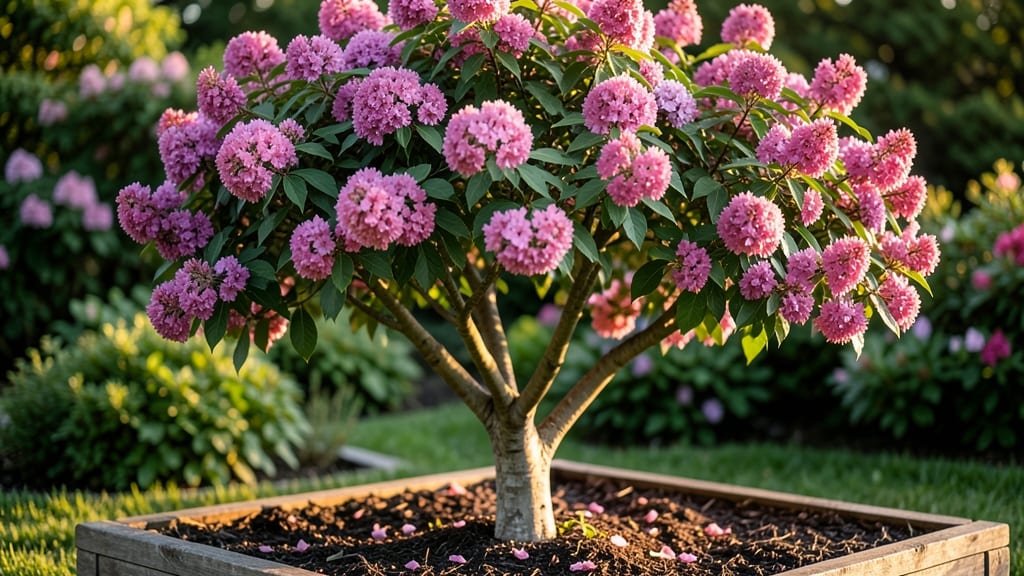
Pink flower clusters transform any yard into a dreamy springtime canvas. 🌸 The secret to lush, repeating blooms on trees like redbuds, cherry blossoms, or crape myrtles starts with the right pruning timing and technique—something I learned the hard way after my first redbud shed half its flowers before they even opened.
These trees don’t just bloom once; with proper care, they reward you with multiple flushes of color throughout the season.
Most gardeners prune too late or too aggressively, which stunts next year’s flowers. The best time is right after blooming (late spring for spring-bloomers, winter for summer-bloomers like crape myrtles), when you can see where last year’s branches set buds for next season.
A sharp pair of loppers and a 30-minute session is all you need—no fancy tools required. The goal is to open up the canopy so light and air circulate, which means cutting back dead wood and thinning crowded branches by one-third at most.
What you’ll end up with is a tree that looks like it belongs in a botanical garden, not just your backyard. Imagine vibrant pink clouds against fresh green foliage, with bees and butterflies swarming the blossoms—this isn’t just about aesthetics, it’s about creating a thriving ecosystem.
These trees also play well with others: pair redbuds with hostas for shade, cherry blossoms with peonies for cottage charm, or crape myrtles with ornamental grasses for modern contrast.
Whether you’re working with a small urban lot or a sprawling landscape, these pruning principles scale easily. The key is patience—these trees grow slowly but reward you with decades of stunning seasonal displays.
Start with one tree this year, and by next spring, your whole yard will be jealous of its blooms.
📚 In This Guide
- What you need
- Instructions
- Tips and common mistakes
- Wrapping up and next steps
What you need
- ● Pruning shears: Bypass pruners (sharp, clean, and sterilized with rubbing alcohol—1 pair).
- ● Loppers: For thicker branches (1–2 pairs, 6–8" cutting capacity).
- ● Pruning saw: For branches >1" in diameter (1, with a curved blade).
- ● Gloves: Heavy-duty, cut-resistant (1 pair—gardening or pruning-specific).
- ● Disposable pruning bags: 2–3 (for collecting debris and preventing disease spread).
- ● Rubbing alcohol (70%+) or bleach solution: To sterilize tools between cuts (small bottle).
- ○ Pruning sealant (optional): For large cuts (>½" diameter) to prevent disease (1 small tube).
- ● Timing: Prune after the tree’s main bloom (late spring/early summer for most pink-flowering trees like Cercis canadensis or Cornus species). Avoid pruning in fall/winter—it can trigger early budding and frost damage! ❄️🌡️
- ● Weather: Choose a dry, overcast day to reduce stress on the tree and prevent sap bleeding.
- ● Safety gear: Safety glasses (1 pair) and long sleeves/pants to protect from thorns or sap.
- ● Tree ID: Know your tree’s species! Some (like Bradford pear) bloom on old wood—prune after flowering to preserve next year’s blooms. 📖✨
Instructions for pruning trees with pink flower clusters
Here’s how to keep your flowering tree thriving with vibrant, repeat blooms year after year.
✂️ Step 1: Identify the Right Time to Prune
Timing matters most for pink-flowering trees like crape myrtle or lilac. Prune immediately after the first bloom cycle ends—typically in late spring or early summer. This ensures you remove spent flowers while leaving next year’s buds intact. If you prune too early, you risk cutting off next season’s blossoms.
Watch for the flowers to fade and drop naturally before making any cuts. For spring-blooming varieties, avoid pruning in fall or winter, as this removes next year’s flower buds entirely. If your tree blooms in late summer or fall, prune in early spring instead.
✂️ Step 2: Gather the Right Tools and Sanitize
Use sharp, clean pruning shears for cuts smaller than ½ inch and a pruning saw for thicker branches. Disinfect your tools with rubbing alcohol or a 10% bleach solution before and after pruning to prevent disease spread. Dirty tools can introduce bacteria or fungi that weaken the tree’s health.
Wear gloves to protect your hands from thorns or sap, especially if working with crape myrtle. A small bucket for trimmings and a ladder (if needed) complete your setup. Always check the weather—prune on a dry, calm day to avoid stressing the tree.
✂️ Step 3: Remove Dead, Diseased, or Crossing Branches First
Start by eliminating any dead, diseased, or damaged branches—they drain energy from the tree. Look for branches with no leaves, discolored bark, or signs of pests. Cut these back to the main trunk or a healthy lateral branch. Make clean cuts at a 45-degree angle just outside the branch collar.
Next, remove any branches that cross or rub against each other. These create wounds that invite disease and weaken the tree’s structure. Thin out crowded branches to improve airflow and sunlight penetration. Aim for an open, vase-like shape to encourage strong growth and abundant blooms.
✂️ Step 4: Shape the Tree for Optimal Bloom Display
Step back and visualize the tree’s natural form. For crape myrtle, avoid "topping" (cutting the main stem flat)—this stunts growth and reduces flowers. Instead, prune to maintain a balanced silhouette. Focus on opening the center to let light reach inner branches, which encourages more blooms.
Reduce overgrowth by cutting back long, leggy branches to a lateral bud or branch. Avoid excessive pruning—never remove more than ⅓ of the tree’s foliage in one season. For lilac, prune selectively to preserve the tree’s layered look while keeping it compact.
⏰ Step 5: Post-Pruning Care for Healthy Regrowth
Water the tree deeply after pruning to help it recover. Apply a balanced, slow-release fertilizer to support new growth, especially if you’ve made significant cuts. Mulch around the base with 2-3 inches of organic material to retain moisture and regulate soil temperature.
Monitor the tree for signs of stress, like wilting or yellowing leaves. If you notice any issues, adjust your watering or check for pests. Pruning stimulates fresh growth, so expect new shoots to emerge within a few weeks. Keep an eye out for next year’s flower buds forming along the branches.
Tips & tricks for pruning trees with vibrant pink blooms
Here's what nobody tells you about keeping your flowering trees looking their absolute best after pruning.
Timing is Everything: The late spring or early summer window in Step 1 is non-negotiable for spring-blooming varieties. I've seen gardeners accidentally prune lilacs in winter and completely remove next year's flower buds—don't make that mistake! For late-summer bloomers, early spring pruning gives them time to develop new growth before their bloom cycle. The key visual cue is waiting until flowers have naturally faded and dropped about 80% of their petals.
Tool Sanitization Secret: The 10% bleach solution in Step 2 works perfectly, but I've found rubbing alcohol is even more effective at killing pathogens. After sanitizing, let your tools dry completely before use—moist tools can actually spread bacteria if not properly dried. For crape myrtle work, I keep a small spray bottle of diluted bleach solution handy to quickly wipe down tools between cuts on different branches.
Branch Angle Matters: When making those 45-degree cuts in Step 3, visualize the branch collar—the swollen area where the branch meets the trunk. Cut just outside this collar, but never flush with it. I've seen too many pruners cut into the collar, which creates wounds that never properly heal. This simple detail makes all the difference in preventing disease entry points and encouraging proper regrowth.
Post-Pruning Recovery Hack: After Step 5, I recommend adding a layer of compost to your 2-3 inches of mulch. This provides immediate nutrients while the tree recovers. For trees that look stressed after pruning, I've had success with a foliar spray of seaweed extract—it helps reduce transplant shock and promotes faster regrowth. Monitor for new shoots appearing within 3-4 weeks as a sign your tree is recovering well.
Pro Tips for Tree With Pink Flower Clusters
- Here's what nobody tells you about keeping your flowering trees looking their absolute best after pruning.
- Timing is Everything: The late spring or early summer window in Step 1 is non-negotiable for spring-blooming varieties.
- Tool Sanitization Secret: The 10% bleach solution in Step 2 works perfectly, but I've found rubbing alcohol is even more effective at killing pathogens.
Frequently asked questions
Got questions about keeping your tree with pink flower clusters thriving? Here are some common ones—and their answers—to help you prune like a pro!
When is the best time to prune my tree for pink flower clusters?
Prune your tree after it finishes blooming in spring or early summer. This ensures you don’t cut off next year’s flower buds, which typically form in late summer or fall. For most flowering trees, late winter or early spring (just before new growth starts) is also ideal for shaping.
How much can I trim without harming the tree?
Never remove more than 25% of the tree’s canopy in a single pruning session. For young trees, light pruning (10-15%) is best. Focus on dead, diseased, or crossing branches first, then thin out excess growth to improve airflow and sunlight penetration.
Why aren’t my pink flower clusters coming back after pruning?
If blooms are sparse or missing, check these:
- Timing: Pruned at the wrong time (e.g., during bud formation)?
- Nutrients: Poor soil or over-fertilizing can stress the tree.
- Water: Drought or overwatering may stunt growth.
- Pests/Disease: Inspect for signs like yellowing leaves or holes.
What’s a good alternative if my tree isn’t blooming well?
If your current tree struggles, consider these low-maintenance, pink-flowering alternatives:
- Crabapple (Malus spp.): Hardy, disease-resistant, and prolific bloomer.
- Japanese Snowbell (Styrax japonicus): Fragrant pink-white flowers, shade-tolerant.
- Fringe Tree (Chionanthus virginicus): Unique fringe-like blooms, drought-tolerant.
- Dogwood (Cornus florida): Classic pink/white blooms, great for small yards.
How do I fix over-pruned branches that look ugly?
Don’t panic! Use these fixes:
- Thin out dense areas to open up the canopy.
- Shape gradually over 2-3 years to avoid shock.
- Fertilize lightly (balanced 10-10-10) to encourage new growth.
- Avoid topping—it creates weak, stubby regrowth.
Wrapping up and next steps
Discovering the beauty of a tree with pink flower clusters is just the beginning—proper pruning unlocks their full potential! Remember, timing, technique, and tools are your best friends for encouraging lush, repeating blooms year after year.
Whether you’re trimming for shape, health, or more vibrant flowers, confidence grows with practice. 🌸
Ready to transform your garden? Grab your pruners and start small—even a single branch makes a difference. Before you know it, your tree will be the star of the neighborhood with bursts of pink perfection! 🌿 Want a checklist? Download our free pruning guide now!