
How To
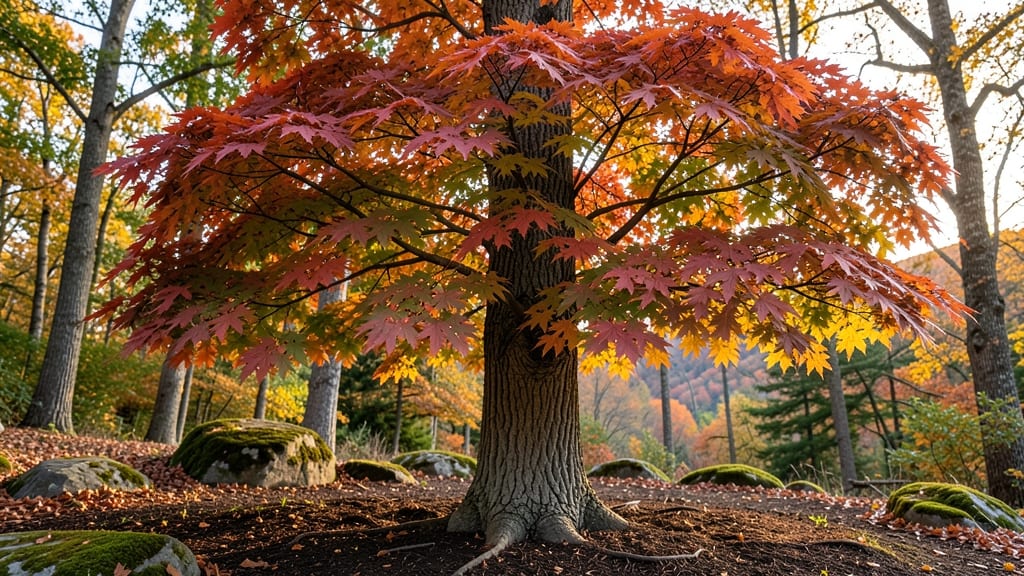
How tall can a maple tree grow? Some species stretch over 100 feet, while others stay compact enough for urban spaces.
Imagine a 🌳 reaching higher than a four-story building, its branches swaying with autumn’s fiery colors. Whether you’re planning a backyard oasis or a city landscape, knowing the mature height of your chosen species is the key to long-term success.
From the towering Silver Maple to the dainty Japanese Maple, each variety has its own growth story. Climate, soil quality, and even pruning habits play a role in how tall your tree will become—and how quickly.
In this guide, you’ll discover the height ranges for 10+ maple species, expert tips to encourage (or control) growth, and how to pick the perfect variety for your space.

Maple tree height by species: the tallest and shortest varieties compared
Maple trees are nature's skyscrapers, with some varieties stretching toward the sky like urban skyscrapers while others remain compact garden gems. The Sugar Maple, for example, can dominate landscapes with heights of 70-100 feet, while the delicate Japanese Maple stays under 25 feet.
These differences aren't just about aesthetics—they impact your landscape planning, property lines, and even utility line clearance. Understanding these variations helps you choose the perfect maple for your space, whether you want a shade canopy or a bonsai-like accent.
Growth rates also vary wildly. Fast-growing species like the Silver Maple can add 2-3 feet annually, while slower growers like the Norway Maple might only gain 1 foot per year.
Climate plays a crucial role too—Southern climates often produce taller trees, while northern regions may stunt growth due to shorter growing seasons. Let’s explore the tallest giants and dwarf varieties side by side so you can make an informed choice for your garden.