
Propagation
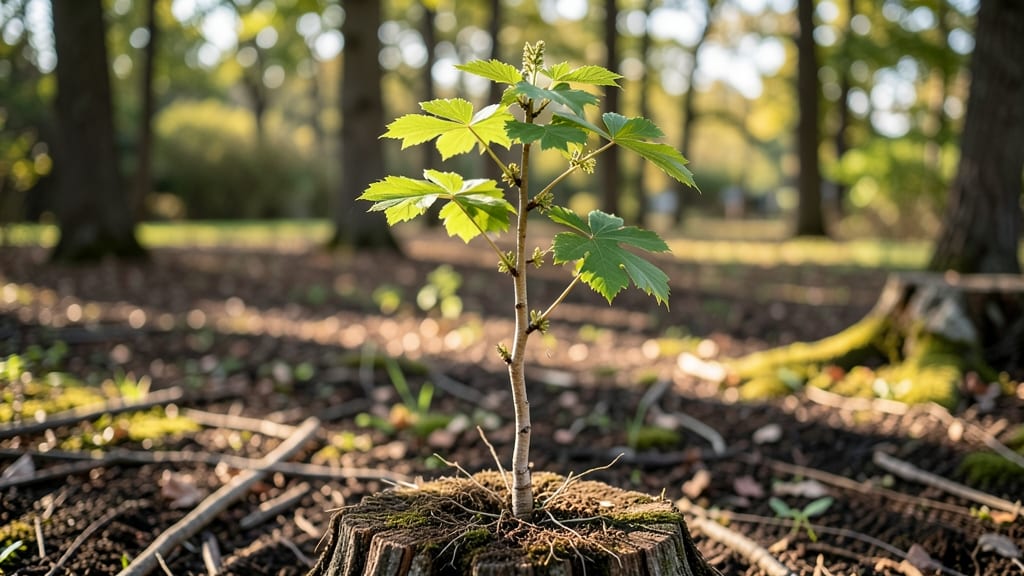
That stubborn little sprouting from the base isn’t a mistake—it’s survival mode. 🌱 Trees like fruit trees, willows, and even old stumps send up basal shoots when they sense stress, damage, or just extra energy to spare.
The good news? You don’t always need to prune them out immediately, especially in dormant season when stress is minimal.
These sprouts can be helpful—new growth means your tree is healthy and resilient. But if they’re crowding your lawn or competing with your main tree, they’ll need attention.
The key is timing: prune in late winter or early spring when the tree is still dormant, or let nature handle it if you’re okay with a few extra volunteers.
For stubborn cases, a clean cut with sharp shears or a pruning saw works best—just avoid tearing the bark. If you’re dealing with a stump, the sprouts might keep coming back, but consistent removal weakens their persistence over time. Think of it like weeding: persistence pays off.
Not all trees react the same—apple trees, cherries, and even some shade trees handle basal shoots differently. The trick is balancing control with patience. Your tree’s got this; you just need to guide it. Let’s break down the best approach for your specific situation.
Rooted Secrets Behind Stubborn Sprouts
When a tree suddenly bursts with life from its base—even in the dead of winter—it’s not just a sign of resilience, but a biological response to hidden triggers. Understanding why this happens can help gardeners and arborists predict, manage, or even encourage this phenomenon without causing stress to the tree.
Let’s dig into the science behind these unexpected shoots.
Many trees, especially deciduous species like willows, poplars, and fruit trees, store dormant buds at their base. These buds remain inactive during harsh seasons but can reactivate if conditions shift—even slightly. Cold winters can stratify (a natural chilling process) the buds, breaking their dormancy when temperatures rise.
If a mild spell follows a freeze, the tree may interpret this as a signal to grow.
Why it happens:
- Temperature fluctuations: A sudden warm snap after frost can trick buds into thinking spring has arrived. For example, Betula papyrifera (paper birch) often sprouts from its base after an unseasonably warm winter.
- Moisture retention: Snow or rain can soak the soil, providing the hydration dormant buds need to swell and break through the bark.
- Hormonal shifts: The tree’s root system may produce auxins (growth hormones) in response to increased soil activity, stimulating bud growth.
Actionable insight: If you’re seeing sprouts in winter, monitor weather patterns—consistent warmth (above 40°F/4°C) for 3–5 days is often the culprit. Pro tip: 🌡️ Use a soil thermometer to track ground temps; sprouts rarely emerge if soil stays below 35°F (2°C).
Sometimes, a tree’s roots send out a distress signal by producing shoots at the base. This isn’t always a bad thing—it’s the tree’s way of rejuvenating or reproducing if its primary structure is compromised. Root damage from construction, compacted soil, or even overwatering can trigger this response.
Why it happens:
- Compaction or girdling roots: If roots circle the trunk (girdling) or the soil is overly compacted (e.g., from foot traffic or heavy machinery), oxygen and water can’t reach the center. The tree may push out new shoots from the base to bypass the blockage.
- Root pruning or injury: Even minor root damage—like from digging or buried rocks—can stimulate the release of cytokinins, hormones that promote cell division and shoot growth.
- Fungal or pest activity: Root pathogens (e.g., Armillaria root rot) or larvae (like white grubs) can weaken roots, prompting the tree to grow new stems as a survival tactic.
Actionable insight: If sprouts appear after recent soil disturbance, check for root issues. Pro tip: ✨ Loosen soil around the base with a garden fork (6–12 inches deep) to improve aeration—this can reduce the need for compensatory growth. If girdling is suspected, gently peel back mulch to inspect roots.
Some tree species are naturally inclined to produce basal shoots through a process called suckering or layering. This is common in trees like apple, pear, and hackberry, which use this method to clone themselves or recover from damage.
Even if the main trunk is healthy, these species may routinely send up shoots from the base as part of their lifecycle.
Why it happens:
- Clonal reproduction: Trees like Malus domestica (apple) produce shoots from latent buds to create genetically identical offspring, ensuring survival even if the parent tree is damaged.
- Hormonal dominance shifts: In some species, the root system can outcompete the main trunk for resources, leading to the suppression of the primary leader and the growth of basal shoots.
- Juvenile vs. mature phases: Young trees often sprout freely from the base, while mature trees may only do so if stressed. This is why newly planted fruit trees sometimes develop a "bushy" base.
Actionable insight: If your tree is a known sucker (e.g., willow, aspen, or fruit trees), embrace it! These sprouts can be harvested for propagation or pruned to shape the tree. Pro tip: 🌿 For fruit trees, let 1–2 strong basal shoots grow to replace the main trunk if the original is damaged—this can extend the tree’s lifespan.
While trees need water, excess moisture can suffocate roots and trigger basal sprouting as a last-ditch effort to escape waterlogged conditions. Poor drainage, clay soil, or even overzealous irrigation can create the perfect storm for unwanted shoots.
Why it happens:
- Oxygen deprivation: Waterlogged soil lacks oxygen, forcing roots to seek better conditions. Basal shoots may emerge as a way to access higher, drier soil layers.
- Fungal growth: Excess moisture encourages Phytophthora and other pathogens, which weaken roots and prompt the tree to grow new stems.
- Nutrient leaching: Overwatering washes away essential nutrients, stressing the tree and triggering compensatory growth.
Actionable insight: If your tree’s base is soggy, improve drainage immediately. Pro tip: 🏗️ Amend the soil with compost or perlite to break up clay, and avoid watering within 12 inches of the trunk. For severe cases, install a French drain to redirect excess water.
A tree might sprout from its base if its canopy is too dense or if it’s competing with nearby vegetation for sunlight. When lower branches are shaded out, the tree may redirect energy to the base, where light conditions are better.
Why it happens:
- Self-pruning failure: Some trees (like oaks) naturally shed lower branches as they mature. If this doesn’t happen, the tree may grow new stems at the base to compensate for lost foliage.
- Adjacent plant competition: Overgrown shrubs or grass circling the tree’s base can block sunlight, prompting the tree to grow upward from the ground.
- Pollarding or topiary stress: Trees shaped into formal designs (e.g., Tilia lime trees) often sprout from the base as a response to repeated pruning.
Actionable insight: Thin the canopy or remove competing plants to restore light. Pro tip: 🌿 Use a mulch ring (2–3 inches of wood chips) around the base to prevent grass from encroaching, but keep it 6 inches away from the trunk to avoid moisture buildup.
Fixing Base Sprouts Naturally
A tree sprouting from its base can feel like an unwanted surprise, but with the right approach, you can manage it without stressing the plant. The solution depends on the cause—whether it’s a sign of vitality, damage, or improper care.
Below, we’ll map common triggers to practical fixes, plus prevention tips to keep your tree healthy long-term.
Why it happens: Some tree species (like willows, maples, or fruit trees) naturally produce basal shoots as a survival mechanism. If the roots are thriving, excess energy spills into new growth.
How to fix it:
- 🔪 Selective Pruning (Best for Established Trees): Use clean, sharp pruners to cut sprouts at the base, just above a leaf node or bud. Avoid tearing the bark—this can invite disease. For thick shoots, apply pruning sealant to prevent sap loss.
- Pro Tip: 💡 Timing matters! Prune in late winter or early spring (before new growth starts) to minimize stress.
- 🌿 Redirect Energy with Mulch: Spread 2–4 inches of organic mulch (wood chips, straw) around the base but not touching the trunk. This suppresses weeds (which compete for nutrients) and encourages root stability instead of shoot growth.
- 💧 Adjust Watering Habits: Overwatering can stimulate weak, leggy sprouts. Let the soil dry slightly between waterings, especially for drought-tolerant species like oaks or pines.
Why it happens: Storms, lawnmower injuries, or girdling roots (roots circling the trunk) force the tree to regrow from the base.
How to fix it:
- 🚑 First Aid for Wounded Trees:
- 🔪 Remove damaged bark or tissue with a sterile knife, shaping the wound into a slight concave (like a bowl) to prevent water pooling.
- 🧴 Apply wound dressing (like Tanglefoot Tree Wound Pruning Seal) only if the cut is large (over 1 inch wide). Small nicks? Let it heal naturally—sealants can trap moisture.
- 🌳 Root Zone Aeration: Compacted soil suffocates roots, leading to stress sprouts. Rent a manual aerator or hire a pro to core holes around the drip line (the tree’s canopy edge). Fill gaps with compost or sand to improve drainage.
- 🚫 Stop Lawn Equipment Abuse: Use a metal collar (like a tree guard) or flagging tape to mark the trunk’s edge. If the tree is in a high-traffic area, consider gravel or mulch instead of grass within 2 feet of the base.
Why it happens: Aggressive pruning (removing >25% of foliage at once) or topping (cutting back to a stub) triggers compensatory sprouts.
How to fix it:
- 👨🍳 Corrective Pruning Techniques:
- ✂️ Follow the "3-Cut Rule":
- Make an undercut 6–12 inches below the branch collar.
- Top-cut slightly beyond the undercut.
- Clean-cut just outside the branch collar (the swollen area where the branch meets the trunk).
- ⏰ Space it out: Never prune more than 25% of the canopy in one season. For large trees, spread cuts over 2–3 years.
- ✂️ Follow the "3-Cut Rule":
- 🌿 Encourage Natural Shape: Avoid "heading back" (cutting to a lateral branch). Instead, prune to the branch collar to maintain the tree’s structure and reduce stress sprouts.
Why it happens: Lack of sunlight or nearby plants (like grass or shrubs) competing for resources can trigger basal shoots as the tree seeks light.
How to fix it:
- ☀️ Improve Light Exposure: Thin nearby vegetation (but avoid removing too much at once). For young trees, gradually reduce shade over weeks to avoid shock.
- 🌿 Strategic Mulching: Use inorganic mulch (like rubber chips or gravel) in high-competition areas to block weeds while allowing airflow to roots.
- 🌳 Transplanting (Last Resort): If the tree is in a poorly draining or overly competitive spot, consider relocating it during dormant season (late fall/winter). Dig a wide hole (twice as wide as the root ball) and amend the soil with compost.
- 📊 Monitor Seasonal Care:
- Spring/Summer: Water deeply but infrequently; fertilize only if soil tests show deficiency.
- Fall/Winter: Reduce watering (unless in drought) and avoid pruning unless necessary.
- 🌡️ Avoid Soil Temperature Swings: Use mulch in winter to protect roots from freeze-thaw cycles, which can weaken the tree.
- 🎯 Choose the Right Species: Some trees (like honey locust or Bradford pear) sprout aggressively. Research your tree’s tendencies before planting.
Final Note: 🌟 Patience is key! Some sprouts may resurface, but consistent care will strengthen the tree’s natural defenses. If in doubt, consult a certified arborist—they can assess whether the sprouts are harmless or a sign of deeper issues.
Frequently asked questions
Are basal sprouts always a bad sign?
Not necessarily! For many trees like willows or fruit trees, basal sprouts are a natural survival strategy. They can indicate a healthy root system with extra energy. However, if they’re crowding your lawn or competing with your main tree, they may need pruning to redirect the tree’s energy upward.
What’s the best time of year to prune these sprouts?
Late winter or early spring is ideal—before new growth begins. This minimizes stress on the tree. Avoid pruning during hot summer months or in fall when the tree is preparing for dormancy. For stubborn cases, you can also prune in early summer, but be prepared for slower healing.
Can I use herbicide to stop basal sprouts?
Herbicides like glyphosate can work, but they’re not always the best solution. For small sprouts, hand-pruning is safer and more targeted. If you choose herbicide, apply it carefully to avoid damaging the main tree’s roots. For organic options, try smothering sprouts with thick mulch or using a vinegar-based spray (diluted to 10% vinegar with water).
Will removing basal sprouts harm my tree?
Not if done correctly! Proper pruning (cutting just above a bud or leaf node) won’t harm the tree—it may even improve its health by reducing competition. Just avoid over-pruning; never remove more than 25% of the tree’s foliage in one season. If you’re unsure, start with just a few sprouts and monitor the tree’s response.
Why do some trees keep sprouting even after I prune them?
Persistent sprouts often mean the tree is stressed or has strong root systems. Common causes include compacted soil, root damage, or overwatering. Check for girdling roots (roots circling the trunk) or improve drainage. For aggressive suckers (like willows), you may need to repeat pruning every few weeks until the tree’s energy stabilizes.