
Tools
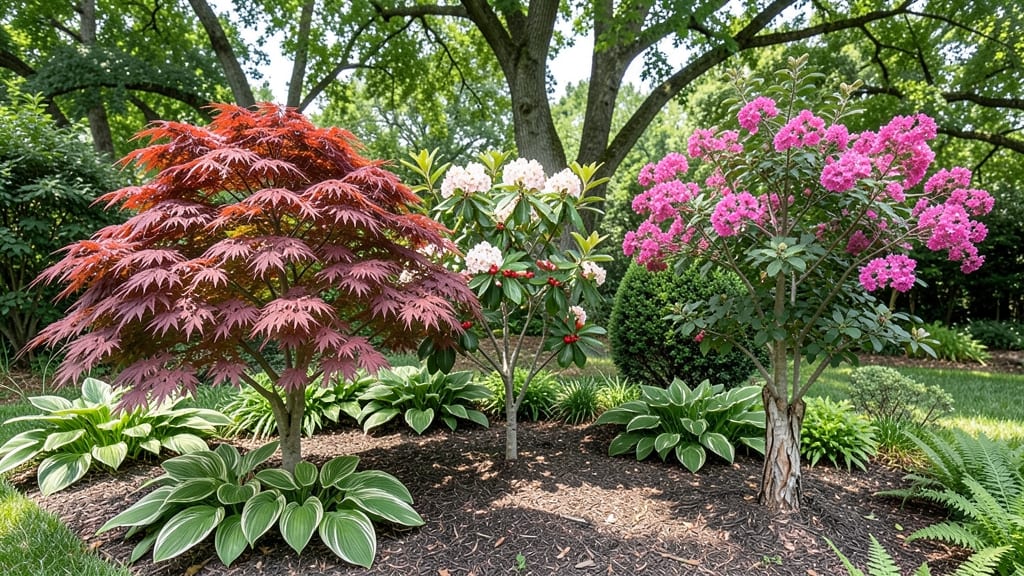
A tree garden bed transforms tight spaces into lush, layered beauty—my favorite way to grow trees when square footage is limited. 🌳 Last year, I turned a 4x6-foot patch into a thriving mini-orchard with dwarf fruit trees, shrubs, and perennials that now produce more than my old backyard plot.
The secret? Smart spacing, the right soil mix, and choosing plants that play well together vertically. You’ll need three key elements: a sturdy raised bed frame (or in-ground design), well-draining soil amended with compost, and a mix of trees, shrubs, and ground covers that share similar water needs.
Dwarf varieties like columnar apple trees or espaliered pears work perfectly, while companion plants like lavender or thyme add texture and repel pests. The result? A year-round focal point that saves space without sacrificing beauty. By summer, your bed will burst with blooms, fruit, and fragrant foliage—all within arm’s reach.
The layered approach also means easier maintenance: prune once a year, mulch to retain moisture, and watch your vertical garden thrive. Perfect for urban yards, patios, or even large containers. Works for any climate—just adjust tree species to your zone. Here’s how to design yours step by step!
📚 In This Guide
- What you need
- Instructions
- Tips and common mistakes
- Wrapping up and next steps
What you need
- ● Garden bed frame: Wooden planter box (12–18" deep, custom size based on tree type) or repurposed materials (e.g., pallets, cinder blocks).
- ● Soil: 1–2 bags (20–40 lbs each) of high-quality potting mix or well-draining garden soil (avoid clay-heavy soil).
- ● Drainage layer: 2–3 inches of gravel or perlite (for root health).
- ● Tree(s): Dwarf or container-friendly varieties (e.g., Japanese maple, olive tree, or citrus—check mature height!).
- ○ Optional: Mulch (2–3 inches) to retain moisture.
- ● Slow-release fertilizer (e.g., osmocote) for nutrient boost.
- ● Watering can or drip irrigation system.
- ● Decorative stones or landscape fabric (for aesthetics/weed control).
- ● Sunlight assessment: Ensure your chosen spot gets at least 4–6 hours of sunlight daily (adjust tree selection accordingly).
- ● Sturdy support: Secure the bed frame to a wall, fence, or freestanding post if needed (especially for heavy trees).
- ● Access to water: Place near a hose or water source for easy maintenance.
- ● Safety first: Avoid placing near power lines or overhanging roofs.
Step-by-step instructions for creating a tree garden bed
Here's how to design a vertical tree garden that maximizes space and beauty in even the smallest yard.
🪴 Step 1: Select and Prepare Your Tree Containers
Choose large, sturdy containers with drainage holes—at least 18-24 inches deep—to accommodate mature root systems. I like half-whiskey barrels or wide planters because they provide stability and room for growth. Place them on a raised platform (like a deck or patio) or use elevated stands to create visual interest while preventing soil erosion.
Drill extra drainage holes if needed, then line the bottom with landscape fabric to prevent soil from washing out. This step is critical—poor drainage kills roots quickly, especially in small containers where water has nowhere to escape. Fill each container with high-quality potting mix mixed with 20% perlite for aeration, leaving 2-3 inches from the top for watering.
☀️ Step 2: Choose the Right Trees for Vertical Growth
Select dwarf or columnar tree varieties like Japanese maple, columnar apple, or dwarf citrus—these stay compact but still produce fruit or foliage. Avoid fast-growing trees like willows or poplars; their roots will outgrow containers in 2-3 years. I plant one tree per container to prevent overcrowding and ensure each has enough nutrients.
Dig a hole in the center of the container twice as wide as the root ball but no deeper than the pot. Gently remove the tree from its nursery container, loosen the roots if they're circling, and place it in the hole. The top of the root ball should sit 1 inch below the container rim—this prevents water from pooling at the base and rotting roots.
💧 Step 3: Water and Mulch for Retention
Water the tree deeply until water runs out the drainage holes, then let it drain completely. This first watering settles the soil and removes air pockets around the roots. After 24 hours, add a 2-inch layer of mulch (like shredded bark) around the base, keeping it 3 inches away from the trunk to prevent rot. Mulch helps retain moisture and regulates soil temperature—critical in containers where soil dries out faster.
Place your containers in a spot with at least 6 hours of sunlight daily, adjusting for your tree type. A south or west-facing location works best for most varieties. If your trees need partial shade, position them under a pergola or awning to filter harsh afternoon sun without blocking all light.
🌿 Step 4: Maintain Soil and Roots Long-Term
Check the soil every 2-3 days in summer—containers dry out 3-5 times faster than ground soil. Water slowly until water drains from the bottom, then wait until the top inch feels dry before watering again. Overwatering is the #1 killer of container trees; yellowing leaves usually mean roots are drowning.
Fertilize every 4-6 weeks during growing season with a slow-release, balanced fertilizer (10-10-10). I mix it into the top 2 inches of soil to avoid burning roots. In fall, switch to a low-nitrogen, high-potassium formula to harden the tree for winter. Prune dead or crossing branches in late winter, and shape lightly in early spring to encourage fuller growth.
Tips & tricks for perfect vertical tree garden design
Here’s what I’ve learned after watching too many container trees fail—don’t make my mistakes!
Container Depth Matters: The 18-24 inch depth isn’t just a suggestion—it’s non-negotiable for mature root systems. I once used a shallow decorative pot for a Japanese maple and had to repot it after just one year. If you’re working with shallower containers, choose even more compact tree varieties like dwarf boxwood or miniature olive trees. The 20% perlite mix is key too—it prevents compaction, which is the silent killer of container trees.
Root Ball Placement: That 1 inch below the rim rule isn’t arbitrary—it prevents water pooling at the base where roots can’t breathe. I learned this the hard way when a citrus tree’s trunk started rotting. Here’s a trick: Use a small stake to mark the correct depth on your container before planting. Also, if your tree has circling roots, gently tease them apart with your fingers—this prevents girdling as the tree grows.
Sunlight Strategy: The 6 hours of sunlight is your baseline, but real talk—most container trees thrive with 8-10 hours if you want fruit or vibrant foliage. If your space only gets partial sun, choose shade-tolerant varieties like dwarf ferns or columnar beech. And that 24-hour mulch wait time? It’s not just about moisture—it lets the soil settle and prevents mulch from smothering the trunk.
Watering Wisdom: The every 2-3 days rule changes with seasons. In summer, I check soil moisture twice daily—stick your finger in 2 inches deep. If it’s dry, water; if it’s damp, wait. And that slow until drainage method? It’s the only way to avoid soggy soil. Pro tip: Use a moisture meter for peace of mind—it’s a game-changer for container gardening.
Pro Tips for Tree Garden Bed
- Here’s what I’ve learned after watching too many container trees fail—don’t make my mistakes!
- Container Depth Matters: The 18-24 inch depth isn’t just a suggestion—it’s non-negotiable for mature root systems.
- Root Ball Placement: That 1 inch below the rim rule isn’t arbitrary—it prevents water pooling at the base where roots can’t breathe.
Frequently asked questions
Got questions about creating a tree garden bed?
You’re not alone! Here are answers to the most common queries to help you design a functional and beautiful vertical space for your greenery.
What’s the best time of year to install a tree garden bed?
Plant your tree garden bed in early spring or fall when temperatures are mild. This gives roots time to establish before extreme heat or cold sets in. Avoid winter planting—frost can damage tender roots, and summer’s heat stresses young plants. Pro tip: If you’re in a warm climate, opt for late fall to skip summer drought stress!
How do I keep my tree garden bed from drying out too quickly?
Vertical beds dry out faster than ground-level ones. Use moisture-retentive soil mixes (like coconut coir or peat moss) and mulch the base with bark or straw. Water deeply 2-3 times per week in hot weather, and consider installing a drip irrigation system for consistent hydration. Pro tip: Group plants with similar water needs together!
Can I use a tree garden bed for edible plants, or is it just for ornamentals?
Tree garden beds are perfect for herbs, dwarf fruit trees, and compact veggies like strawberries or bush beans. Just ensure your structure supports the weight of mature plants and provides enough soil depth (at least 12–18 inches). Choose lightweight, nutrient-rich potting soil for best results. Pro tip: Trellises or cages can help support climbing plants like peas or cucumbers!
What are some budget-friendly alternatives to pre-made tree garden bed kits?
DIY options include:
- Pallet gardens: Repurpose wooden pallets with landscape fabric and soil.
- Hanging planters: Use old buckets, gutters, or fabric grow bags.
- Upcycled furniture: Old dressers, ladders, or crates can double as planters.
- Cinder blocks: Stack and line with plastic to create a grid for small plants.
Why are my tree garden bed plants wilting or turning yellow?
Yellowing leaves or wilting often signal overwatering, underwatering, or poor drainage. Check the soil—it should be moist but not soggy. Ensure your bed has drainage holes and isn’t sitting in standing water. Yellow edges on leaves may indicate nutrient deficiencies; fertilize lightly with a balanced, slow-release option. Pro tip: Prune affected leaves to encourage new growth and monitor watering habits!
How do I prevent pests from attacking my vertical garden?
Pests love vertical gardens! Use neem oil or insecticidal soap for soft-bodied bugs like aphids. Introduce beneficial insects (like ladybugs) or companion plants (e.g., marigolds). Ensure good airflow by spacing plants properly and avoid overwatering, which attracts fungus gnats. Pro tip: Copper tape around the bed’s edges deters slugs and snails!
Wrapping up and next steps
Creating a tree garden bed is a brilliant way to maximize your small yard’s potential while adding beauty and functionality.
Whether you’re a beginner or a seasoned gardener, this space-saving design lets you grow trees without sacrificing precious square footage—plus, it’s a project that brings instant joy and long-term rewards! 🌳✨
Now that you’re armed with the materials, tips, and answers to common questions, it’s time to roll up your sleeves. Start small—pick one tree or shrub, sketch your design, and watch your vertical garden transform your space into a lush, green oasis. Happy planting! 🌱💚