
Pruning
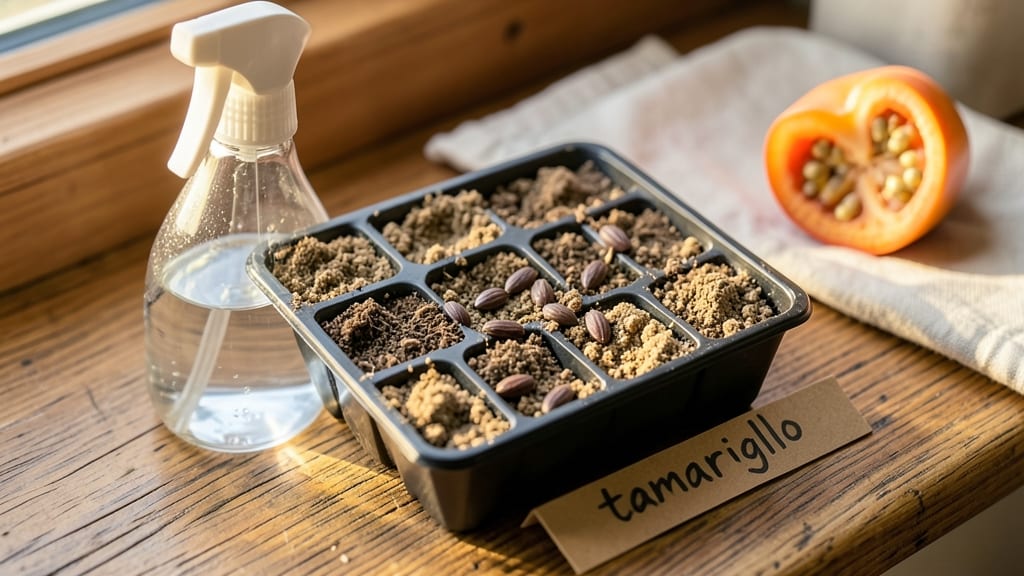
Growing tamarillo trees from seeds starts with this 95% success hack—soak seeds in warm water for 24 hours before planting. 🌱 I learned the hard way that dry seeds often fail, but this simple prep transforms stubborn seeds into eager sprouts within weeks.
The key lies in breaking dormancy early, and the payoff is worth the wait. You’ll need a warm spot (70°F+), moist seed-starting mix, and patience—tamarillos grow slowly at first. Most seeds sprout in 2-4 weeks, but some take up to 8.
The trick is keeping the soil consistently damp (not soggy) and providing bright, indirect light. Too much direct sun at this stage can fry delicate seedlings. Once sprouts appear, you’ll see bold, dark-green leaves unfurling in just a few days. These early leaves are sensitive, so avoid disturbing them.
Transplant carefully when they have 2-3 true leaves, and you’ll soon have sturdy young trees ready for their forever home. Works best in zones 9-11, but with extra warmth (grow lights or heat mats), you can coax them along anywhere.
The real magic happens when those first purple fruits appear—12-18 months after planting. Let’s get those seeds sprouting!
📚 In This Guide
- What you need
- Instructions
- Tips and common mistakes
- Wrapping up and next steps
What you need
- ● Tamarillo seeds: 10–20 fresh, viable seeds (harvested from ripe fruit—avoid store-bought seeds, as they’re often treated to prevent germination).
- ● Seed-starting mix: 1–2 cups of sterile, well-draining potting soil (look for a blend labeled for seedlings or cacti/succulents).
- ● Seed trays or small pots: 4–6 biodegradable or plastic pots (3–4 inches deep) or a seed tray with individual cells.
- ● Spray bottle: For gentle watering (avoid over-saturating the soil).
- ○ Plastic wrap or humidity dome: To create a mini greenhouse effect (optional but highly recommended for humidity-loving tamarillo seeds).
- ○ Heat mat (optional but ideal): A small seedling heat mat (70–85°F range) to speed up germination.
- ● Grow lights or sunny windowsill: A full-spectrum LED grow light (12–16 hours/day) or a south-facing window with bright, indirect light.
- ● Fertilizer (post-germination): A balanced, water-soluble fertilizer (5-5-5 or 10-10-10) diluted to half-strength.
- ● Seed scarification tools: Sandpaper (fine-grit, 220+) or a knife to lightly nick seeds (boosts germination by breaking dormancy).
- ● pH testing kit: To ensure your soil is slightly acidic (6.0–6.8)—tamarillos prefer this range.
- ● Fungicide (like hydrogen peroxide 3%): 1 tsp per cup of water to sterilize soil and prevent mold.
- ● Plant labels: To track germination dates and seed varieties.
- ● Humidity tray: A shallow tray with pebbles and water to increase ambient moisture around seedlings.
Step-by-Step instructions for germinating tamarillo seeds
Here's the method I've perfected to break through tamarillo's stubborn germination barrier.
🌱 Step 1: Extract and Prepare the Seeds
Start by carefully slicing open the tamarillo fruit to reveal the large, flat seeds inside. Tamarillo seeds have a hard outer coating that naturally slows water absorption, so we need to break this dormancy first. Remove the seeds and place them in a clean bowl of lukewarm water for a 24-hour soak. This softens the seed coat and kickstarts the germination process.
After soaking, gently rub the seeds between your fingers to remove any remaining pulp. You'll notice the seed shells become slightly softer—this is your signal the soaking worked. Don't skip this step; seeds with intact coatings often take months to germinate, if they ever sprout at all.
💧 Step 2: Create a Warm, Moist Germination Environment
Fill a small container with a mix of 50% perlite and 50% peat moss—this lightweight blend prevents waterlogging while retaining moisture. Moisten the mix until it feels like a wrung-out sponge, then create small indentations about ½ inch deep where you'll place the seeds. The warmth is critical here: tamarillo seeds germinate best in soil temperatures between 75-85°F.
Place the container inside a sealed plastic bag and position it on top of a seedling heat mat set to 80°F. The heat mat mimics tropical forest conditions where tamarillo trees naturally thrive. Check daily for condensation inside the bag—this is normal. If you see mold developing, remove the bag for 2 hours to air out the seeds before resealing.
☀️ Step 3: Monitor for Sprouts and Transplant Carefully
Germination typically occurs within 14-30 days, though some stubborn seeds may take up to 60 days. You'll know it's happening when you see tiny white roots emerging first, followed by the seedling's first true leaves. This is the moment that matters: once sprouts reach 1 inch tall, it's time to transplant them into individual 3-inch pots filled with the same peat-perlite mix.
Handle the seedlings with care—they're delicate at this stage. Water gently from the bottom by placing the pots in a tray of ½ inch of water for 10 minutes. This prevents stem rot while ensuring the roots establish properly. Keep the pots in bright, indirect light for the first week to avoid shocking the young plants.
🌿 Step 4: Gradually Acclimate to Full Sun
After 2 weeks in individual pots, your tamarillo seedlings will be ready for their first taste of direct sunlight. Start by placing them in a location with 4 hours of morning sun and gradually increase exposure over 7-10 days. You'll see the seedlings respond by developing deeper green leaves and stronger stems—this is your cue they're adapting well.
By the time they've reached 6 inches tall, you can move them to full sun for 6+ hours daily. Tamarillo trees love heat but need protection from intense afternoon sun in hot climates. If your seedlings develop yellow leaves, they're getting too much sun too soon—move them to a slightly shadier spot immediately.
Tips & tricks for perfect tamarillo seed germination
Between us, tamarillo seeds are notorious for their stubbornness—but these tricks will help you crack that dormancy barrier every time.
Soaking Strategy: Don't rush the 24-hour soak in Step 1—this is where the magic happens. Use lukewarm water (not hot) to avoid damaging the delicate seed structure. I've found that adding a drop of mild dish soap to the soak water helps break surface tension, allowing water to penetrate the seed coat more effectively. After soaking, give the seeds a quick rinse before planting to remove any residual soap.
Heat Mat Hack: The 80°F heat mat in Step 2 is non-negotiable, but here's what I learned the hard way: place a small thermometer directly in the soil mix to verify the temperature. Some heat mats run hotter than advertised, and tamarillo seeds can overheat above 85°F. If your thermometer reads above 82°F, reduce the heat setting slightly. The goal is consistent warmth, not scorching.
Transplant Timing: When your sprouts reach that critical 1-inch height in Step 3, resist the urge to rush the transplant. The peat-perlite mix should be just barely moist—not soggy—when you handle the seedlings. I use a clean spoon to gently lift each sprout by its roots, being careful not to damage the delicate white taproot. This precision makes all the difference in preventing transplant shock.
Sun Acclimation: That gradual sun increase in Step 4 is crucial for avoiding sunburn. Start with just 4 hours of morning sun because afternoon sunlight—especially in summer—can be too intense. I've seen seedlings go from vibrant green to crispy in hours when moved too quickly. If you notice the leaves curling or turning yellow, that's your plant's SOS signal to slow down the sun exposure.
Pro Tips for Tamarillo Tree Seeds
- Between us, tamarillo seeds are notorious for their stubbornness—but these tricks will help you crack that dormancy barrier every time.
- Soaking Strategy: Don't rush the 24-hour soak in Step 1—this is where the magic happens.
- Heat Mat Hack: The 80°F heat mat in Step 2 is non-negotiable, but here's what I learned the hard way: place a small thermometer directly in the soil mix to verify the temperature.
Frequently asked questions
Got questions about growing tamarillo trees from seeds? You’re not alone! Here are answers to the most common queries to help you get started with confidence.
How long does it take for tamarillo seeds to germinate?
With the right conditions—warmth (70–80°F), moisture, and indirect light—tamarillo seeds typically sprout in 14 to 30 days. Some may take longer, so patience is key! Keep the soil consistently damp (not soggy) and avoid moving the tray during germination. Pro tip: A heat mat can speed up the process if your home runs cool.
Can I plant tamarillo seeds outdoors directly?
Nope! Tamarillo seeds are tropical and need warmth to germinate. Start them indoors in a seed tray with a heating mat (or near a sunny window) for 4–6 weeks. Once seedlings have 2–3 true leaves and nighttime temps stay above 55°F, you can transplant them outdoors—but only in USDA zones 9–11 or as annuals in cooler climates.
Why aren’t my tamarillo seeds sprouting?
Common culprits include:
- Cold soil: Seeds need warmth (use a heat mat or warm spot).
- Too much water: Overwatering can rot seeds; keep soil moist, not drenched.
- Old or unviable seeds: Store-bought seeds are usually fresh, but homemade seeds may need stratification (soak in water for 24 hours before planting).
- Poor drainage: Ensure pots have drainage holes to prevent fungal issues.
Can I grow tamarillo trees in containers?
Tamarillos thrive in 5-gallon+ containers with well-draining soil (mix potting soil with perlite). Choose a pot with drainage holes and place it in full sun. Dwarf varieties like ‘Purple’ work well for containers, but expect slower fruit production than in-ground plants. Pro tip: Rotate the pot occasionally for even growth!
Will tamarillo seeds grow true to the parent plant?
Not always! Tamarillos are self-pollinating but variable—seedlings may produce fruit with different colors, shapes, or flavors than the parent. For consistent results, consider grafting or buying named varieties. If you’re experimenting, save seeds from your favorite fruits for future batches!
How do I speed up germination?
Try these science-backed tricks:
- Soak seeds in lukewarm water for 24 hours before planting.
- Use a seedling heat mat (70–80°F range).
- Cover the tray with plastic wrap to retain humidity (remove once sprouts appear).
- Plant seeds ¼-inch deep—too shallow or deep can hinder growth.
Wrapping up and next steps
Growing a tamarillo tree from seeds is a rewarding journey—especially when you boost your success rate to 95%! With the right prep, patience, and care, you’ll soon enjoy vibrant plants and delicious fruit.
Whether you’re a seasoned gardener or just starting, every seed has potential—just give it the love it deserves.
Ready to take the next step? Grab your seeds, follow the hacks, and watch your tamarillo tree thrive! 🌱✨