
Container Gardens
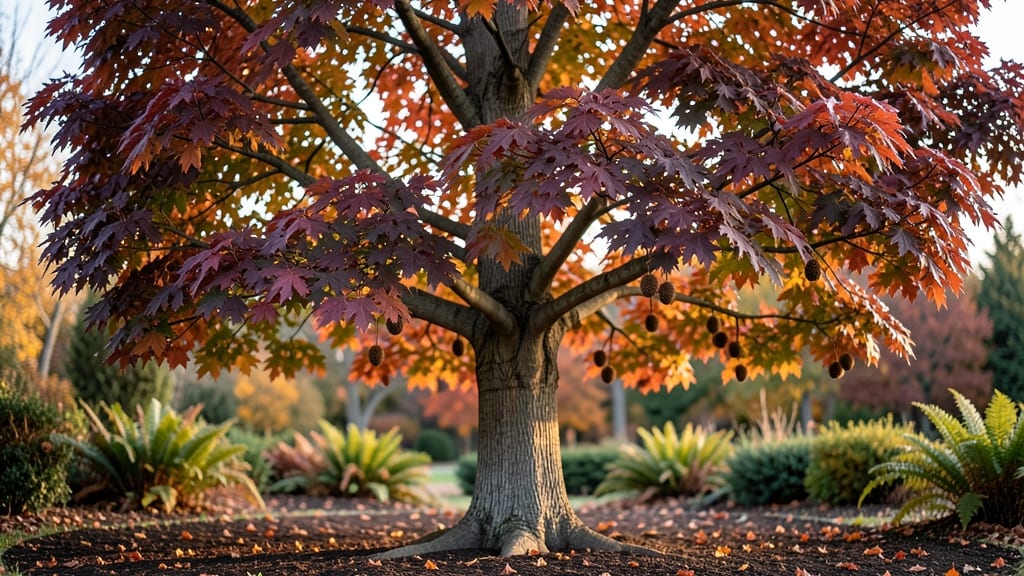
Sweet gum trees grow best in USDA zones 7 through 10, where they handle hot, humid summers and mild winters, though young trees may need extra winter protection in colder microclimates. Mature specimens can survive down to 0°F (-18°C), but their roots and bark are more vulnerable when young.
These trees love the warmth and moisture of the southern U.S., from Florida to Texas, but they also adapt well to coastal areas where temperatures stay moderate. 🌳 The key to their success lies in their ability to handle both heat stress and occasional frost—though their leaves will scorch if temperatures dip too low for too long.
If you're planting in zone 6 or colder, focus on protecting the roots with thick mulch and wrapping the trunk in burlap during winter.
What really sets sweet gums apart is their resilience in tough conditions. Unlike many shade trees, they tolerate wet soils and even brief periods of flooding, making them great for low-lying areas or urban landscapes where drainage is poor.
Their star-shaped leaves also help them shed rain efficiently, reducing disease risk in humid climates.
💡 In This Article
- Sweet Gum Tree Cold-Hardiness and USDA Zone Breakdown
- Planting Sweet Gum Trees Outside Optimal Zones: Tips and Tricks
Sweet gum tree cold-hardiness and USDA zone breakdown
The sweet gum tree's cold-hardiness is rooted in its native range across the southeastern U.S., where it evolved to handle hot summers (90-100°F) and occasional freezing temperatures. The USDA zones 7-10 align perfectly with these conditions, as zone 7 averages 0-10°F winters, while zones 8-10 see minimal frost.
The tree's ability to survive down to 0°F (-18°C) comes from its thick, corky bark and deep root system that insulates against cold snaps.
Young saplings are far more vulnerable because their bark isn't yet thick enough to protect against rapid temperature drops. In zone 6 (-10°F to 0°F), mature trees can often survive, but their leaves may suffer frost damage.
The real danger comes from prolonged exposure to 20°F (-7°C) or below, which can cause bark splitting and root damage. Coastal areas in zones 7-10 benefit from moderating ocean breezes that prevent extreme lows.
Humidity plays a surprising role in cold tolerance. Sweet gums thrive in the 70-80% humidity common in their native range, but this moisture also makes them more susceptible to winter desiccation in drier climates.
Their large, star-shaped leaves create a broad canopy that traps heat during the day but can lead to frost pockets at night. Proper spacing (30-50 feet apart) helps improve air circulation and reduces frost risk.
Soil drainage is critical—sweet gums hate soggy roots, which can lead to rot and weaken their cold resistance. In zones 7-10, their native clay-heavy soils provide good drainage, but amended soil with 20-30% organic matter helps in urban or container settings.
The tree's deep taproot (up to 6 feet deep) also helps anchor it against wind stress during storms, a common winter hazard in exposed locations.
What most gardeners overlook is how late spring frosts (after buds form) can be more damaging than winter cold. Sweet gums typically bloom in early spring, making them vulnerable to 28°F (-2°C) frosts that can kill new growth.
In zone 7, planting on south-facing slopes delays bud break by 1-2 weeks, giving nature a head start on frost season.
For those pushing the limits in zone 6, consider these zone-specific strategies: Use 3-4 inches of mulch in early winter to insulate roots, wrap trunks in burlap or tree guards to prevent sunscald, and water deeply before the first freeze to reduce moisture stress.
In containers, move potted sweet gums to sheltered areas or use heat mats during extreme cold snaps.