
Pruning
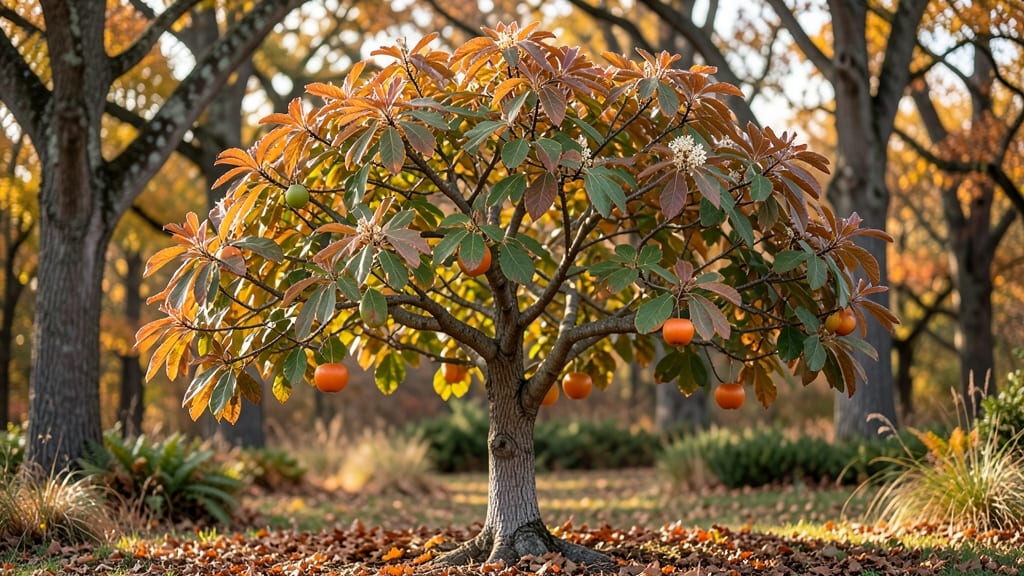
Persimmon trees grow exceptionally well in North Carolina's climate, where native American persimmons (Diospyros virginiana) and Asian varieties like Fuyu and Hachiya flourish in zones 6-8. For best results, plant in full sun with well-draining soil and anticipate sweet harvests in fall after 3-5 years.
North Carolina's warm summers and mild winters create ideal conditions for persimmon cultivation, making it one of the best states for growing these fruit trees. 🌳 The native American persimmon is particularly well-suited to the region's conditions, offering excellent disease resistance and minimal care requirements.
Asian varieties, while requiring slightly more attention, deliver sweeter fruit and faster production times, which appeals to many home gardeners.
When selecting varieties, consider your specific needs—native persimmons are perfect for those seeking low-maintenance options, while Asian cultivars like Fuyu provide earlier harvests and more consistent yields.
Both types thrive in North Carolina's climate when planted in well-drained soil and given plenty of sunlight, which helps prevent common issues like root rot that can occur in heavier soils.
💡 In This Article
- Best Persimmon Varieties for North Carolina Gardens
- Planting and Care Tips for NC Persimmon Trees
Best persimmon varieties for North Carolina gardens
North Carolina's climate creates a perfect balance for two distinct persimmon types: the hardy native American persimmon (Diospyros virginiana) and sweeter Asian varieties like Fuyu and Hachiya.
The native species thrives in NC's heat and humidity with remarkable resilience—its thick bark protects against storms, and its deep root system handles the state's often clay-heavy soils. These trees produce astringent fruit when unripe that becomes sweet and jelly-like when fully ripe, perfect for jams or dried snacks.
Asian persimmons offer faster rewards—Fuyu varieties mature in just 140-160 days and can be eaten firm like an apple, while Hachiya requires softening to 20-22°Brix sugar content before eating. For urban gardeners, consider 'Meader' (a dwarf hybrid) that reaches only 8-10 feet tall while producing abundant fruit.
The 'Eureka' variety stands out for its disease resistance to anthracnose, a fungal disease common in NC's humid summers.
When choosing varieties, consider your space and goals: native persimmons suit large properties with their 30-50 foot mature height, while Asian varieties fit smaller yards. All persimmon trees benefit from cross-pollination, so plant at least two compatible varieties 30-50 feet apart for optimal fruit set.
The aromatic blossoms in spring also attract pollinators, creating a mini ecosystem in your garden.
For those with acidic soils (common in NC's Piedmont region), Asian varieties may need lime amendments to prevent chlorosis. Native persimmons handle acidic conditions naturally but may produce smaller fruit.
The key difference lies in fruit chemistry: Asian persimmons contain higher soluble solids (22-28°Brix) than natives (16-20°Brix), explaining their sweeter taste.
Consider these top NC-adapted varieties:
- Native American: 'Meader' (dwarf, disease-resistant) - ideal for small spaces
- Asian: 'Fuyu' (non-astringent, early harvest) - perfect for fresh eating
- Hybrid: 'Eureka' (disease-resistant, high yield) - best for urban gardens
- Specialty: 'Hachiya' (gelatinous texture when ripe) - excellent for baking
Each variety responds differently to NC's microclimates—coastal areas may need more winter protection, while inland regions benefit from summer shade cloth during extreme heat waves. The right choice depends on your specific zone within NC's 6-8 range and intended use of the fruit.