
How To
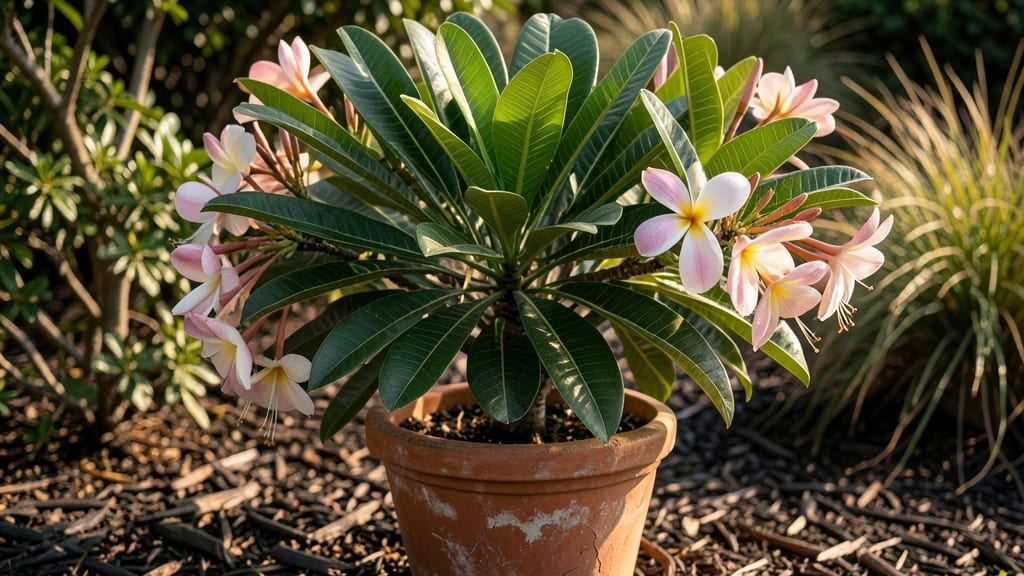
A plumeria tree can grow how tall does a plumeria tree grow anywhere from 3 feet to towering 25 feet, depending on its variety, care, and climate—so your choice of cultivar is the first step in planning its future height.
Dreaming of a fragrant tropical escape in your backyard? Plumeria trees—with their intoxicating blooms and lush foliage—can grow into stunning centerpieces, but their mature height varies wildly. Before planting, knowing exactly how tall your plumeria could become helps you plan for space, pruning needs, and even container gardening success.
Dwarf varieties like Plumeria pudica stay compact at 3–6 feet, perfect for patios or small gardens, while standard types like Plumeria rubra can reach 15–25 feet in ideal conditions.
Climate also plays a role: tropical zones (10–12) encourage full growth, while cooler areas may stunt their height unless you prune strategically.
In this guide, I’ll break down height expectations by variety, how to control growth through pruning, and the care routines that keep your plumeria at your ideal size—whether you want a small accent plant or a towering tropical statement.

Plumeria tree height by variety: small to towering mature sizes
Choosing a plumeria variety is like picking a tropical dream—some stay compact like patio companions, while others become towering statement pieces.
The mature height of a plumeria tree depends entirely on its variety, with some reaching 20+ feet in ideal conditions, while others remain under 6 feet even after years of growth.
Understanding these differences helps you select the perfect plumeria for your space, whether it's a small balcony or a sprawling backyard.
Most plumeria trees grow between 10–20 feet at maturity, but their growth habits vary dramatically. Single-trunk varieties like Plumeria rubra often grow straight and tall, while multi-branched types like Plumeria obtusa spread wider with multiple stems.
Even within the same species, dwarf cultivars can stay under 6 feet, making them ideal for containers or small gardens.
If you're working with limited space, dwarf plumeria varieties like Plumeria pudica 'Mini' or Plumeria obtusa 'Red Butterfly' are perfect choices. These stay under 6 feet and thrive in containers, making them ideal for patios, balconies, or even indoor growing with sufficient light. Their compact size also means they require
Climate zones and growth factors: how location affects Plumeria height
Your plumeria tree's mature height isn't just about genetics—your climate zone plays a starring role. Native to tropical regions, plumerias thrive in USDA zones 9–11, where warm winters and high humidity fuel rapid vertical growth. But move outside those zones, and you'll see dramatic differences in height potential.
In zone 10, a standard plumeria might reach 15–25 feet, while in zone 9, the same variety could max out at 10–12 feet due to cooler winters.
Humidity levels also rewrite the growth script. Plumerias in high-humidity areas (like Florida or Hawaii) grow 20–30% taller than those in arid climates (like Arizona or California). The extra moisture reduces transpiration stress, letting the tree focus energy on upward growth instead of survival.
Even container-grown plumerias in humid zones can hit 8–10 feet, while identical pots in dry climates rarely exceed 5–6 feet.
Seasonal temperature swings are another height villain. Plumerias in zone 9 often enter a dormant-like state during winter, halting growth for 3–4 months. This "growth vacation" can reduce final height by 30–40% compared to tropical zone 11 counterparts.
Even in zone 10, sudden cold snaps (below 40°F) can stunt growth by 10–15% for that season. If you're growing plumerias in containers, the effect is even more dramatic—pots cool faster, mimicking zone 9 conditions even in zone 11 climates.
Drought stress is the silent height saboteur. Plumerias in arid climates (like Southern California) may appear healthy but grow 10–15% shorter than their humid-zone cousins.
The tree diverts energy to root development and survival, not vertical expansion. Container-grown plumerias suffer doubly: pots dry out faster, and roots can't seek moisture deep in the soil. This combination often results in trees that stay 50% shorter than their ground-planted peers, even with identical care.
For gardeners in zone 9 or cooler, the solution is simple: choose dwarf varieties (like Plumeria pudica) or grow in large containers that you can overwinter indoors.
In humid zones 10–11, you can push standard varieties to their full height potential with consistent watering and balanced fertilization. And remember—even in ideal climates, pruning can shape height. A well-pruned plumeria in zone 11 might stay at 8–10 feet instead of towering over your patio.
Your location doesn't dictate failure—it just sets the rules. With the right variety and care, you can coax a plumeria to thrive, whether you're in dry zone 9 or tropical zone 11.
The key is understanding how each climate factor rewrites the growth manual and adjusting your expectations (and pruning plan) accordingly. 🌺