
Pruning
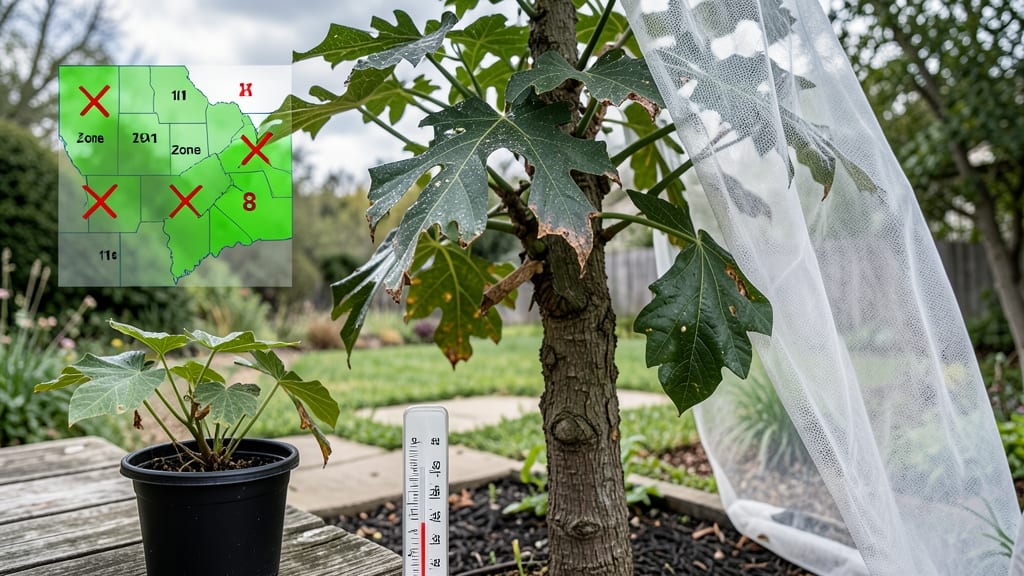
The papaya tree’s cold tolerance is shockingly low—it freezes at 40°F—and that’s where most gardeners give up. 🌱 I’ve nursed papayas through winters in Zone 7 by treating them like tropical divas with a cozy blanket and a greenhouse hug, and here’s exactly how to do it without killing your plant.
The first step is gradual acclimation—hardening your tree over 2-3 weeks before the first frost, just like you’d prep a tomato plant. Move it to a shaded spot, reduce watering, and let it toughen up.
Then, wrap the pot in bubble wrap or frost cloth and bury it up to the top in straw mulch—this buys you 10-15°F of extra protection when temps dip.
By spring, you’ll see new growth within 3-4 weeks of unwrapping, proving your tree survived. The key is microclimates: group plants near a south-facing wall, use clear plastic domes for extra warmth, and never let the soil freeze—root rot from thawing is worse than cold damage.
Even in Zone 6, this method works if you’re willing to baby your tree.
For colder zones, consider dwarf varieties like ‘SunUp’—they’re slightly hardier and recover faster. But let’s be real: papayas thrive where it’s warm year-round.
If you’re in Zone 5 or below, treat your tree as an indoor luxury plant and enjoy it as a houseplant with grow lights during winter. The trade-off? Smaller fruit, but alive is better than dead—and that’s a harvest you can’t buy.
📚 In This Guide
- What you need
- Instructions
- Tips and common mistakes
- Wrapping up and next steps
What you need
- ● Pruning shears – Bypass-style, sharp, and sterilized (1 pair). Avoid dull tools—they crush stems instead of cleanly cutting.
- ● Gloves – Heavy-duty, cut-resistant (1 pair) to protect from thorns and sap.
- ● Disinfectant – 70% isopropyl alcohol or horticultural spray (small bottle) to sterilize tools between cuts.
- ● Rubbing alcohol or hydrogen peroxide – 3% solution (small bottle) for wound sealing on cuts.
- ○ Pruning sealant – Optional but helpful (e.g., tree wound dressing) to prevent disease entry.
- ● Measuring tape – Flexible, 6–10 ft (1) for assessing branch sizes.
- ● Ladder or step stool – Sturdy, 6+ ft tall (1) if branches exceed arm’s reach.
- ● Trash bags or bucket – For collecting pruned debris (1–2). Avoid composting diseased wood.
- ● Thermometer – Digital soil/air thermometer to track temps during pruning (helps time cold snaps).
- ● Frost cloth or row cover – Lightweight, breathable (1–2 sheets) for post-pruning protection if temps dip below 40°F (4°C).
- ● Mulch – Straw or wood chips (2–3 inches deep) to insulate roots (apply after pruning).
- ○ Growth regulator – Paclobutrazol (optional) to slow growth if your zone is marginal (follow label rates).
How to prune papaya trees for cold-resilient winter survival
Cold snaps can devastate tropical papaya trees—but with strategic pruning, you can harden them for Zone 10-11 survival and even push their limits in marginal zones.
✂️ Step 1: Assess and Select Branches for Removal
Start by examining the tree for weak, damaged, or crossing branches—these are the first to go. Focus on limbs that are thinner than a pencil or show signs of dieback from previous cold exposure. I always prioritize removing any branches growing toward the center of the tree, as they create dense, poorly ventilated zones where cold air lingers.
Use sharp, clean pruning shears to make 45-degree cuts just above a leaf node or outward-facing bud. This encourages outward growth rather than inward, which helps the tree maintain an open structure that sheds cold air more efficiently. Avoid cutting flush with the trunk—leave a small bump to prevent water from pooling and rotting the wound.
🌱 Step 2: Thin the Canopy for Better Air Circulation
Papaya trees thrive with good airflow, which is critical for winter survival. Aim to reduce the canopy by 20-30% by removing the smallest, most interior branches first. This isn’t about drastic reduction—think of it as sculpting the tree to create an open, umbrella-like shape that allows cold air to move through rather than settle.
Watch for branches that are rubbing against each other—these create abrasions that become entry points for disease when winter dampness sets in. If you’re working in Zone 10 or cooler, focus extra attention on the lower third of the tree, as this area is most vulnerable to frost pockets. Use a ladder if needed, but never overreach—unstable positioning leads to uneven cuts and stress on the tree.
☀️ Step 3: Prune for Sun Exposure and Light Penetration
Cold damage often occurs where light doesn’t penetrate, leaving branches in perpetual shade and weakening their resilience. Step back and visualize the tree’s structure—your goal is to ensure at least 50% of the canopy receives direct sunlight for most of the day. This means removing any branches that cast heavy shade on others, especially those growing on the north or east sides.
Pay special attention to the top third of the tree, where branches often grow too densely. Thin these areas aggressively to allow light to reach the lower branches, which are more susceptible to cold stress. If your tree has fruit still on it, leave those branches intact—removing them now would sacrifice potential harvests for minimal cold protection.
⏰ Step 4: Time Your Pruning for Optimal Healing
The best time to prune papaya trees for cold resilience is late winter to early spring, just as new growth begins but before the last expected frost date. This timing allows the tree to seal wounds before summer heat stress and ensures it has time to harden off before winter sets in again. Avoid pruning in fall or early winter, as new growth stimulated by pruning will be tender and vulnerable to cold snaps.
After pruning, apply a thin layer of organic mulch (like shredded bark) around the base of the tree to insulate roots. Water deeply but not excessively—the goal is to keep the soil moist but not soggy, which can promote root rot. Over the next 4-6 weeks, monitor the tree for signs of stress like yellowing leaves or stunted growth, which may indicate the need for additional adjustments.
🪴 Step 5: Post-Pruning Care for Cold Hardening
To further prepare your papaya tree for cold, focus on root and soil health in the months leading up to winter. Apply a balanced, slow-release fertilizer in early spring to encourage strong, resilient growth. Avoid high-nitrogen fertilizers late in the season, as they promote tender, cold-sensitive foliage.
Consider wrapping the trunk and major branches with burlap or tree guards once temperatures drop below 40°F. This adds an extra layer of insulation against sudden temperature drops. If you’re in Zone 9 or cooler, plan to move container-grown papaya trees to a protected location, like a greenhouse or under a frost cloth, during the coldest months. Even a few degrees of protection can mean the difference between survival and loss.
Tips & tricks for Zone-resilient papaya tree pruning
These practical insights will help you maximize your papaya tree's cold tolerance without sacrificing its health or productivity.
Pruning Technique: When making those 45-degree cuts in Step 1, use a sharp pair of pruning shears and make the cut just above a leaf node or outward-facing bud. This isn't just about removing branches—it's about directing future growth. I've seen trees develop uneven growth patterns when cuts are made at random angles. The clean cut also prevents jagged edges that can invite disease, especially important when winter dampness arrives.
Canopy Assessment: Step 2's 20-30% canopy reduction target is your guide, but don't just count branches—visualize airflow. Imagine standing in the center of your tree's canopy. If you can't easily move your arms in all directions without hitting branches, you need to thin more aggressively. In marginal zones (like Zone 10), I've found that removing an additional 5-10% from the lower third makes a noticeable difference in frost protection.
Sunlight Strategy: For Step 3's light penetration goal of at least 50% direct sunlight, focus on the top third where branches often grow too densely. I recommend removing every other branch in these areas rather than just the smallest ones. This creates vertical "light shafts" that reach all the way to the lower branches. The trade-off is minimal—you're not removing much foliage, but you're dramatically improving light exposure where it matters most for cold resilience.
Cold Protection: The 40°F threshold for wrapping trunk and major branches is your first line of defense against sudden temperature drops. I've had success using burlap wraps that extend about 2 feet above and below the expected frost line. For container-grown trees in Zone 9 or cooler, consider adding a second layer of frost cloth around the entire plant once temperatures approach 35°F—this extra insulation can make the difference between survival and damage during unexpected cold snaps.
Pro Tips for Papaya Tree Cold Tolerance
- These practical insights will help you maximize your papaya tree's cold tolerance without sacrificing its health or productivity.
- Pruning Technique: When making those 45-degree cuts in Step 1, use a sharp pair of pruning shears and make the cut just above a leaf node or outward-facing bud.
- Canopy Assessment: Step 2's 20-30% canopy reduction target is your guide, but don't just count branches—visualize airflow.
Frequently asked questions
about papaya tree cold tolerance—because winter survival shouldn’t be a guessing game! Here’s what you need to know before the chill sets in.How cold can a papaya tree actually handle?
A papaya tree thrives in USDA Zones 10–11 and typically struggles below 32°F (0°C). Prolonged exposure to freezing temps (<28°F/-2°C) can kill the plant, but strategic pruning and protection (like row covers or indoor pots) can extend its resilience in marginal zones.
When should I prune my papaya for cold weather?
Prune late summer to early fall (4–6 weeks before frost) to harden the tree. Remove weak branches, leaving 6–8 strong stems for energy redirection. Avoid heavy pruning in winter—it stresses the plant further. Pro tip: Use sterilized tools to prevent disease!
Can I grow papaya indoors during winter?
Move potted papayas indoors (near a sunny window or grow lights) when temps drop below 50°F (10°C). Ensure 6+ hours of light daily and maintain humidity with a pebble tray. Dormancy may occur, but the tree can rebound in spring with proper care.
What’s the best alternative if my papaya can’t survive winter?
Consider cold-hardy tropicals like citrus varieties (e.g., Meyer lemon), avocado (Mexican varieties), or passionfruit for similar vibes. For papaya lovers, start new plants from seed indoors each spring—it’s a fun project!
My papaya leaves turned brown after frost—is it dead?
Not necessarily! If the stem is still green and flexible, the tree may recover. Trim dead leaves/branches, water sparingly, and protect it from further cold. If the stem is mushy or black, it’s likely dead—repot or replant. Pro tip: Mulch the base to insulate roots!
Still stumped? Drop your cold-weather papaya woes in the comments—we’ve got solutions!
Wrapping up and next steps
Understanding your papaya tree’s cold tolerance limits and mastering zone-resilient pruning is your best defense against winter’s chill. 🌱 While papayas thrive in warmth, strategic adjustments—like choosing cold-hardy varieties, protecting foliage, and pruning wisely—can help them survive unexpected frosts.
With the right prep, you’re not just preserving your tree; you’re setting it up for a stronger, more resilient harvest season ahead.
Ready to give your papaya tree a fighting chance? Start small: test your tree’s cold tolerance this winter, experiment with protective methods, and refine your pruning technique. Every step you take today builds a hardier tree for tomorrow! 🌡️✨