
Watering
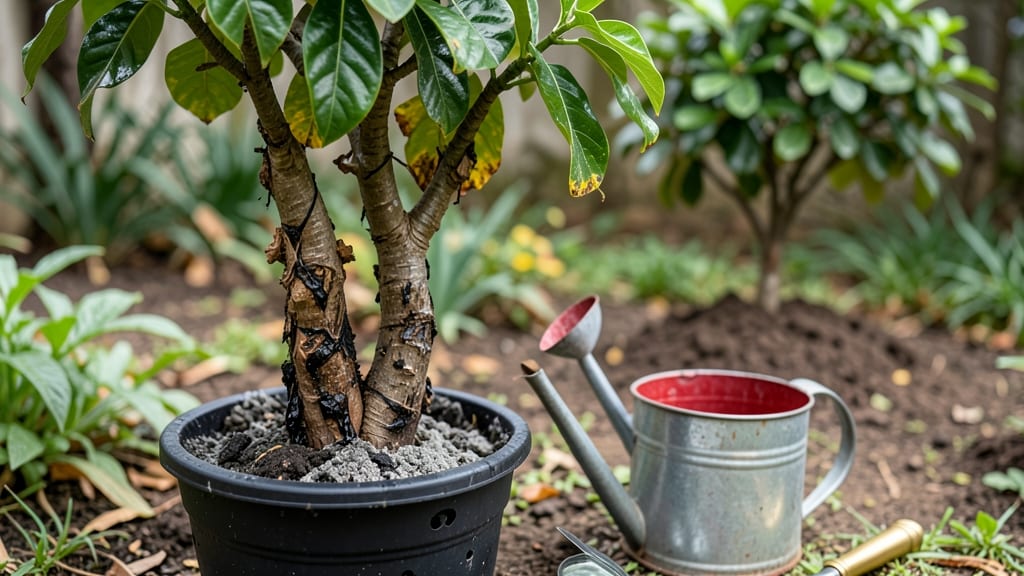
An overwatered money tree plant can go from lush to limp in days—unless you act fast. 🌿 I’ve nursed more than my share of soggy pachira plants back to health, and the secret isn’t complicated: it’s about saving the roots before the leaves.
The first sign? Yellowing leaves and that dreaded droop, even when the soil feels damp.
Root rot sets in when roots suffocate in soggy soil, cutting off oxygen and nutrients. Most people overreact by watering less, but the real fix starts with draining excess water—immediately.
Grab a pot with drainage holes, fresh potting mix, and a sharp pair of scissors (sterilized with rubbing alcohol). You’ll trim the damaged roots and repot in minutes.
Within 2-3 weeks, you’ll see new growth pushing through as the roots recover. The key is patience: let the top inch of soil dry out completely before watering again.
A moisture meter helps, but even a finger test works—if it’s damp, wait one more day. Your money tree will bounce back, stronger than ever.
This method works for any overwatered tropical houseplant—just adjust the soil mix for your plant’s needs. Keep the humidity up with a pebble tray, and soon you’ll have a thriving pachira that’s the envy of every room. Let’s get those roots breathing again!
Root Causes Of Overwatering
Your money tree plant (Pachira aquatica) thrives on balance—too little water and it wilts, but too much? That’s when its roots start screaming for help. Overwatering isn’t just about giving the plant extra love; it’s a silent killer that disrupts its very ability to breathe.
Let’s dig into the science behind why this happens and how to spot the warning signs before it’s too late.
Money trees hate soggy feet, and poor drainage is the #1 reason their roots drown. Here’s why:
- Compacted or heavy soil (like clay) doesn’t allow excess water to escape, creating a waterlogged zone where roots suffocate. Think of it like wearing wet socks all day—uncomfortable and unhealthy!
- Lack of drainage holes in the pot traps water at the bottom, turning the root ball into a swamp. Roots need oxygen, and stagnant water replaces it with harmful anaerobic bacteria.
- Overpotting with a container much larger than the plant’s root system leads to excess moisture retention. A bigger pot = more soil = more time for water to linger.
💡 Pro Tip: If your pot lacks drainage holes, upgrade to one with them—or place a layer of gravel or perlite at the bottom to create a "false floor" that lets water drain away.
Money trees are tropical plants, but their roots aren’t built for constant moisture. Here’s how overwatering sneaks up:
- Ignoring the "dry topsoil" rule: Stick your finger 1–2 inches into the soil. If it’s damp, wait. If it’s bone-dry, water deeply—but only until water runs out the drainage holes.
- Watering on a fixed schedule (e.g., every Monday) instead of checking soil moisture. Factors like humidity, temperature, and pot size change how fast soil dries.
- Using ice cubes or misting as a watering method. While humidity helps, these techniques don’t hydrate the roots—they just add moisture to the leaves, leading to fungal issues.
⏰ Actionable Fix: Switch to the finger test and water only when the top 2–3 inches of soil feel dry. In winter, reduce watering by half—money trees grow slower in cooler months.
Your plant’s surroundings play a huge role in how it processes water. These factors can trick you into overwatering:
- Low light conditions: Money trees slow their growth in dim spaces, so they need less water. Yet, many owners compensate by watering more, thinking the plant is thirsty.
- Humid climates or bathrooms: High humidity means the soil stays moist longer. If you’re not adjusting your watering, roots stay saturated, inviting rot.
- Cold drafts or AC vents: Cool air slows evaporation, keeping soil damp longer. Pair this with your usual watering routine, and you’ve got a recipe for root rot.
🌡️ Quick Check: Move your plant near a window (but avoid direct sun) and monitor soil moisture. If the topsoil dries faster, you’re likely overwatering in its current spot.
When roots sit in water, they become a buffet for harmful microbes. Here’s how overwatering opens the door:
- Root rot fungi (like Phytophthora) thrive in waterlogged soil, blocking nutrient uptake and causing leaves to yellow or drop.
- Bacterial soft rot turns roots mushy and black, emitting a foul odor. This is a death sentence if left unchecked.
- Powdery mildew on leaves: While not a root issue, overwatering creates the perfect humid environment for this fungal guest.
🔥 Emergency Action: If you suspect root rot, stop watering immediately. Gently remove the plant, trim black/mushy roots with sterilized scissors, and repot in fresh, dry soil with perlite.
Now that you know the why, the next step is fixing it—without losing your plant in the process. Stay tuned for our revival guide to bring your money tree back to life!
Fixing an Overwatered Money Tree
Reviving your money tree (Pachira aquatica) after overwatering is totally doable—just follow these targeted fixes based on the root cause. Whether it’s soggy soil, poor drainage, or root rot setting in, these steps will help your plant bounce back to its lush, lucky self.
Before diving into fixes, check the severity of the issue: - Gently remove the plant from its pot and inspect the roots.
Healthy roots are firm and white, while mushy, black, or brown roots signal rot. - Smell the soil—a foul odor means bacteria or fungi are thriving. - Check for wilting or yellowing leaves—these are clear signs of stress.
> 💡 Pro Tip: If the roots are mostly firm but the soil is compacted, you can still save the plant with adjustments. But if more than 50% of roots are rotting, you may need to propagate healthy cuttings.
Overwatering creates a suffocating environment for roots. Here’s how to reset:
🔥 For Minor Overwatering (Firm Roots, Soggy Soil)
- Empty excess water from the pot’s drainage tray.
- Let the soil dry out for 2–3 days before watering again.
- Repot if needed—if the soil is compacted, mix in 20% perlite or orchid bark to improve aeration.
🍳 For Moderate Overwatering (Some Root Rot, Still Salvageable)
- Trim affected roots with sterilized scissors (cut away black/mushy sections).
- Rinse the roots under lukewarm water to remove old soil.
- Repot in fresh, well-draining soil (use a mix of potting soil + perlite + coconut coir).
- Place the pot in a shallow tray of water for 10–15 minutes to rehydrate roots gently, then drain.
👨🍳 For Severe Root Rot (Most Roots Damaged)
- Prune back all rotted roots—keep only healthy, firm sections.
- Disinfect the pot with a 1:10 bleach-water solution (rinse well).
- Repot in fresh, sterile soil with 50% perlite to prevent future rot.
- Hold off on watering for 5–7 days to let roots recover.
Prevention is key! Money trees hate soggy feet. Follow this watering cheat sheet:
| Sign | Action |
|---|---|
| Top inch of soil dry | Water thoroughly until it drains from the bottom. |
| Yellow leaves | Stop watering—let soil dry completely before moistening again. |
| Drooping leaves | Check soil moisture—if dry, water; if soggy, wait. |
| Foul smell | Flush the soil with water to remove salt buildup. |
> ✨ Pro Tip: Money trees thrive in moderate humidity. Mist leaves occasionally or place the pot on a pebble tray with water (ensure the pot isn’t sitting in it).
- Light: Place your money tree in bright, indirect light (east or north-facing windows are ideal). Avoid harsh sun, which can stress already weak plants.
- Airflow: Ensure the plant gets gentle breezes (open a window or use a small fan on low). Stagnant air encourages fungal growth.
- First 2 weeks: Water only when the top 2 inches of soil are bone-dry.
- Prune damaged leaves to redirect energy to root recovery.
- Fertilize lightly after 4–6 weeks with a balanced, diluted houseplant fertilizer (half-strength).
- Don’t water on a schedule—always check soil moisture first.
- Avoid heavy, clay pots—they retain too much moisture. Opt for terracotta or fabric pots instead.
- Skip the mulch—organic mulch can hold excess moisture against the roots.
With patience and these fixes, your money tree should perk up in 2–4 weeks. Keep an eye on its progress, and soon you’ll be back to admiring its vibrant, lucky green leaves! 🌿💚
Frequently asked questions about overwatered money trees
How can I tell if my money tree has root rot?
Look for black, mushy roots when you gently remove the plant from its pot. Healthy roots should be firm and white. You might also notice yellowing leaves, wilting, or a foul odor coming from the soil. If you see these signs, act fast by trimming the damaged roots and repotting in fresh, dry soil with perlite.
Can I save a money tree if most of its roots are rotted?
It depends on how much of the root system is still healthy. If more than 50% of roots are firm and white, you can save it by cutting away the rotten sections, repotting in fresh soil, and withholding water for 5-7 days. If almost all roots are damaged, try propagating healthy stems in water or soil instead.
Why does my money tree droop even when the soil feels dry?
This usually means the roots are still recovering from past overwatering. Even if the topsoil feels dry, waterlogged roots below can't absorb moisture properly. Let the soil dry completely between waterings, and consider repotting with 20% perlite to improve drainage. Place the plant in bright, indirect light to help it recover faster.
How often should I water my money tree after fixing overwatering?
After reviving your plant, wait until the top 2-3 inches of soil are completely dry before watering again. In winter, reduce watering by half since growth slows. Use the finger test: stick your finger in the soil—if it's damp, wait one more day. A moisture meter can also help track soil conditions accurately.
What's the best pot material to prevent future overwatering?
Terracotta pots are ideal because they allow moisture to evaporate through the walls. Fabric pots also work well as they're breathable. Avoid heavy clay pots without drainage holes, as they trap excess moisture. Always ensure your pot has drainage holes to prevent water from pooling at the bottom.