
Trees
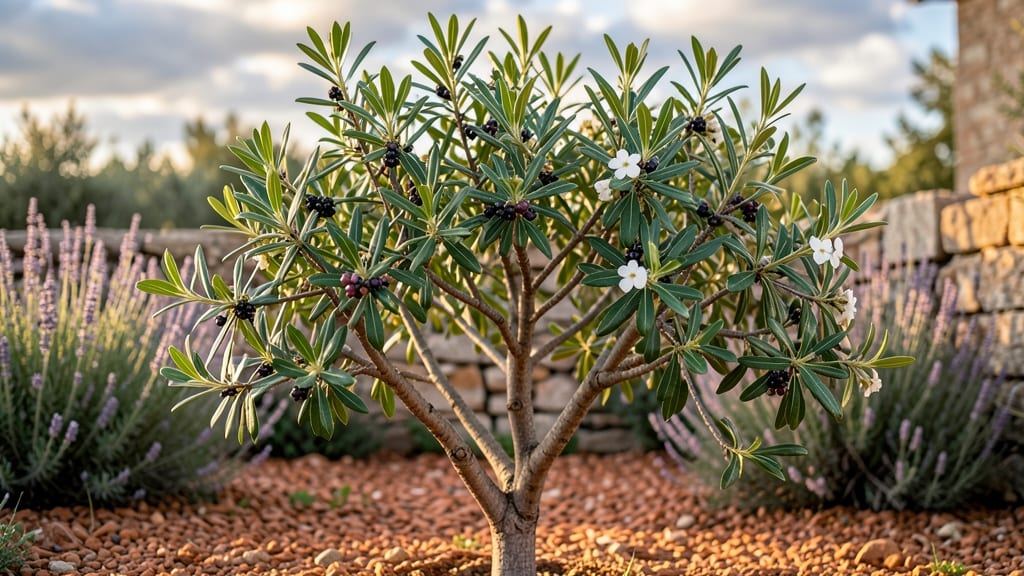
Myrtle tree leaves are nature’s secret weapon—fragrant, versatile, and packed with uses from kitchen to medicine. 🌿 I’ve used them for everything from flavoring meats to soothing minor cuts, and the key to unlocking their full potential starts with healthy leaves.
The problem? Many gardeners struggle with yellowing, pests, or fungal issues that rob these leaves of their power.
Yellowing leaves often signal overwatering or nutrient deficiency, while browning edges point to underwatering or salt buildup. Spider mites and scale insects leave sticky residue, and fungal spots appear as dark patches.
The good news? Most issues fix with simple adjustments—like adjusting watering, pruning affected branches, or applying neem oil for pests. Let’s get your myrtle thriving so you can harvest those leaves year-round.
📚 In This Guide
- What you need
- Instructions
- Tips and common mistakes
- Wrapping up and next steps
What you need
- ● Fresh or dried myrtle leaves: 1–2 cups (adjust based on recipe; fresh leaves are best for cooking, while dried work for teas or infusions).
- ● Food-grade olive oil or water: ½ cup (for infusions, marinades, or cooking).
- ● Salt: To taste (iodized or sea salt preferred for culinary uses).
- ○ Optional flavor boosters: Garlic cloves (2–3, minced for marinades or dishes).
- ● Lemon zest or juice (1–2 lemons for brightness).
- ● Honey or sugar (1–2 tbsp for teas or syrups).
- ● Chef’s knife & cutting board: For harvesting or chopping leaves (a sharp knife ensures clean cuts!).
- ○ Mortar & pestle (optional but helpful): For crushing leaves into a fine powder for teas or rubs.
- ● Small saucepan or pot: For infusions, teas, or simmering myrtle-infused oils.
- ● Fine-mesh strainer or cheesecloth: To strain oils or liquids from leaves.
- ● Air-tight containers (glass jars preferred): For storing dried leaves or infused oils (label them! 📝).
- ○ Thermometer (optional): For monitoring oil temperatures during infusion (ideal range: 160–180°F).
- ● Positive myrtle leaf identification: Confirm leaves are from a Myrtus communis tree (avoid toxic lookalikes like laurel). Check this guide if unsure!
- ● Allergies or sensitivities: Test a small amount of myrtle-infused oil or tea on skin/ingestion before full use.
- ● Harvesting know-how: Pick leaves from organic, pesticide-free trees (or grow your own!). Avoid roadside plants.
- ● Drying setup (if using fresh leaves): A cool, dark, well-ventilated space (or a dehydrator at 95°F for 2–4 hours).
- ● 🌡️ Drying leaves: Hang in small bunches or spread on a tray. They’re ready when crispy and brittle (1–2 weeks).
- ● ✨ Infusing oils: Store myrtle-infused oil in a dark bottle to preserve color and potency (lasts ~3 months refrigerated).
- ● 🎯 Storage: Keep dried leaves in a sealed jar away from light/heat for up to 1 year.
How to harvest and preserve myrtle tree leaves for culinary and medicinal use
Myrtle's aromatic leaves are nature's versatile treasure chest—here's how to unlock their full potential.
🌿 Step 1: Identify and Harvest Leaves at Peak Flavor
Pick leaves from healthy, mature myrtle trees in late spring or early summer when the foliage is deep green and fragrant. Avoid leaves with brown spots or yellowing—they'll compromise flavor and medicinal properties. I always harvest after morning dew has evaporated, as leaves contain the highest concentration of essential oils then.
Use clean, sharp scissors to snip small sprigs (about 3-4 inches long) rather than pulling individual leaves. This prevents damaging the tree and ensures you get the full aromatic bundle. Never harvest more than 20% of the plant's foliage in one session to maintain its health and productivity.
🌱 Step 2: Clean and Prepare Leaves for Immediate Use or Preservation
Rinse harvested leaves gently under cool water to remove dust and debris, then pat them dry with a clean kitchen towel. Spread them on a clean, flat surface or hang sprigs upside down in small bunches to air-dry completely. Proper drying preserves the leaves' medicinal compounds and prevents mold—aim for 1-2 weeks until they're crisp and brittle.
For immediate culinary use, you can skip drying and use fresh leaves directly in recipes. I like to finely chop them and add to marinades within 24 hours of harvesting for maximum potency. If you notice any leaves remaining damp after drying, extend the drying time or increase airflow—moisture is the enemy of preservation.
✂️ Step 3: Preserve Leaves Through Drying or Freezing
Once completely dry, store leaves in airtight glass containers away from direct sunlight to maintain their vibrant color and aromatic properties. I prefer using small jars with tight-sealing lids, as they allow me to portion out leaves as needed for cooking or medicinal preparations. Label each container with the harvest date—properly stored leaves retain their potency for up to 1 year.
For freezing, place dried leaves in ice cube trays filled with olive oil or water, then transfer to freezer bags once frozen. This method works particularly well for culinary uses, allowing you to add precise amounts to dishes without measuring. Frozen leaves maintain their flavor for 6-12 months, though they'll lose some potency over time.
💧 Step 4: Utilize Leaves in Culinary and Medicinal Preparations
For culinary use, myrtle leaves make excellent additions to marinades, sauces, and teas. I like to infuse them in olive oil for 2-3 weeks to create a fragrant base for dressings or finishing oils. Steep 1-2 teaspoons of dried leaves in 1 cup of boiling water for 5-10 minutes to make a soothing herbal tea with digestive benefits.
Medicinally, myrtle leaves are valued for their antimicrobial and anti-inflammatory properties. Create a tincture by steeping leaves in high-proof vodka for 4-6 weeks in a dark place, then strain and store. Use 10-15 drops in water or tea as needed. Always consult a healthcare provider before using myrtle leaves medicinally, especially if you're pregnant, nursing, or on medications.
Tips & tricks for perfect myrtle leaf preservation
These insider tricks will help you maximize flavor and potency in every harvest.
Harvest Timing: Morning is ideal for harvesting—those first few hours after dew evaporates (around 9-10 AM) concentrate the essential oils in the leaves. I've found that leaves harvested at this time retain their medicinal properties and aromatic intensity for preservation. The deep green color you're looking for indicates peak flavor, so avoid any leaves showing even slight yellowing or browning, as these will compromise both taste and therapeutic benefits.
Drying Technique: For optimal drying in Step 2, create airflow by placing leaves on a screen or rack rather than a solid surface. This prevents moisture buildup underneath that can lead to mold. If you're short on time, a food dehydrator set to 95°F will reduce drying time to just 2-3 hours while preserving all the beneficial compounds. The leaves are ready when they're completely crisp and brittle—this usually takes the full 1-2 weeks, but don't rush it.
Storage Strategy: When storing your dried leaves in Step 3, consider adding a small silica gel packet to your glass containers. This helps absorb any residual moisture that could degrade the leaves' quality over time. For culinary uses, I like to crush the dried leaves lightly between my fingers before storing—this releases more aroma and makes them easier to measure when cooking. Remember that proper storage in dark, cool places extends their potency to that full 1-year mark.
Medicinal Preparation: For the tincture in Step 4, use a dark glass bottle to store your finished product. Light exposure can degrade the active compounds in myrtle leaves, so keep it in a cupboard away from windows. When measuring out your 10-15 drops, use a dropper bottle specifically designed for tinctures—regular droppers can be inaccurate and waste precious medicine. Always shake the bottle well before each use to redistribute any settled leaves.
Pro Tips for Myrtle Tree Leaves
- These insider tricks will help you maximize flavor and potency in every harvest.
- Harvest Timing: Morning is ideal for harvesting—those first few hours after dew evaporates (around 9-10 AM) concentrate the essential oils in the leaves.
- Drying Technique: For optimal drying in Step 2, create airflow by placing leaves on a screen or rack rather than a solid surface.
Frequently asked questions
Got questions about harnessing the power of myrtle tree leaves? You’re not alone! Here are some of the most common queries—plus straightforward answers to help you get the most out of this versatile plant.
When is the best time to harvest myrtle tree leaves?
Harvest leaves in late spring or early summer when they’re fully mature but still tender. Avoid overharvesting from a single plant—aim for no more than 1/3 of the foliage at a time to ensure regrowth. Dried leaves retain flavor for up to a year, so harvest before the first frost if you’re in a cold climate.
Can I use myrtle leaves fresh or do I need to dry them first?
Both work! Fresh leaves are great for teas, garnishes, or quick cooking, but they lose potency fast. For long-term use, drying (hang bundles upside-down in a dark, dry place for 1–2 weeks) concentrates their flavor and medicinal properties. Pro tip: Store dried leaves in airtight containers away from light.
What’s the easiest way to use myrtle leaves in cooking?
Start simple! Infuse oils or vinegars by steeping 2–3 fresh leaves in 1 cup of liquid for 1–2 weeks. Use them to garnish soups, stews, or grilled meats (like lamb or fish) for an earthy, citrusy kick. Warning: Remove leaves before eating—unless you’re using them as a culinary garnish (they’re edible in small amounts!).
Are myrtle leaves safe for medicinal use, and how do I prepare them?
Yes, but moderation is key! Myrtle leaves have anti-inflammatory and antimicrobial properties. For tea, steep 1 tsp dried leaves in 1 cup hot water for 5–10 minutes. Drink 1–2 cups daily for respiratory support or digestion. Consult a healthcare provider if pregnant, nursing, or on medications.
What can I do if my myrtle tree leaves turn yellow or wilt?
Yellowing leaves often signal overwatering or nutrient deficiency. Let soil dry between waterings and ensure the tree gets 6+ hours of sunlight daily. Wilted leaves may mean underwatering or heat stress—trim affected leaves and provide shade if needed. Fun fact: Prune lightly in early spring to encourage bushier, healthier growth!
Can I substitute myrtle leaves for other herbs like bay or rosemary?
Myrtle has a mild, slightly citrusy bay/rosemary vibe but is lighter and more aromatic. Use a 1:1 ratio in recipes, but taste as you go—myrtle’s flavor is subtler. Try it in: marinades, herbal blends, or as a tea alternative to chamomile.
Wrapping up and next steps
From flavorful cooking to natural remedies, myrtle tree leaves are a versatile treasure waiting to be explored! 🌿 Whether you’re brewing tea, seasoning dishes, or crafting homemade salves, these leaves offer a world of possibilities—just beyond your doorstep.
Now that you’re armed with the how-to’s and insider tips, why not start small?
Try infusing myrtle leaves into your next meal or blending them into a soothing remedy this weekend. Experiment, enjoy, and share your discoveries! The kitchen—and your wellness routine—will thank you. 🌟