
How To
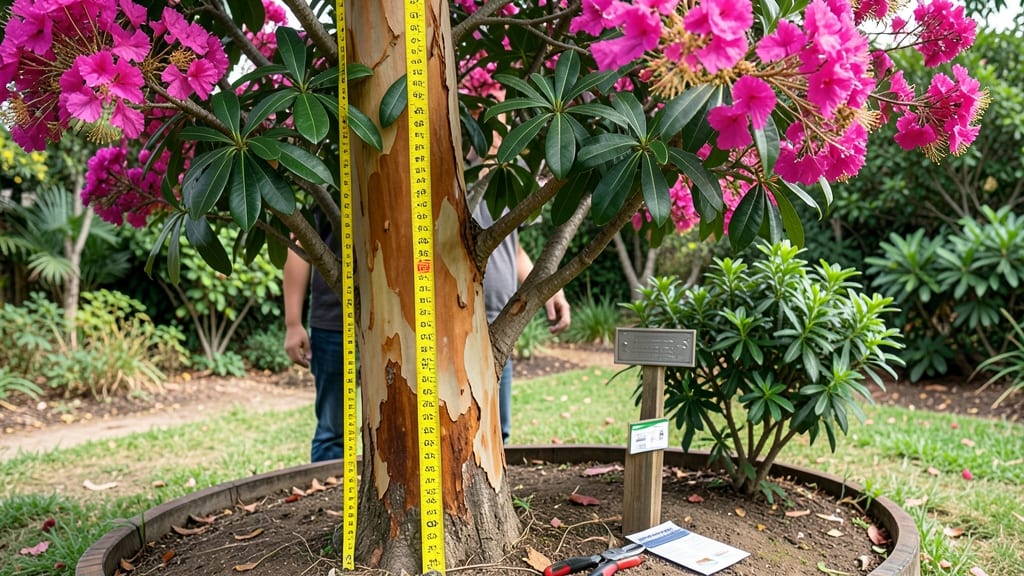
A crepe myrtle tree grows how tall does a crepe myrtle tree grow anywhere from 6 feet to towering 30 feet, depending on the variety you choose and where you plant it 🌳.
If you're dreaming of a stunning, low-maintenance tree that blooms like a cloud of pink or purple fireworks, crepe myrtles might be your perfect match—but first, you need to know how big they’ll get.
Some varieties stay compact, perfect for small yards, while others reach heights that make them the stars of large landscapes. The difference often comes down to the type of crepe myrtle you pick and the climate where you live.
In this guide, I’ll break down the height ranges by variety, how your local climate affects growth, and simple pruning tips to keep your tree at your ideal height—whether you want a cozy accent piece or a dramatic focal point.

Crepe myrtle height ranges by variety: dwarf to giant sizes
Choosing the right crepe myrtle variety is like picking a tree that fits your landscape perfectly—whether you need a 6-foot shrub for a small patio or a 30-foot giant to shade your backyard.
The height differences between cultivars are dramatic, so let’s break down what to expect from dwarf varieties to towering standards. These ranges help you visualize how each will look in your space before planting.
One of the most popular dwarf crepe myrtles is the 'Arapaho' variety, which tops out at just 6-8 feet tall. This makes it ideal for small yards, containers, or urban gardens where space is limited.
Meanwhile, varieties like 'Natchez' or 'Muskogee' can reach 20-30 feet, perfect for large landscapes or as statement trees in open areas.
Growth rates also vary significantly. Dwarf varieties grow about 12-18 inches per year, while standard types can shoot up 24-36 inches annually under ideal conditions. This means your 6-foot 'Arapaho' might take 5-6 years to reach maturity, while a 25-foot 'Natchez' could hit its peak in just 8-10 years.
Here’s a quick comparison of height ranges for some of the most popular crepe myrtle varieties, including their mature sizes and ideal uses:
| Variety | Mature Height | Growth Rate | Best For |
|---|---|---|---|
| 'Arapaho' | 6-8 ft | 12-18 in/year | Small yards, containers, urban gardens |
| 'Tonto' | 8-10 ft | 15-20 in/year | Medium spaces, privacy screens |
| 'Muskogee' | 10-15 ft | 20-24 in/year | Large containers, small to medium yards |
| 'Natchez' | 20-30 ft | 24-36 in/year | Large landscapes, shade trees |
| 'Sioux' | 20-25 ft | 24-30 in/year | Medium to large yards, focal points |
| 'Tuscarora' | 25-30 ft | 30-36 in/year | Large properties, shade providers |
If you’re working with limited space, varieties like 'Arapaho' or 'Tonto' are game-changers. They fit neatly into patio gardens, balconies, or even large pots, yet still deliver those show-stopping blooms.
For larger properties, the 20-30 foot giants like 'Natchez' or 'Tuscarora' create dramatic focal points and provide ample shade.
Pro tip: Always check your local climate zone when selecting a variety. Some dwarf types may grow slightly taller in warmer zones (8-10), while standard varieties might stay shorter in cooler zones (5-7).
This is why I always recommend planting one size up if you’re in a colder region to account for slower growth.
For container growing, stick to dwarf or semi-dwarf varieties like 'Arapaho' or 'Muskogee'. Use a large pot (at least 24 inches wide) with well-draining soil and prune annually to maintain shape.
Remember, even dwarf crepe myrtles need full sun (6+ hours daily) to thrive and reach their full potential height.
When planning your landscape, consider how the mature height of your crepe myrtle will interact with nearby structures. A 25-foot tree planted too close to a 10-foot roof could cause issues down the road.
Always leave at least 10-15 feet of clearance from buildings, power lines, and other trees to avoid future headaches.
Finally, don’t forget that pruning can influence height. While you can’t drastically reduce the mature size of a standard variety
How climate zones affect crepe myrtle growth height
Your crepe myrtle’s final height isn’t just about the variety you choose—it’s heavily influenced by your USDA hardiness zone. In warmer zones like 9-10, these trees can grow aggressively, reaching their maximum genetic potential of 20-30 feet.
But in cooler zones like 5-6, growth slows dramatically, often capping at 10-15 feet due to shorter growing seasons and winter stress.
This zone-driven growth pattern explains why a Natchez crepe myrtle might hit 25 feet in Zone 9 but only 12 feet in Zone 7.
The temperature extremes of colder zones force the tree to allocate energy toward survival rather than vertical expansion, while warmer climates encourage rapid, uninhibited growth during extended growing seasons.
| USDA Zone | Avg. Mature Height | Growth Rate | Pruning Needs |
|---|---|---|---|
| 5-6 | 6-12 ft | Slow (1-2 ft/year) | Minimal (late winter) |
| 7-8 | 10-18 ft | Moderate (2-3 ft/year) | Light (spring/fall) |
| 9-10 | 20-30 ft | Fast (3-5 ft/year) | Regular (year-round) |
In Zone 5-6, crepe myrtles often struggle with winter dieback, which can permanently stunt their height. I’ve seen Tonto varieties in Zone 6 max out at 8 feet when given proper winter mulch, while the same variety in Zone 8 easily surpasses 15 feet.
The key difference? Extended frost-free periods in warmer zones allow for uninterrupted growth spurts during spring and summer.
Adjust your pruning strategy based on your zone to control height naturally. In Zones 9-10, I recommend summer pruning to redirect energy away from vertical growth and toward bushier canopies. For Zones 7-8, a late-winter cleanup suffices to remove dead wood without overcorrecting growth patterns.
In Zones 5-6, prune only after the last frost to avoid encouraging tender new growth that winter will damage.
Remember that even within the same zone, microclimates matter. A crepe myrtle planted in a sheltered urban area (like near a brick wall) may grow 20% taller than one in an exposed rural location, thanks to warmer microclimates. Always consider these localized factors when estimating your tree’s potential height.
For gardeners in cooler zones, choosing dwarf varieties like 'Arapaho' (6-8 ft) or 'Tonto' (8-10 ft) can help you achieve the look you want without the height.
But if you’re in Zone 9 or 10 and want a dramatic statement tree, embrace the growth potential—just plan for regular pruning to maintain safety and manageability around your home.