
Pruning
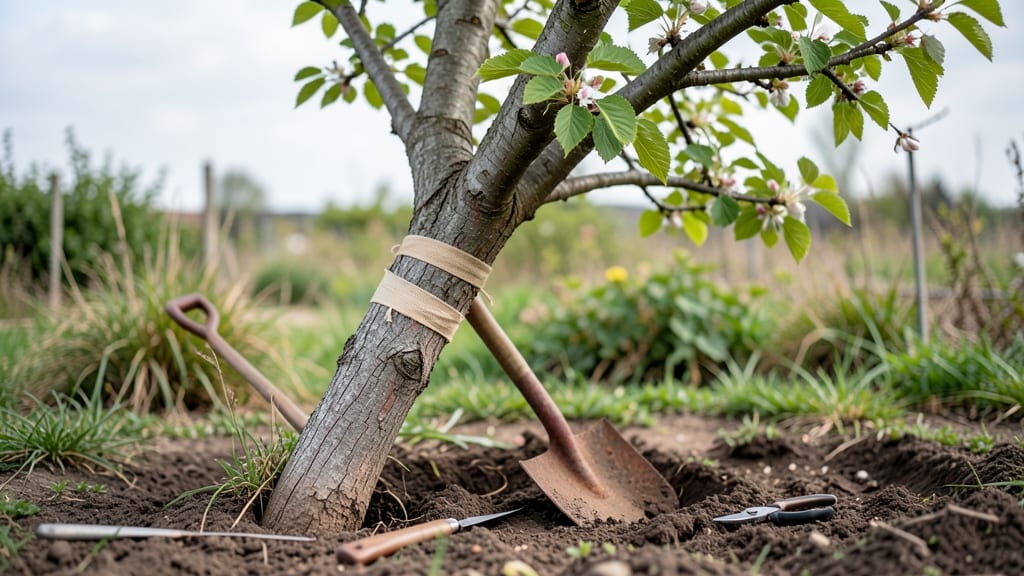
A leaning tree can turn your yard into a hazard—until you make 3 simple cuts that restore balance. 🌳 I’ve fixed enough wobbly trees to know the right pruning techniques can save a tree (and your fence) without killing it.
The key is understanding which branches to trim and when to step back and call in reinforcements.
Most leans happen from wind, poor planting, or weak roots—not just bad luck. You’ll learn how to spot the difference between a fixable tilt and a tree that needs professional support.
No arborist degree required, just sharp tools and a clear head. We’re talking about 3 strategic cuts that redistribute weight, not hacking away at random.
By the end, your tree won’t just look better—it’ll stand stronger. Think of it like giving your tree a structural tune-up: less wobble, more stability, and zero guesswork. The best part? You can do this in a weekend, even if you’ve never pruned before.
We’ll cover when to stake vs. cable, how to tell if roots are the real issue, and why some leans need an arborist’s touch. Safety first, results guaranteed—no more dodging branches when the wind picks up.
Why it happens
When a tree starts to lean—whether slightly or dramatically—it’s often a sign that its root system and soil environment are out of balance. Unlike humans, trees can’t just shift their weight to compensate for instability; instead, they rely on their roots to anchor them securely.
If these roots or the soil beneath them aren’t up to the task, the tree will tilt over time. Here’s why this happens, broken down into the most common culprits:
🌱 Uneven Root Growth
Trees grow roots in response to their environment, and if one side of the root system develops more aggressively than the other, the tree will lean toward the stronger side. This can happen for several reasons:
- Soil compaction: Hard or compacted soil (often caused by foot traffic, construction, or heavy machinery) restricts root expansion on one side, forcing roots to grow deeper or spread unevenly on the other side. Example: A sidewalk or driveway pressing against one side of the root zone can create a "barrier" that stunts growth.
- Nutrient disparities: If one side of the soil has more organic matter, water, or nutrients (like from a compost pile or fertilizer runoff), roots will naturally gravitate toward that area, pulling the tree’s center of gravity off-kilter.
- Genetic predisposition: Some tree species, like willows or poplars, have naturally shallow or fibrous root systems that are more prone to imbalance. Even healthy trees of these types may lean if the soil isn’t uniformly supportive.
Actionable insight: If you suspect uneven root growth, dig a shallow trench around the tree (about 12–18 inches deep) to inspect the root spread. Look for clusters of roots on one side or signs of soil compression.
💧 Water Stress and Soil Erosion
Water plays a critical role in root health and soil stability. Too much or too little moisture can disrupt the delicate balance needed to keep a tree upright:
- Drought or dehydration: When soil on one side dries out faster (e.g., due to sun exposure or poor drainage), roots on that side may shrink or die back. The tree compensates by leaning away from the stressed side to access moisture from the wetter soil.
- Excessive irrigation: Overwatering can saturate one side of the root zone, causing soil to become waterlogged and unstable. This often happens near downspouts, sprinkler heads, or low-lying areas where water pools.
- Erosion or slope instability: On sloped terrain, soil can erode unevenly, especially after heavy rains or construction. If the topsoil washes away from one side, the remaining roots lose support, and the tree tilts downward.
Actionable insight: Check for signs of water stress like wilting leaves on one side or muddy soil after rain. Install a rain gauge or soil moisture sensor to monitor hydration levels evenly around the tree.
🌪️ Wind and Physical Forces
Trees are resilient, but persistent wind or physical forces can gradually push or pull them out of alignment. Unlike sudden storms that topple trees instantly, chronic exposure to wind or human activity causes a slow, creeping lean:
- Dominant wind patterns: Trees in open areas (like yards or parks) often lean into the prevailing wind direction over years. For example, coastal trees may lean toward the ocean due to salt-laden winds.
- Building or fence pressure: Structures like houses, garages, or tall fences can block wind on one side, creating an imbalance. Over time, the tree may lean away from the obstruction to seek better airflow.
- Animal or human interference: Animals digging (e.g., dogs, raccoons) or people leaning ladders or tools against the trunk can disrupt root integrity on one side.
Actionable insight: Observe the tree’s lean direction—if it aligns with a common wind source (e.g., always toward the west), wind is likely the primary cause. Use windbreaks like shrubs or lattice screens to reduce exposure on the weaker side.
🌿 Disease or Root Damage
When roots or the tree’s vascular system are compromised, the tree may lean as it prioritizes survival over stability. Common issues include:
- Root rot: Fungal infections (like Armillaria or Phytophthora) thrive in waterlogged soil, causing roots to decay. Since roots on the lower or wetter side are often affected first, the tree leans away from the infected zone.
- Insect infestations: Borers (e.g., emerald ash borer) or root-feeding grubs can weaken structural roots, reducing the tree’s ability to anchor itself. Leaning may occur suddenly if a major root is compromised.
- Mechanical injury: Past trauma, such as lawnmower damage or construction cuts, can sever roots on one side, leaving the tree unbalanced. Even old wounds can reactivate and cause instability years later.
Actionable insight: Look for mushrooms at the base (sign of rot), sawdust-like frass (insect activity), or cracks in the bark near the soil line. A certified arborist can perform a resistograph test to assess internal damage.
Fixing a Leaning Tree Safely
A leaning tree isn’t just an eyesore—it can pose serious risks to your property, safety, and even your home. The good news? With the right approach, you can stabilize it or correct its lean without cutting it down.
Below are practical, step-by-step solutions tailored to the most common causes of a tree’s tilt, along with prevention tips to keep it standing strong for years.
If your tree is leaning due to shallow roots, soil erosion, or poor anchorage, the solution lies below ground.
🔧 Strengthen the Root System
- 🌱 Assess the Roots
- Gently dig around the base (about 12–18 inches deep) to check for exposed or weak roots.
- If roots are bare, rotting, or broken, they need support.
- 💧 Water Deeply & Consistently
- Water the tree slowly and deeply (1–2 inches per week) to encourage root growth.
- Avoid overwatering—soggy soil weakens roots further.
- 🌿 Add Supportive Soil Mix
- Mix compost, mulch, or organic matter into the top 6–12 inches of soil to improve drainage and nutrient absorption.
- Pro Tip: 💡 Use mycorrhizal fungi (a natural root booster) to enhance stability.
- 🛠️ Install Root Barriers or Guides (If Needed)
- If soil erosion is the issue, bury a root barrier (like landscape fabric) around the base to prevent washout.
- For wind-prone areas, consider soil anchors (stakes with cables) to reinforce the root zone.
🌡️ Prevention Tips for Soil-Related Leans
- ✨ Mulch Properly: Keep mulch 3–4 inches thick but 6 inches away from the trunk to avoid girdling.
- 🌧️ Drainage Matters: Ensure water flows away from the tree—never pools near the base.
- 🌿 Avoid Compaction: Stay off the root zone with heavy equipment or foot traffic.
If your tree is leaning due to wind, storms, or improper planting, it may need physical support to prevent further tilt.
🛑 Stop the Lean Before It Worsens
- 🪵 Use Tree Stakes or Guylines
- For young trees: Install 2–3 stakes (angled away from the lean) and secure with flexible ties (not wire—it can girdle the trunk).
- For mature trees: Use guy wires (cables) anchored to ground stakes at a 45-degree angle to counteract the lean.
- 🌿 Prune Strategically to Reduce Wind Load
- Remove dead, weak, or crossing branches to lighten the canopy.
- ⚠️ Warning: Never remove more than 25% of the canopy at once—this stresses the tree.
- 🌳 Check for Structural Weaknesses
- If the trunk is cracked, split, or hollow, consult an arborist—some leans can’t be fixed without removal.
🌡️ Prevention Tips for Wind Damage
- 🌳 Plant Wisely: Choose native, wind-resistant species (like oaks, maples, or pines) for storm-prone areas.
- 🌿 Space Trees Properly: Give trees room to grow (follow spacing guidelines for the species).
- 🌧️ Prepare for Storms: Prune before hurricane season to reduce wind resistance.
If the lean is due to uneven growth, poor pruning, or heavy one-sided branches, the fix is often above ground.
🍃 Prune to Rebalance the Tree
- 🔪 Identify the Heavy Side
- Look for longer branches, thicker foliage, or fruit clusters on one side—these create imbalance.
- 🌿 Thin Out the Heavy Side
- Remove selective branches (not just the tips) to reduce weight without sacrificing structure.
- 💡 Pro Tip: Use the "third cut" method (make a small notch under the branch, then cut just outside the branch collar).
- 🌱 Encourage New Growth on the Light Side
- If one side is bare, prune lightly to stimulate new shoots (avoid heavy trimming).
🌡️ Prevention Tips for Pruning-Related Leans
- 🎯 Follow the "3-Cut Rule": Always make three precise cuts (not one rough hack) to avoid tearing the bark.
- 📅 Prune at the Right Time: Late winter/early spring (for deciduous trees) promotes healthy regrowth.
- 🚫 Avoid Topping: Never remove the top of a tree—this causes sucker growth and weakens structure.
Not all leans can be DIY-fixed. Consult a professional if:
- The tree is cracked, split, or rotting at the base.
- The lean is sudden and severe (could indicate root failure or storm damage).
- The tree is large or near structures (removal may be safer than repair).
Final Thought: 🌳 A leaning tree doesn’t always mean a death sentence—early action can save it. Start with soil support, strategic pruning, or wind stabilization, and your tree can stand tall (and safe) for decades.
Frequently asked questions
How do I know if my leaning tree is safe to fix myself?
Check for these red flags first: cracks in the trunk, mushrooms growing at the base (sign of rot), or a lean of more than 15 degrees. If the tree is near power lines, your house, or shows signs of disease (like oozing sap), call an arborist. For healthy trees with minor leans, DIY fixes like staking or pruning work well.
Can I use regular garden stakes or do I need special tree supports?
Regular stakes can work for young trees, but for mature trees, use tree-specific stakes with flexible ties (like nylon straps). Avoid wire—it can girdle the trunk over time. For heavy leans, guy wires with turnbuckles (available at garden centers) provide better support.
Will pruning really fix a leaning tree, or is it just cosmetic?
Pruning helps redistribute weight by removing heavy branches on the lean side, but it’s not a magic fix. For best results, combine pruning with soil support (like compost) and staking. Think of it like physical therapy—it strengthens the tree over time rather than curing it instantly.
How long does it take to see results from fixing a leaning tree?
With proper care, you’ll notice improved stability within 3–6 months as roots strengthen and new growth balances the tree. For severe leans, it may take 1–2 years
Can I fix a leaning tree in winter?
Winter is actually a great time for pruning and staking since trees are dormant. Avoid heavy pruning in extreme cold, but light trimming and support installation work well. Just be sure to protect cuts with tree sealant if temperatures drop below 20°F.