
How To
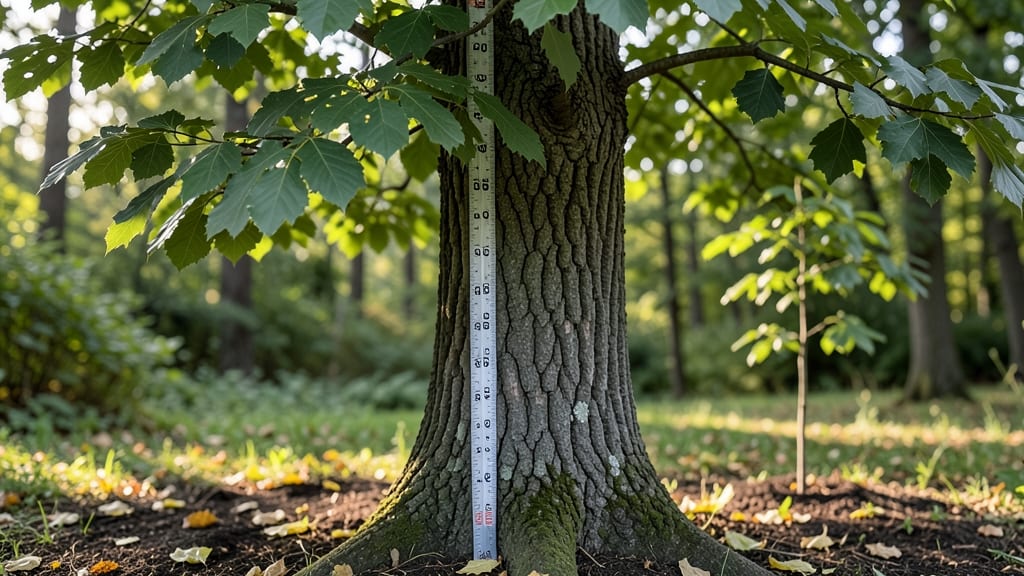
How tall does an ash tree grow? The answer depends on the species and growing conditions, with mature heights ranging between 40 and 80 feet—though some varieties can even exceed 100 feet under ideal circumstances. Many homeowners are surprised by how quickly these trees reach their full height, making proper planning essential before planting. If you're considering adding one to your yard, understanding its potential size is key. Some species grow aggressively, while others remain more compact. But how tall will yours become? The answer depends on the species, growing conditions, and the care you provide. White ash and green ash are among the fastest-growing, with some reaching 60 feet in just 20 years. Meanwhile, black ash tends to stay shorter, typically maxing out around 50 feet. Without proper spacing and pruning, even a smaller variety can quickly outgrow its intended space. In this guide, I’ll break down height expectations by species, how to control growth with pruning, and the best planting practices to keep your ash tree healthy for decades. Let’s get started.

Ash tree height by species: from dwarf to giant varieties
Choosing an ash tree for your landscape means understanding mature height differences between species—some grow as tall as three basketball courts stacked, while others remain manageable for smaller yards. The White Ash and Green Ash are classic giants, while dwarf varieties (like the Columnar Ash) offer compact alternatives.
Let’s break down height expectations by species, including growth rates and ideal climates to help you pick the perfect fit.
Native to North America, ash trees thrive in USDA Zones 4-9, but their height potential varies dramatically.
A Green Ash in a rural setting might reach 60-75 feet, while the same tree in an urban environment with restricted roots could max out at 40-50 feet. Climate and space play huge roles—soil quality, sunlight exposure, and even pruning habits can influence how tall your ash tree grows over decades.
If you’re working with limited space, the Columnar Ash is your best bet—it tops out at 35 feet while maintaining a narrow, upright form. This makes it perfect for urban landscapes or as a street tree alternative.
However, its slower growth (only 0.5-1 foot per year) means it’ll take 20+ years to reach maturity. For faster results, the Green Ash grows 1.5-2.5 feet annually, making it a top choice for quick shade solutions.
The White Ash and Blue Ash are mid-size giants, reaching 50-80 feet but with distinct advantages. White Ash boasts the tallest potential (up to 80 feet), but its fragile wood makes it prone to wind damage in exposed areas.
Meanwhile, the Blue Ash stands out with its square stems and drought tolerance, ideal for dry climates like the Midwest or Southwest.
For wetland or flood-prone areas, the Black Ash is a unique but underused option. Its 40-60 foot height and slow growth rate make it a low-maintenance choice, though it’s rare outside its native
Factors that determine how tall your ash tree will grow
Your ash tree's height isn't just about the species—it's a mix of nature and nurture. While some varieties naturally reach 80 feet, others may stay shorter due to growing conditions. Understanding these factors helps you plan for your tree's future growth and manage its space in your yard effectively.
Sunlight exposure plays a critical role in determining how tall your ash tree grows. These trees thrive in full sun conditions (6+ hours daily), which fuels rapid vertical growth. In shaded areas, growth slows significantly, often resulting in a 20-30% height reduction compared to sun-exposed trees.
- Sunlight Exposure: Full sun (6+ hours) promotes maximum height (60-80 ft), while partial shade limits growth to 30-50 ft. Urban planting often reduces sunlight, capping height at 40-60 ft.
- Soil Quality: Well-draining, nutrient-rich soil supports faster growth. Compacted or poor soil can stunt height by 15-25%. Test soil pH (ideal: 6.0-7.5) and amend with compost if needed.
- Pruning Practices: Strategic pruning in late winter/early spring can reduce height by 10-20% per year. Avoid over-pruning, which stresses the tree and slows growth. Use drop crotch pruning to control upward growth.
- Climate & Region: Trees in rural areas with open space grow taller (60-80 ft) than urban trees (40-60 ft) due to pollution and root restriction. Coastal regions may see 10-15% faster growth due to humidity.
- Water Availability: Consistent deep watering (15-20 gallons weekly for young trees) supports height growth. Drought stress can reduce mature height by 20-30%. Mulching retains moisture and encourages taller growth.
Soil quality directly impacts how tall your ash tree grows. These trees prefer well-draining soil with a slightly acidic to neutral pH (6.0-7.5). Poor soil, like clay or sandy loam without amendments, can restrict root development, limiting height by up to 25%.
I always recommend testing your soil before planting and adding organic matter like compost to improve drainage and fertility.
Pruning techniques are another powerful tool to influence your ash tree's height. If you want to keep it shorter, prune in late winter or early spring while the tree is dormant. Focus on removing suckers and water sprouts to redirect energy toward lateral growth.
For dramatic height reduction, use the drop crotch method, where you cut back branches to a lateral branch growing outward.
Regional climate also plays a surprising role in ash tree height. Trees planted in rural areas with open space and minimal pollution tend to grow taller (60-80 feet) compared to their urban counterparts (40-60 feet).
Urban trees face root restriction from sidewalks and compacted soil, which stunts their growth. Additionally, coastal regions often see 10-15% faster growth due to higher humidity levels.
Finally, water availability can make or break your ash tree's height potential. Young trees need deep, consistent watering (15-20 gallons weekly) to establish strong roots. Drought stress during critical growth years can permanently reduce mature height by 20-30%.
Always water in the morning to minimize evaporation and mulch around the base to retain moisture.