
How To
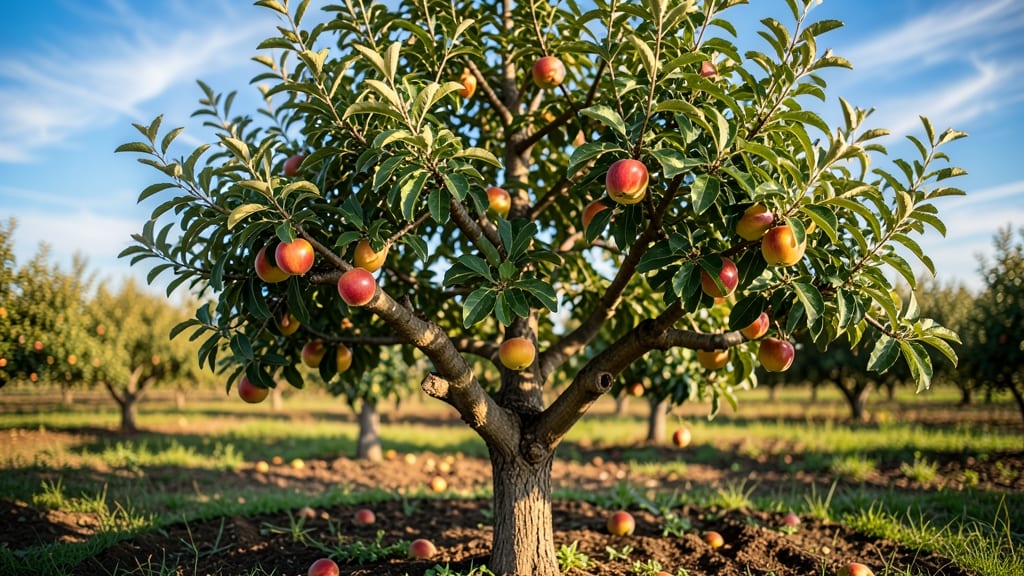
A nectarine tree grows between 10 and 25 feet tall at maturity, depending on the variety and growing conditions — but don’t let that intimidate you if space is tight.
If you dream of growing juicy nectarines but lack the space for a full-sized tree, you’re not alone — many gardeners face this challenge. The good news? Compact varieties like 'Flavorcrest' or 'Redgold' stay under 12 feet while still producing sweet, flavorful fruit.
Standard nectarine trees can reach 20 to 25 feet in ideal conditions, but semi-dwarf types top out around 12 to 18 feet, making them perfect for smaller yards. With the right pruning and spacing, even a dwarf nectarine tree can thrive in containers or tight spaces.
Below, I’ll break down how to choose the right variety, manage height through pruning, and ensure your 🍑 nectarine tree fits your garden — no matter how limited the space.

Average height of nectarine trees: standard vs. dwarf varieties compared
Choosing the right nectarine tree size depends on your garden space and long-term care goals. Standard varieties can reach towering heights, while dwarf options stay manageable for small yards or containers. Understanding these differences helps you plan your garden layout and ensures your tree thrives without outgrowing its space.
Standard nectarine trees typically mature between 20-25 feet tall, requiring ample yard space and regular pruning to maintain fruit quality. Semi-dwarf varieties offer a compromise, reaching 12-18 feet, while dwarf varieties stay between 8-12 feet, making them ideal for urban gardens or patio growing.
Growth rates also vary significantly. Standard trees grow 2-3 feet per year until maturity, while dwarf varieties grow 1-2 feet annually. This slower growth makes dwarf trees easier to manage and harvest.
| Variety | Mature Height (ft) | Spread (ft) | Growth Rate (ft/year) | Space Needs |
|---|---|---|---|---|
| Standard | 20-25 | 15-20 | 2-3 | Large yard, 20+ ft clearance |
| Semi-Dwarf | 12-18 | 10-15 | 1.5-2.5 | Medium yard, 15+ ft clearance |
| Dwarf | 8-12 | 6-10 | 1-2 | Small yard, patio, or container |
When planning your garden layout, consider the spread of each variety, which can exceed the tree's height. Standard trees may spread 15-20 feet, while dwarf varieties stay between 6-10 feet. This spread affects sunlight exposure for other plants and walkways in your garden.
For small gardens, dwarf varieties like 'Flavorcrest' or 'Redgold' are excellent choices, fitting neatly into patio spaces or raised beds. These varieties produce abundant fruit despite their compact size, making them highly efficient for urban growers.
If you're unsure which size to choose, consider your pruning goals. Even standard trees can be pruned to stay smaller, but this requires more effort and expertise. Dwarf trees are naturally easier to maintain, with less aggressive pruning needed to keep them in check.
Always check the rootstock of your nectarine tree, as this significantly influences size. Dwarf varieties are often grafted onto semi-dwarf or dwarfing rootstock, which naturally restricts their growth. Standard trees, however, are typically grafted onto seedling rootstock, allowing them to grow much taller.
For container growing, choose a dwarf variety with a 5-gallon pot or larger. Ensure the container has drainage holes and use a high-quality potting mix to support healthy root development. Container-grown trees may need slightly more frequent watering than those in the ground.
Remember that nectarine trees need full sun—6+ hours daily—regardless of their size. Place your tree where it receives adequate sunlight to ensure optimal fruit production and tree health. Shade from nearby structures or larger trees can stunt growth and reduce yields.
With the right variety and proper planning, you can enjoy homegrown nectarines without sacrificing garden space. Whether you choose a towering standard tree or a compact dwarf, understanding these height differences ensures your tree thrives in its new home. 🌳
Best space-saving nectarine tree varieties for small gardens
When space is limited, choosing the right nectarine tree variety can make all the difference. Compact varieties like 'Flavorcrest' and 'Redgold' are perfect for small gardens, patios, or even large containers.
These varieties grow to 8-12 feet tall at maturity, making them ideal for urban gardeners or those with limited yard space.
Not all nectarines are created equal—some varieties stay small naturally, while others can be pruned to control their height. For example, 'Springcrest' is another excellent choice, reaching just 6-8 feet tall and producing sweet, flavorful fruit.
Understanding these differences helps you select the perfect fit for your garden layout and climate.
Mature height isn’t the only factor to consider. Spread, yield potential, and climate adaptability also play key roles. Below is a comparison of the best space-saving varieties, including their ideal growing conditions and care requirements.
If you live in a cooler climate, like USDA Zone 5 or 6, 'Springcrest' is an excellent choice due to its cold hardiness and compact size. For warmer regions, such as Zones 8-10, 'Redgold' thrives and produces abundant fruit.
Always check your local climate zone to ensure the variety you choose will flourish in your area.
For container growing, opt for dwarf varieties like 'Flavorcrest', which can be grown in large pots (at least 20 gallons) with proper drainage. Ensure the container is wide enough to accommodate the tree’s spread and use a high-quality potting mix to promote healthy root growth.
When selecting a variety, also consider your sunlight exposure and soil type. Most compact nectarine trees require full sun (6+ hours daily) and well-draining soil. Amend heavy or clay soil with compost to improve drainage and nutrient availability for optimal growth.
With the right variety and care, you can enjoy homegrown nectarines without sacrificing your garden space. Start small, monitor growth, and prune regularly to maintain the ideal size for your outdoor area. Happy gardening! 🍑🌳