
Pruning
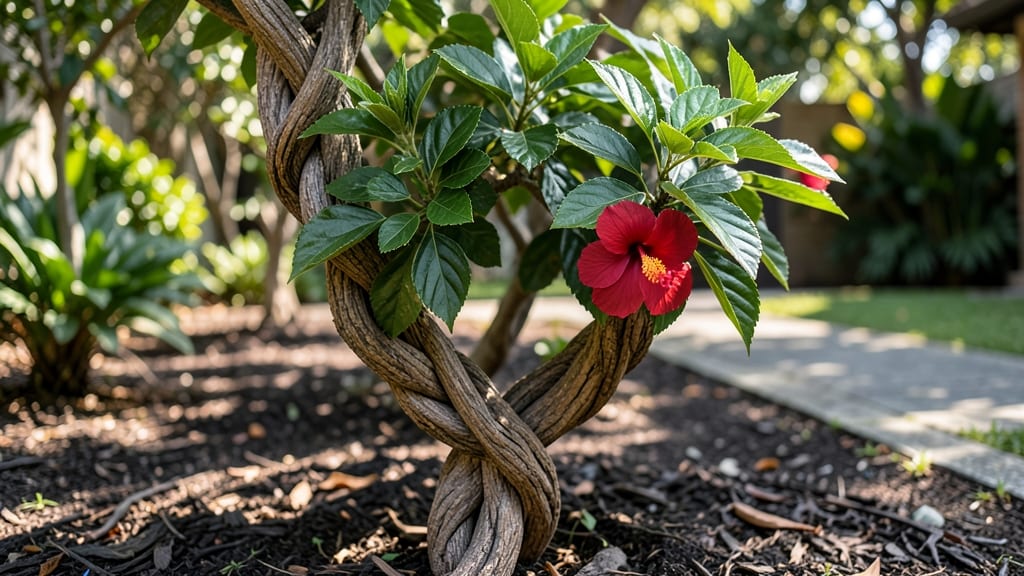
A hibiscus braided tree can control its height to 8 to 12 feet tall if left unchecked — but with the right pruning, you can shape it into a manageable size without sacrificing those show-stopping blooms.
Picture this: Your backyard 🌺 suddenly becomes a jungle of tangled branches, overshadowing your patio or deck. The good news? Strategic pruning isn’t just about cutting back — it’s about guiding growth to keep your tree at your ideal height while encouraging more flowers.
Factors like sunlight, soil, and even your pruning timing play a huge role in how tall (or short) your hibiscus grows. In Zone 6a, where spring planting kicks off in April, understanding these variables is the key to maintaining a tree that’s both healthy and visually stunning.
Below, I’ll walk you through how to control your hibiscus’s height, from the best pruning techniques to avoiding common mistakes that stunt growth. Ready to master the art of shaping your 🌺 without the guesswork?

How to prune a hibiscus braided tree to control height without killing blooms
Your hibiscus braided tree can grow up to 12 feet tall if left unchecked, but strategic pruning lets you shape it into a manageable size while keeping those vibrant blooms coming. The key is timing, technique, and knowing which branches to trim to encourage fuller growth rather than height.
I’ve pruned my own braided hibiscus for years, and I’ll share exactly how to do it right—so you can enjoy a lush, compact tree that fits your space perfectly.
Pruning at the right time is critical—do it too early or too late, and you risk stunting blooms or stressing the tree. The best window is late winter or early spring, just before new growth begins, or right after flowering season in fall.
Avoid heavy pruning during summer when the tree is actively blooming, as this can reduce next year’s flowers. I always mark my calendar for February or March in my USDA Zone 7b garden to stay on schedule.
Before you grab your shears, gather the right tools: sharp bypass pruners for clean cuts, sterilized rubbing alcohol to wipe between cuts (to prevent disease), and gloves to protect your hands from thorns.
I also keep a small notebook handy to sketch my tree’s structure before pruning—this helps me visualize where to make cuts for the best shape. Never use dull tools, as they can tear branches and invite infections.
Now, let’s get to the step-by-step process. Follow these 5 essential steps to prune your hibiscus braided tree like a pro:
Step-by-Step Pruning Guide for Hibiscus Braided Trees
- 1 Assess the tree’s structure: Stand back and look for overcrowded branches or those growing inward. Remove any dead, diseased, or crossing branches first—they’re the easiest cuts and won’t affect blooms.
- 2 Identify height-control branches: Focus on vertical shoots longer than 12 inches. These are the culprits pushing your tree upward. Cut them back to a bud or lateral branch to redirect growth outward.
- 3 Make clean, angled cuts: Always cut just above a leaf node or outward-facing bud at a 45-degree angle. Avoid leaving stubs, which can rot. For thick branches, use your pruners to cut in two steps if needed.
- 4 Thin the canopy: Remove 1/3 of the oldest branches to improve air circulation and light penetration. Target branches that are thinner than a pencil—they won’t regrow well and can harbor pests.
- 5 Fertilize and water post-prune: After pruning, apply a balanced fertilizer (10-10-10) and water deeply. This jumpstarts new growth. I also add mulch around the base to retain moisture and protect roots.
One of the biggest mistakes I see is over-pruning to control height too aggressively. If you cut back more than 30% of the tree’s foliage at once, you’ll shock the plant and reduce next year’s blooms.
Instead, aim for 10-20% reduction per year to maintain a healthy balance. My braided hibiscus blooms more abundantly now that I’ve learned to prune lightly but consistently.
For a braided hibiscus tree, pay special attention to the main vertical trunk. If it’s too tall, you can make a heading cut just above a strong lateral branch to encourage a bushier shape.
Just avoid cutting into the braided sections themselves—they’re structural and shouldn’t be trimmed. Instead, focus on the branches growing from the braided trunk.
After pruning, monitor your tree closely for the first 2-3 weeks. Look for signs of new growth (tender green shoots) or stress (yellowing leaves). If you notice wilting, give it a light trim back on any overly aggressive new shoots to redirect energy.
I also keep an eye out for aphids or spider mites, which love fresh pruning wounds—neem oil spray is my go-to for prevention.
To keep your hibiscus braided tree at a specific height, like 5-6 feet for a patio, repeat the pruning process every year in late winter. Over time, you’ll train it to stay at your desired height while still producing dozens of blooms.
My tree now sits at a perfect 6 feet tall and looks like a tropical showstopper without overwhelming my backyard. With patience and the right technique, you can achieve the same!
Remember, the goal isn’t just to reduce height—it’s to create a balanced, healthy tree that thrives. By pruning strategically and caring for it afterward, your hibiscus braided tree will reward you with vibrant blooms and lush foliage for years to come. Happy pruning! 🌺✂️🌿
Hibiscus braided tree height limits: natural growth vs. pruned size
Understanding your hibiscus braided tree height limits starts with recognizing its natural growth patterns. Left unpruned, these trees typically reach 8 to 12 feet in height, with some varieties exceeding this range.
However, with strategic pruning, you can easily maintain a 4 to 6-foot height, perfect for patio spaces or small gardens.
The key to controlling height lies in understanding how pruning techniques interact with natural growth. Without intervention, your braided hibiscus will grow tall and bushy, but targeted cuts can redirect energy toward width or keeping it compact.
This balance ensures your tree stays manageable while still producing those vibrant tropical blooms you love.
Here’s how natural growth compares to pruned size for hibiscus braided trees, along with factors affecting their height:
| Growth Factor | Natural Growth (Unpruned) | Pruned Size (Managed) | Ideal For |
|---|---|---|---|
| Height Range | 8–12 feet | 4–6 feet | Patio, small gardens |
| Growth Timeline | 2–3 ft (Year 1), 6–8 ft (Year 3) | 1–2 ft (Year 1), 3–4 ft (Year 2) | Urban landscapes |
| Sunlight Needs | 6+ hours daily | 6+ hours daily | Balconies, containers |
| Soil Type | Well-draining, fertile | Well-draining, fertile | Containers, raised beds |
| Pruning Frequency | Minimal (1x/year) | 2–3x/year | Privacy screens, borders |
To achieve a 4 to 5-foot height, focus on pruning in late winter or early spring before new growth begins. Cut back one-third of the branches to a bud or joint, ensuring you leave at least 3–4 healthy buds on each stem.
This encourages bushier growth and prevents the tree from becoming top-heavy.
Factors like soil quality, sunlight exposure, and watering consistency also influence height. For example, poor soil or insufficient sunlight can stunt growth, while rich, well-draining soil and full sun promote faster, healthier development. Always prioritize these basics before pruning to maximize results.
Regularly inspect your tree for overgrowth signs, such as long, leggy branches or sparse foliage. These are clear indicators it’s time for another round of pruning. With consistent care, your hibiscus braided tree will thrive at your desired height while still showcasing its stunning blooms.
🌺