
How To
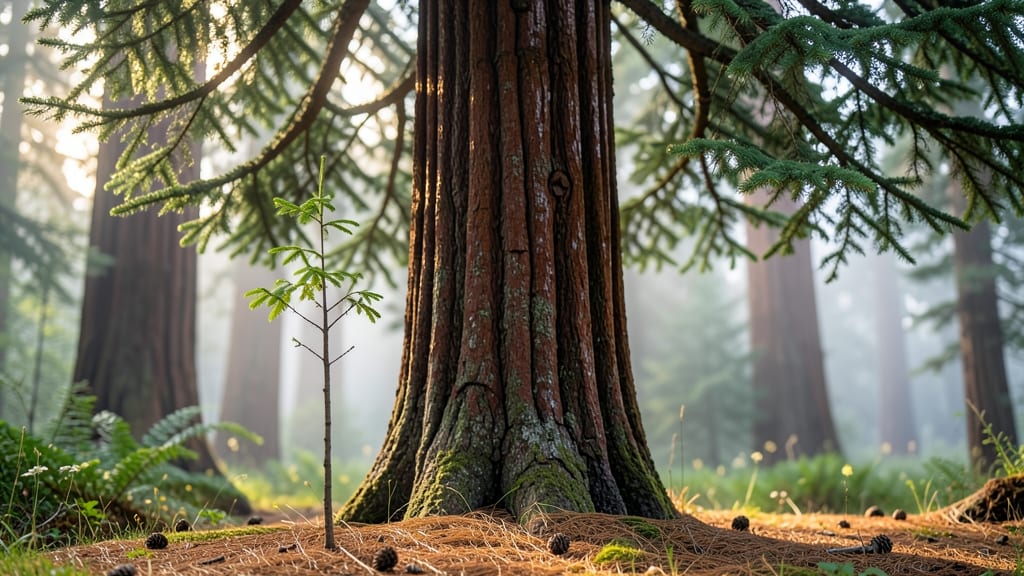
A sequoia tree can grow how tall can a sequoia tree grow—some even reach heights of over 380 feet—making them the tallest trees on Earth 🌲.
Picture this: a tree so massive it takes 20 people stacked on each other just to match its height. That’s the kind of scale we’re talking about, and it’s not just a matter of space—it’s about the perfect mix of climate, soil, and time.
These giants don’t grow overnight, but when conditions align, they stretch toward the sky with astonishing speed.
If you’ve ever dreamed of planting one, though, think twice—these aren’t backyard shrubs. We’ll break down the two main species, coastal redwoods and giant sequoias, and explain what it takes for them to hit those record heights.
Spoiler: it’s not just about the seeds you plant, but the centuries of care they need.
From the foggy coasts of California to the Sierra Nevada mountains, these trees thrive in specific zones, and we’ll cover how to give them the best shot at reaching their full potential—even if that means admiring them from afar.

Coastal redwood vs. giant sequoia: which tree grows taller?
When comparing coastal redwoods (Sequoia sempervirens) and giant sequoias (Sequoiadendron giganteum), the coastal redwood takes the crown for height. These iconic trees aren’t just tall—they’re the tallest trees on Earth, with some reaching heights that defy imagination.
But what makes them grow so tall, and how do their growth rates differ? Let’s dive into the numbers and science behind these forest giants.
The tallest coastal redwood ever recorded, "Hyperion," stands at a staggering 380.1 feet (115.8 meters), making it the tallest known tree in the world. Meanwhile, the tallest giant sequoia, "General Sherman," is more famous for its massive volume than its height, reaching just 275 feet (83.8 meters).
While both species are ancient and majestic, their growth habits and environmental needs set them apart.
Coastal redwoods thrive in the foggy, coastal climates of California and Oregon, where moisture in the air helps them grow taller. Their shallow but extensive root systems allow them to absorb water efficiently, even in nutrient-poor soils. In contrast, giant sequoias prefer the drier, mountainous regions of the Sierra Nevada, where their deep taproots help them access water deep underground.
Here’s how they stack up in key growth metrics:
While coastal redwoods grow taller overall, giant sequoias are champions of volume and longevity. General Sherman, for example, weighs more than 2.7 million pounds—equivalent to about 1,500 cars!
Their massive trunks and thick bark make them incredibly resilient to fire and pests, which is why they often live longer than coastal redwoods.
If you’re dreaming of growing a sequoia in your garden, know that these trees are not practical for home landscapes. However, their dwarf or miniature varieties (like Sequoia sempervirens 'Pendula') can reach 15–20 feet tall in ideal conditions, making them a unique addition to large properties.
For most gardeners, admiring these giants in their natural habitats—like Redwood National Park or Sequoia National Park—is the best way to experience their grandeur.
Both species rely on full sun exposure and well-draining soil, but their water needs differ. Coastal redwoods thrive in humid, foggy environments, while giant sequoias adapt to drier conditions with their deep roots.
Understanding these differences can help you appreciate why one grows taller than the other—and why they’re both marvels of nature.
For those curious about cultivating smaller sequoia-like trees, consider Dawn Redwood (Metasequoia glyptostroboides), a deciduous relative that grows to 60–80 feet tall and is more manageable for larger gardens.
Whether you’re a gardener or just a nature enthusiast, these trees remind us of the incredible heights nature can achieve.
🌲
The science behind sequoia growth: why do they reach such heights?
Sequoias aren't just tall—they're the tallest trees on Earth, with some reaching heights of over 380 feet. But how do they grow so massive? The answer lies in their genetic adaptations, root systems, and ideal climate conditions.
Unlike most trees, sequoias have evolved to thrive in cool, foggy environments, which slows water loss and supports rapid vertical growth.
One key factor is their shallow but extensive root system. While they don’t have deep taproots like oaks, sequoias spread their roots wide to absorb moisture from the fog-laden air and shallow soil. This allows them to compete for sunlight in dense forests, pushing upward to dominate the canopy.
Their bark, up to 3 feet thick, also protects them from fires and pests, giving them a survival advantage.
🌲 Key Factors Behind Sequoia Height
- Genetics: Fast-growing species with vertical growth dominance
- Climate: Cool, foggy environments reduce water stress
- Roots: Shallow but wide-spreading for moisture absorption
- Bark: Fire-resistant (up to 3 ft thick)
- Soil: Well-draining, nutrient-rich forest floors
For gardeners, these traits mean patience and space—sequoias need decades to mature and thrive best in large, open areas with consistent moisture.
Another critical element is their soil composition. Sequoias prefer acidic, well-draining soils rich in organic matter, like those found in old-growth forests. The nutrient-dense soil supports their rapid growth, while the high humidity of their native habitats minimizes water loss through transpiration.
Without these conditions, even young sequoias struggle to reach their full potential.
Interestingly, sequoias grow fastest in their first 50 years, adding up to 3 feet per year in ideal conditions. However, their growth slows dramatically as they age, with mature trees adding only a few inches annually.
This early rapid growth is a survival strategy—allowing them to outcompete other trees for sunlight before their competitors catch up.
For gardeners dreaming of growing sequoias, the takeaway is clear: patience and space are non-negotiable. While you won’t grow a 300-foot giant in your backyard, understanding these growth principles can help you cultivate faster-growing trees like Douglas firs or bald cypresses, which share similar adaptations.
Focus on well-draining soil, consistent moisture, and full sun exposure to mimic their natural conditions.
If you’re limited by space, consider dwarf varieties of related species, like the Monterey cypress, which offers a sequoia-like aesthetic without the massive size. Even a small sequoia-inspired tree can bring that towering presence to your landscape—just with a little more manageable height!