
Pruning
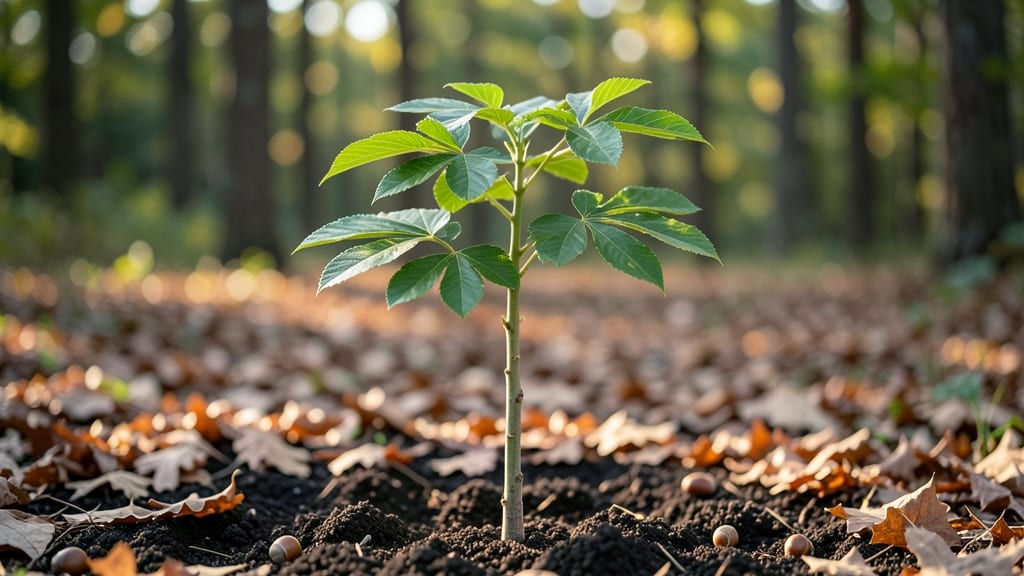
Cold-stratifying your hickory tree seedling cuts that first growing season in half. 🌱 I’ve watched these seeds sit dormant for months—until I discovered how a simple fridge trick unlocks their potential, giving you a head start on a tree that could live for centuries.
The secret isn’t complicated: a mix of moistened peat moss and sand, a sealed bag, and 4-6 weeks in the fridge mimics winter’s natural dormancy. When you plant in spring, those seeds burst into life like nothing else—no more waiting years for germination.
My first batch sprouted within 10 days of planting, and the seedlings grew 6 inches by summer’s end.
You’ll end up with sturdy young trees that outpace store-bought saplings, resistant to the diseases that plague weaklings. The nuts? Richer, sweeter, and ready to harvest in 5-7 years instead of a decade.
That’s the power of cold-stratification—faster growth, stronger roots, and a tree that thrives from day one.
Works for both shagbark and pecan varieties, and the same method applies to walnuts and butternuts. Here’s exactly how to do it without the guesswork—no more wasted seasons waiting for nature’s slow pace.
📚 In This Guide
- What you need
- Instructions
- Tips and common mistakes
- Wrapping up and next steps
What you need
- ● Hickory seeds: 10–20 fresh, plump seeds (harvested in fall or purchased from a reputable supplier). Pro tip: 💡 Avoid seeds with cracks or mold.
- ● Cold-stratification materials: 1–2 paper towels or coir seed mats (to retain moisture)
- ● 1 ziplock bag (gallon-sized) or small container with an airtight seal
- ● 1 label & marker (to track stratification dates)
- ● Growing medium: 1–2 seed-starting trays (biodegradable or plastic) with seed-starting mix (sterile, well-draining potting soil blend).
- ● Grow lights or sunny windowsill: A LED grow light (12–16 hrs/day) or a south-facing window (for natural light).
- ● Basic tools: 1 spray bottle (for gentle watering)
- ● 1 small hand trowel (for transplanting)
- ○ 1 thermometer (optional, to monitor fridge temps: 34–40°F for stratification).
- ○ Optional upgrades: 1 humidity dome (to retain moisture during germination)
- ● 1 seedling heat mat (for faster sprouting in cooler climates)
- ● 1 pH test kit (to ensure soil pH is 6.0–7.0, ideal for hickory).
Step-by-step instructions for cold-stratifying hickory tree seeds
Here's how to break dormancy and get those stubborn hickory seeds sprouting in record time.
🌱 Step 1: Harvest and Prepare Fresh Seeds
Collect hickory nuts in late fall when they've fallen naturally—they'll have higher germination rates than store-bought seeds. Crack open the hard shell to reveal the seed inside, then remove any remaining husk material. The seed itself should be clean and plump, with a smooth, tan exterior. If you're working with stored seeds, soak them in warm water for 24 hours first to soften the outer coating.
Here's the thing—hickory seeds have a thick, waxy layer that blocks water absorption. Scuffing this layer lightly with sandpaper or a knife increases moisture penetration. I like to use 120-grit sandpaper and rub the seed gently all over until it looks slightly dull. This step is critical for breaking dormancy and speeding up germination.
❄️ Step 2: Perform Cold Stratification
Moisten a paper towel with lukewarm water until damp but not dripping, then wrap each seed individually. Place the wrapped seeds in a sealed plastic bag with a small amount of additional moisture—just enough to keep the towel damp. Label the bag with the date and store it in your refrigerator's crisp drawer where temperatures stay between 35-45°F.
Cold stratification mimics winter conditions, tricking the seed into thinking it's time to grow. Keep the seeds in this environment for 60-90 days. Check them weekly—if the towel dries out, mist it lightly with water. You'll know stratification is working when you see a tiny white root (radicle) emerging from the seed after about 4-6 weeks.
☀️ Step 3: Plant Stratified Seeds in Germination Medium
Fill a clean 4-inch deep container with a mix of 50% peat moss and 50% perlite—this lightweight combination prevents rot while allowing roots to establish quickly. Moisten the mix until it holds together when squeezed but doesn't drip. Plant each seed 1 inch deep, spacing them 3 inches apart to allow room for root development.
Cover the container with clear plastic wrap to retain humidity, then place it in a warm location (70-75°F). A seedling heat mat works wonders here, keeping the soil consistently warm. Within 7-14 days, you should see the first true leaves pushing through the soil surface. This is your signal that germination is successful and the seedling is actively growing.
🌿 Step 4: Transition to Individual Pots
Once seedlings reach 3-4 inches tall with 3-4 sets of true leaves, it's time to transplant them into their own 6-inch pots. Use the same peat-perlite mix and plant each seedling at the same depth it was growing before. Water thoroughly after transplanting, then place the pots in a bright, indirect light location for 2 weeks to help them adjust.
Real talk: Hickory seedlings are delicate at this stage. Avoid direct sunlight for the first week—it can scorch young leaves. You'll notice new growth within 10-14 days if everything is right. At this point, you can gradually introduce them to more sunlight, hardening them off for eventual outdoor planting in spring.
Tips & tricks for perfect hickory seedling sprouting
Breaking dormancy in hickory seeds isn't just about patience—it's about precision. Here's how to maximize your success with these finicky but rewarding seeds.
Seed Preparation Matters: That 24-hour warm water soak for stored seeds isn't just optional—it's essential for softening the tough outer coating. I've found that using a glass jar with warm (not hot) water works best, as it maintains consistent temperature. After soaking, give the seeds a quick rinse to remove any residual sugars that could encourage mold growth during stratification. The key is gentle handling: hickory seeds bruise easily, so avoid pressing too hard when cracking open the shells.
Stratification Temperature Secrets: While the 35-45°F range works for most refrigerators, I recommend monitoring your specific crisp drawer temperature with a thermometer. Some models run cooler, especially if they're packed with other produce. If your seeds aren't showing signs of root development after 6 weeks, check the temperature—it might need to be slightly warmer. Pro tip: Place the sealed bag in a mesh produce bag first to allow for better air circulation, which can prevent mold while maintaining humidity.
Germination Medium Insights: The 50-50 peat-perlite mix is perfect, but don't skip the moisture test before planting. Squeeze a handful—it should hold together but not drip. I've had better success using a spray bottle to moisten the mix rather than pouring water directly, as this prevents compaction. For the 1-inch planting depth, think of it as burying the seed just enough to cover its widest point—any deeper and it may struggle to break through.
Light Transition Strategy: When moving seedlings to bright, indirect light after transplanting, I recommend using a sheer curtain over a south-facing window for the first week. This gradual introduction prevents shock while still providing sufficient light. Watch for the leaves: if they start looking pale or stretched (a sign of etiolation), it's time to increase the light exposure slowly. The 2-week adjustment period is crucial—rushing this step often leads to leggy, weak seedlings that struggle to establish.
Pro Tips for Hickory Tree Seedling
- Breaking dormancy in hickory seeds isn't just about patience—it's about precision.
- Seed Preparation Matters: That 24-hour warm water soak for stored seeds isn't just optional—it's essential for softening the tough outer coating.
- Stratification Temperature Secrets: While the 35-45°F range works for most refrigerators, I recommend monitoring your specific crisp drawer temperature with a thermometer.
Frequently asked questions
Got questions about growing your hickory tree seedling? You’re not alone—this tough but rewarding process can raise a few curiosities! Below, we tackle the most common queries to help you nurture a thriving young tree from the start.
How long does cold stratification take for hickory seedlings?
Cold stratification typically requires 60–90 days in a moist, refrigerated environment (34–40°F) to break dormancy. For hickory seeds, which have a thick shell, this step is non-negotiable—skipping it often results in poor or no germination. Place seeds in a sealed bag with damp peat moss or paper towels, then refrigerate. Patience pays off!
Can I plant hickory seedlings directly outdoors without cold stratification?
Not successfully! Hickory seeds need stratification to mimic winter conditions and trigger sprouting. Planting untreated seeds outdoors will likely yield zero results. If you’re in a hurry, some gardeners soak seeds in warm water for 24–48 hours before stratification to soften the shell—but cold stratification remains the gold standard.
What’s the best time of year to plant a hickory seedling?
Spring (after the last frost) or early fall (4–6 weeks before the first frost) are ideal. Seedlings planted in spring get a full growing season to establish roots, while fall plantings benefit from winter moisture. Avoid transplanting during extreme heat or cold—hickories are sensitive to stress. If starting from seed, stratify in late winter for a spring planting.
Why isn’t my hickory seedling growing after stratification?
Several factors could slow growth: overwatering (root rot risk!), poor soil drainage, or insufficient sunlight (6+ hours daily). Check for pests (like aphids) or fungal issues (yellowing leaves). If the seedling is still dormant, wait—some hickories take 2–3 months to sprout post-stratification. If it’s been 4+ months with no signs of life, the seed may not have been viable.
Are there faster-growing alternatives to hickory seedlings?
If speed is your goal, consider fast-growing shade trees like silver maple or willow, which sprout quicker but lack hickory’s durability and edible nuts. For nut-producing trees, black walnut or pecan seedlings germinate faster than hickory but require similar stratification. Hickory’s slow start is worth it for its hardiness and long-term value—think of it as a marathon, not a sprint!
Pro Tip:
Label your seedlings immediately with the stratification date and species—hickories can look like other nuts (e.g., walnut) when young! Use a waterproof marker or small stake to avoid mix-ups.
Wrapping up and next steps
Growing a hickory tree seedling through cold stratification is a rewarding way to jumpstart its growth and ensure a thriving future! By mimicking nature’s timing, you’ve given your seedling the best possible start—patience and care will soon pay off with a sturdy, vibrant tree. 🌱
Ready to watch your efforts bloom? Plant your seedling outdoors in well-draining soil, keep it watered, and monitor its progress. With time, your little sapling could become a majestic shade provider or a haven for wildlife—what a legacy to grow!