
Pruning
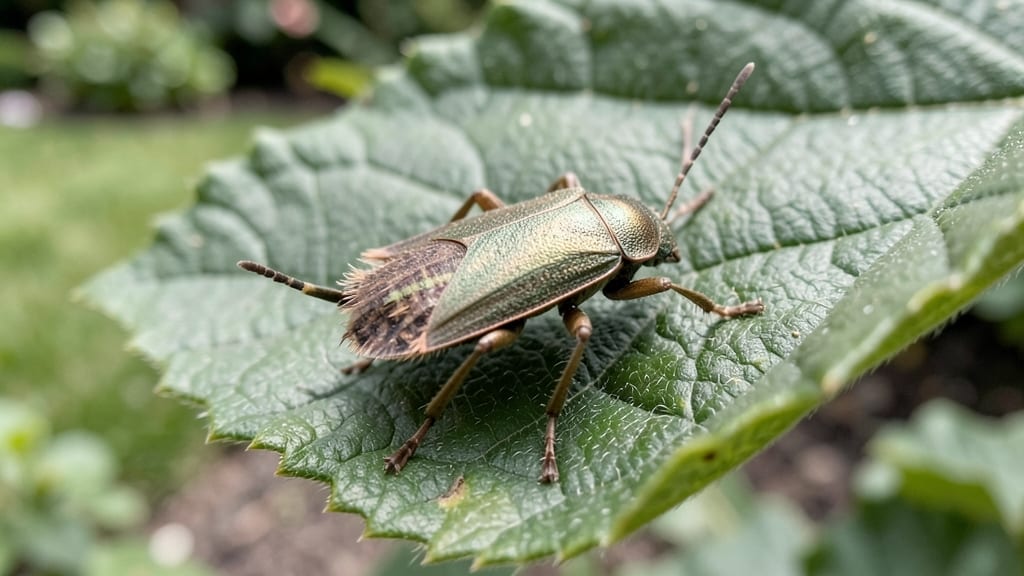
Hackberry tree bugs turn your shade tree into a pest buffet—those galls, sticky sap, and skeletonized leaves are a dead giveaway. 🌳 I’ve watched my own hackberries go from stately to stressed, but the good news? You can fight back without reaching for harsh chemicals that harm bees and butterflies.
The worst offenders—spider mites, scale insects, and hackberry nipple gall—all thrive in stressed trees. Yellowing leaves, white webbing, or those weird nipple-like bumps? That’s your tree screaming for help. The key is catching infestations early, when a simple spray of neem oil or insecticidal soap can save the day.
By late summer, you’ll see new growth free of pests, with fewer galls and no more sticky residue. The tree stays healthy, the ecosystem thrives, and you skip the guilt of chemical warfare. Here’s how to spot the damage and act fast.
Start with a close inspection of leaves and bark—look for tiny white crawlers (scale), rust-colored webbing (spider mites), or those distinctive gall formations. Prune out heavily infested branches in dry weather to stop the spread, then dispose of them far from your yard.
For scale and mites, a weekly spray of neem oil (mixed with water) works wonders, while hackberry nipple gall often fades on its own once the tree’s health improves.
The real secret? Watering deeply and mulching to reduce stress. A healthy hackberry resists pests better than a struggling one. If the tree is young or only lightly infested, it’ll bounce back with minimal effort.
But if half the canopy is dead wood and galls cover every branch, removal might be the kinder option—though that’s a last resort.
This method works for urban trees, rural landscapes, and everything in between. No chemicals, no regrets—just a tree that keeps giving shade for decades. Let’s get those bugs under control the natural way.
Understanding Root Causes
Hackberry trees (Celtis spp.) are beloved for their berries and shade, but they’re also a magnet for pests. If you’ve noticed an infestation of bugs—whether it’s aphids, hackberry nipple gall makers, or spider mites—understanding the why behind their attraction is the first step to effective, chemical-free control.
Let’s break down the science and environmental factors that turn your tree into a bug buffet.
Hackberry trees produce high-sugar, protein-rich leaves and berries, making them a prime target for insects. Here’s why:
- Soft, tender foliage: Young leaves and shoots are packed with nutrients, especially nitrogen, which attracts leaf-eating pests like hackberry psyllids and sawflies.
- Sweet berries: The ripe, edible fruit is a feast for fruit flies, beetles, and birds—which then spread eggs or larvae to other trees.
- Sap abundance: Hackberries produce sticky, sugary sap, a favorite of aphids, scale insects, and mealybugs that thrive on this sticky energy source.
Actionable insight: If your tree is over-fertilized with nitrogen, it may produce even more appealing foliage for pests. A balanced fertilizer (with lower nitrogen ratios) can help.
Stress makes trees vulnerable. When hackberries are weakened by drought, poor soil, or disease, their natural defenses drop, inviting pests to move in. Common stressors include:
- Drought or overwatering: Both extremes disrupt the tree’s ability to produce resin or defensive compounds, leaving it open to infestations. - Compacted or poor soil: Hackberries prefer well-draining, slightly acidic soil.
If the roots struggle, the tree can’t fight off pests effectively. - Fungal or bacterial infections: Diseases like anthracnose or powdery mildew weaken leaves, making them easier targets for insects.
Actionable insight: Improve soil health with compost or organic matter and ensure proper drainage. Mulching (2–4 inches of wood chips) helps retain moisture while protecting roots.
Hackberry trees are keystone species in many ecosystems, meaning they support a wide range of insects—some beneficial, some not. Here’s how nature plays a role:
- Lack of natural predators: If your yard lacks ladybugs, lacewings, or parasitic wasps, pest populations can explode unchecked.
- Monoculture landscapes: Planting only hackberries (or other single species) creates a pest paradise with no diversity to disrupt bug life cycles.
- Seasonal timing: Some bugs, like hackberry nipple gall makers, time their life cycles to coincide with new leaf growth in spring.
Actionable insight: Encourage biodiversity by planting native flowers, shrubs, and other trees. This attracts predatory insects that naturally keep pest populations in check.
Sometimes, how we care for trees (or don’t) directly invites pests. Common human-related causes include:
- Over-pruning or improper cuts: Aggressive pruning stresses the tree, reducing its ability to heal and repel insects. Poor cuts also create entry points for borers and beetles. - Ignoring early signs: Waiting until bugs are visible in masses means the infestation is already advanced.
Early intervention (like hose blasts for aphids) prevents full-blown outbreaks. - Using broad-spectrum pesticides: These kill beneficial insects first, leaving pests unchecked. They can also stress the tree by disrupting its microbial defenses.
Actionable insight: Prune only when necessary (late winter/early spring) and use sharp, sterilized tools to avoid spreading disease. If pests appear, try targeted, organic sprays (like neem oil) instead of chemical bombs.
Some bugs thrive in specific climates, and hackberries are no exception. Regional factors that influence infestations include:
- Warm, humid summers: Ideal for scale insects, spider mites, and fungal galls, which multiply rapidly in these conditions.
- Mild winters: Many pests survive winter eggs or larvae in bark crevices, emerging stronger in spring.
- Urban heat islands: Cities with higher temperatures can accelerate pest life cycles, leading to faster, more severe infestations.
Actionable insight: In hot climates, increase shade around the tree (via mulch or nearby plants) to reduce stress. Drip irrigation (instead of overhead watering) also helps prevent fungal issues that attract pests.
Hackberry tree bugs aren’t just random visitors—they’re responding to a combination of nutrition, stress, ecosystem balance, and environmental conditions. By addressing these root causes, you can prevent infestations before they start—without relying on harsh chemicals.
The next step? Natural control methods tailored to the specific pests you’re dealing with. 🚀
Natural Ways to Control Hackberry Pests
If your hackberry tree is under siege by unwanted bugs, don’t reach for harsh chemicals right away! Instead, try these effective, eco-friendly solutions tailored to the most common pests.
Each method is designed to be simple, safe, and sustainable—so you can protect your tree without harming the environment or local wildlife.
Spider mites and scale insects thrive in dry conditions, sucking sap and weakening your tree’s health. Here’s how to banish them naturally:
🔥 Use Horticultural Oil or Insecticidal Soap
- When to apply: Early morning or late evening (avoid direct sunlight, which can harm plants).
- How to do it:
- Mix 1–2 tablespoons of horticultural oil or insecticidal soap per gallon of water.
- Spray thoroughly on both sides of leaves, stems, and branches until fully coated.
- Reapply every 5–7 days for 2–3 weeks to break their life cycle.
- Why it works: These oils smother pests and disrupt their protective wax layers.
🌿 Boost Tree Health with Beneficial Predators
- Ladybugs, lacewings, and predatory mites love eating spider mites and scale.
- How to attract them:
- Plant dill, fennel, or yarrow nearby to lure them in.
- Release commercially available beneficial insects (available at garden centers).
- Pro tip: 💡 Avoid broad-spectrum pesticides—they kill these helpful bugs too!
🌡️ Prevent Future Infestations
- Water deeply 2–3 times per week (mites hate humidity).
- Prune affected branches to improve airflow and sunlight penetration.
- Mulch around the base to retain moisture and deter pests.
These tiny, jumping insects distort leaves and excrete sticky honeydew (which attracts ants and sooty mold). Here’s how to outsmart them:
🍳 Sticky Traps & Yellow Cards
- DIY sticky traps:
- Coat cardboard or yellow plastic sheets with petroleum jelly or commercial sticky trap glue.
- Hang them near the tree’s canopy in spring (when psyllids emerge).
- Check weekly and replace when saturated.
- Why it works: Psyllids are drawn to yellow—this traps them before they damage leaves.
👨🍳 Blast Them with Water (Yes, Really!)
- When: Early morning or late afternoon.
- How:
- Use a strong spray nozzle to blast leaves with water.
- Focus on new growth where psyllids lay eggs.
- Repeat every 3–5 days for 2–3 weeks.
- Caution: Avoid over-wetting the tree in hot weather to prevent fungal issues.
🎯 Prune & Dispose of Heavily Infested Branches
- Cut and remove branches with severe leaf distortion (where psyllids cluster).
- Bag and discard (don’t compost!) to prevent reinfestation.
- Sterilize pruners with rubbing alcohol between cuts.
✨ Prevent Psyllid Comebacks
- Apply kaolin clay (a natural mineral spray) to new growth in early spring.
- Encourage birds (like wrens and warblers) that eat psyllids—install a birdhouse nearby.
- Avoid over-fertilizing with nitrogen, which attracts more pests.
These microscopic worms attack roots, causing stunted growth and yellowing leaves. Since they’re in the soil, prevention is key:
🔪 Solarization (For Severe Infestations)
- Best for: Small trees or container-grown hackberries.
- How:
- Water the soil deeply a few days before treatment.
- Cover the root zone with clear plastic sheeting (secured tightly).
- Leave for 4–6 weeks in hot, sunny weather (temps should reach 104–113°F).
- Remove plastic and replant only after soil cools.
- Why it works: Intense heat kills nematodes without chemicals.
🌱 Plant Resistant Varieties & Rotate Crops
- If possible, replace heavily infested trees with nematode-resistant species like sycamore or hackberry hybrids.
- Avoid planting hackberries in the same spot for at least 5 years if nematodes were confirmed.
💡 Boost Soil Health Naturally
- Add compost or well-aged manure to strengthen roots.
- Plant marigolds or cover crops (like clover) to suppress nematode populations.
- Use beneficial fungi like Trichoderma (available as a soil drench).
The best defense? A healthy hackberry tree that pests can’t easily invade. Follow these year-round tips:
- 🌿 Mulch properly: Use 2–4 inches of organic mulch (like wood chips) 3 inches away from the trunk to retain moisture and deter pests.
- 💦 Water deeply but infrequently: 1–1.5 inches per week (deep watering encourages strong roots).
- 🍃 Fertilize wisely: Use a balanced, slow-release fertilizer in early spring—avoid excess nitrogen.
- 👀 Inspect regularly: Check leaves, bark, and soil weekly in spring/summer for early signs of pests.
- 🐦 Support pollinators & predators: Native plants, birdhouses, and bat boxes help balance the ecosystem.
By combining targeted treatments with preventive care, you can keep your hackberry tree thriving—without harmful chemicals. Start with the method that matches your pest problem, and soon you’ll have a bug-free, beautiful tree! 🌳✨
Frequently asked questions
What are those weird nipple-like bumps on my hackberry tree?
Those are hackberry nipple galls, caused by tiny wasps laying eggs in new growth. The galls themselves won't kill your tree—they're just cosmetic—but they signal stress. Focus on improving soil health and watering consistently to help the tree recover naturally.
Can I use neem oil on my hackberry tree?
Neem oil is safe and effective against spider mites, scale, and even some gall makers. Mix 1 tablespoon per gallon of water and spray thoroughly (including undersides of leaves) every 7-10 days during active pest seasons. Apply in early morning or evening to avoid leaf burn.
Will hackberry bugs spread to other trees?
Some pests like hackberry psyllids and scale insects can jump to nearby trees, especially if they're stressed. To prevent spread: prune infested branches in dry weather, bag and remove them from your yard, and sterilize pruning tools with rubbing alcohol between cuts.
How do I know if my tree needs removal?
Consider removal only if 50%+ of the canopy is dead, you see large holes from borers, or the tree is leaning dangerously. For most cases, pruning out dead wood and improving care will help it recover. Young trees with minor infestations almost always bounce back with proper treatment.
Are hackberry bugs harmful to humans?
No, these insects won't bite or sting humans. The real concern is what they do to your tree—sap-sucking pests weaken it, making it more vulnerable to disease. The only exception is hackberry berries: While edible for humans, some people report mild stomach upset if they eat too many.