
Pruning
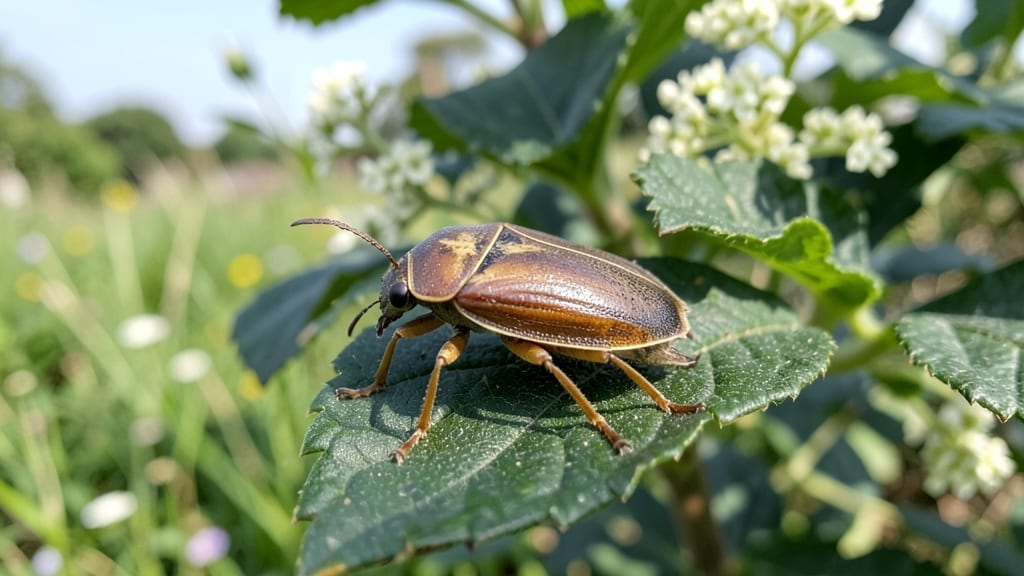
Elderberry tree bugs can turn your harvest into a sad, skeletonized mess—unless you know how to fight back. 🌿 I’ve watched my own bushes go from lush and productive to a chewed-up disaster, but these natural solutions actually work.
The key is identifying the culprits early: sawfly larvae, aphids, or borers each demand a slightly different approach, but all can be managed without harsh chemicals.
Sawfly larvae are the worst offenders—they devour leaves and berries faster than you can say "jams." I’ve seen entire branches stripped bare in under a week. The good news? Handpicking works surprisingly well, especially when you combine it with neem oil sprays.
For aphids, a strong spray of water usually knocks them off, while borers require drilling out those nasty tunnels and sealing the wounds with pruning paste.
Prevention is where the real magic happens. Prune out infested branches in late winter, and plant companion flowers like marigolds nearby—they attract beneficial wasps that hunt pests.
My bushes stayed healthy all summer after I added a few rows of dill and yarrow; the pollinators loved it, and the bugs? Not so much.
This isn’t just about saving your berries—it’s about keeping your tree thriving for years. The first year I used these methods, my harvest doubled, and the berries stayed plump and sweet. No more bitter, bug-riddled disappointment. Let’s get those bushes back in shape!
Root Causes of Elderberry Invaders
Elderberry trees are a garden favorite, but their lush foliage and sweet berries also attract a variety of pests. Understanding why these bugs show up is the first step to protecting your harvest.
Below, we break down the science behind the most common culprits and what makes your elderberry tree such an appealing buffet.
Elderberry trees produce tender, nutrient-dense leaves that are a magnet for sap-sucking insects like aphids, spider mites, and leafhoppers. Here’s why:
- High sugar content: Young leaves contain simple sugars that attract aphids, which feed on plant sap and excrete sticky honeydew—a sign of an infestation.
- Soft texture: Delicate leaves are easy for mites and caterpillars to chew through, making them a prime target for early-season pests.
- Volatile organic compounds (VOCs): Elderberry leaves emit chemical signals that some insects use to locate host plants, like a natural GPS for bugs.
Actionable fix: Monitor new growth in spring—this is when pests strike first. Use a strong stream of water to dislodge aphids or apply neem oil as a preventive barrier.
Once your elderberries ripen, they become a feast for beetles, wasps, and even birds. The science behind this attraction:
- Fermentation signals: As berries soften, they release ethanol and other fermentation byproducts, which mimic the scent of overripe fruit—an irresistible cue for fruit flies and beetles.
- Thin skins: Elderberries have delicate skins that are easy for pests like the Elderberry Borer (a moth larva) to penetrate, turning your harvest into a nesting ground.
- Sugar concentration: Ripe berries have higher sugar levels, making them a high-energy snack for foraging insects and animals.
Actionable fix: Harvest berries promptly once they reach peak ripeness. If left too long, cover clusters with fine mesh netting to block beetles and wasps.
Elderberry trees left unpruned or planted too closely together create the perfect storm for pests. Here’s how overcrowding backfires:
- Reduced airflow: Dense foliage traps moisture, creating humid microclimates that encourage fungal issues (like powdery mildew) and attract sap-sucking insects.
- Competition for resources: Stressed trees produce weaker defenses, making them more vulnerable to borers, scale insects, and spider mites.
- Shaded branches: Low light reduces chlorophyll production, weakening leaves and making them easier targets for chewers like tent caterpillars.
Actionable fix: Prune in late winter or early spring to open the canopy. Remove dead or crossing branches to improve airflow and sunlight penetration.
Elderberry trees thrive in balanced ecosystems, but modern gardening practices can throw that balance off. Common disruptors:
- Pesticide overuse: Broad-spectrum chemicals kill beneficial predators (like ladybugs and lacewings), leaving pests unchecked. For example, aphids may surge after a round of neonicotinoids.
- Monoculture planting: Growing elderberries alone (without companion plants like marigolds or basil) removes natural pest deterrents.
- Lack of pollinators: While elderberries don’t rely on bees for fruit, healthy pollinator activity supports overall tree vigor, making it harder for pests to take hold.
Actionable fix: Introduce pollinator-friendly plants and avoid synthetic pesticides. Instead, use kaolin clay or soapy water sprays for targeted pest control.
By tackling these root causes—nutrient-rich leaves, ripe berries, overcrowding, and ecosystem imbalances—you’ll disrupt the cycle that invites bugs in the first place. The key is prevention, not just reaction.
Natural Ways to Restore Your Elderberry Tree
If your elderberry tree is under siege by pests, don’t despair—there are effective, chemical-free ways to reclaim its health and ensure a bountiful harvest. Below, we’ve mapped out targeted solutions for common culprits, from leaf-munching insects to sap-sucking invaders, along with proactive steps to keep your tree thriving.
Before diving into fixes, confirm which pests are causing trouble. Common elderberry tree bugs include:
- Sawfly larvae (chewing leaves into lace-like skeletons)
- Japanese beetles (skeletonizing foliage and devouring flowers)
- Aphids or spider mites (sticky residue or webbing on leaves)
- Elderberry borers (wilting branches, sawdust-like frass, or oozing sap)
Pro tip: 💡 Inspect leaves, stems, and soil for eggs, frass (insect droppings), or tunnels. Early detection = easier fixes!
Cause: Leaf-chewing larvae or adult beetles defoliating your tree. Solution:
- Handpick larvae 👨🍳 (especially sawfly caterpillars) and drop them into soapy water. Do this in the morning when they’re sluggish.
- Spray with neem oil 🥘 (1 tsp neem oil + 1 tsp mild soap per quart of water). Reapply every 5–7 days until pests vanish. Neem disrupts their life cycle without harming bees.
- Introduce beneficial insects ✨: Ladybugs, lacewings, and parasitic wasps (like Goniozus legneri) hunt sawfly larvae. Buy them online or attract them with native plants like dill or yarrow.
Prevention: 🌡️ Prune infested branches in early spring to remove overwintering eggs. Apply kaolin clay (a natural repellent) to leaves to deter beetles.
Cause: Tiny pests draining sap, causing yellowing leaves, sticky honeydew, or webbing. Solution:
- Blast them off 💦: Use a strong spray of water (from a hose nozzle) to dislodge aphids from undersides of leaves.
- Horticultural oil spray 🔪: Mix 2 tbsp horticultural oil with 1 gallon of water. Spray early in the season (before flowers bloom) to smother mites and aphids.
- Encourage predators 🎯: Release aphid midge larvae or predatory mites (sold at garden centers). Birds and spiders also help—install a birdhouse nearby!
- Prune heavily infested branches ⏰: Remove and destroy affected foliage to starve the colony.
Prevention: 💡 Plant garlic or chives nearby—their scent repels aphids. Avoid over-fertilizing with nitrogen, which attracts sap-suckers.
Cause: These wood-boring larvae tunnel into branches, weakening the tree and causing oozing sap or dieback. Solution:
- Prune infested branches 🔪: Cut back affected limbs 6–12 inches below the visible damage. Sterilize pruners with rubbing alcohol to prevent spreading.
- Apply borer-specific treatments 🥘:
- Beneficial nematodes (like Heterorhabditis bacteriophora): Water the soil with a nematode solution to target larvae.
- Boring oil (dormant season only): Brush undiluted oil into cracks and borer holes to suffocate them.
- Seal entry points 🛡️: Use pruning sealant on large wounds to block future infestations.
Prevention: 🌡️ Keep your tree healthy with regular watering and mulching. Avoid wounding the bark during pruning—borers exploit fresh cuts!
- Mulch properly 🌱: Spread 2–3 inches of organic mulch (like wood chips) around the base to retain moisture and deter pests.
- Water deeply 💧: Elderberry trees need 1–2 inches of water per week. Consistent moisture reduces stress, making them less attractive to pests.
- Rotate natural sprays 🔄: Alternate neem oil, insecticidal soap, and horticultural oil to prevent resistance.
- Monitor regularly 👀: Check your tree every 2 weeks during growing season for early signs of trouble.
Bonus tip: 🎯 Plant companion plants like thyme, rosemary, or marigolds around your elderberry tree—their fragrance confuses pests!
With these targeted strategies, your elderberry tree can bounce back stronger than ever. Pests are just a temporary setback—your tree’s resilience (and your green thumb) will win out!
Frequently asked questions
What are the most destructive bugs for elderberry trees?
Sawfly larvae are the worst offenders—they skeletonize leaves and devour berries in days. Japanese beetles and aphids also cause major damage, while elderberry borers tunnel into branches, weakening the tree over time. Always check for signs like lace-like leaf damage or sticky honeydew.
Can I use neem oil on elderberry trees with berries?
Yes, but only when berries are fully ripe and ready for harvest. Neem oil is safe for bees and beneficial insects, but it can leave a bitter taste if applied too early. Wait until after flowering to avoid affecting pollinators.
How do I know if my tree has borers instead of just regular pests?
Look for sawdust-like frass at branch junctions or oozing sap from small holes. Borers create these tunnels, while surface pests like beetles leave chewed leaves without these signs. Tap branches—hollow sounds indicate severe infestation.
Will pruning help prevent future bug problems?
Prune in late winter to remove dead branches and improve airflow. This reduces humidity where pests thrive and removes overwintering eggs. Always sterilize tools with rubbing alcohol to prevent spreading diseases.
Are there any companion plants that naturally repel bugs?
Yes! Plant marigolds, dill, or yarrow nearby—they attract predatory wasps and beneficial insects that hunt elderberry pests. These plants also improve pollination, making your tree healthier overall.